Briar DIY: forage a full South Asian meal
Aysha Imtiaz spells out how to encapsulate the food traditions of India, Bangladesh and Pakistan and apply them to UK-foraged ingredients. We go through trial and error to chase that elusive, inventive spin so you don’t have to
This month’s “Forage a Full…” challenge is based on South Asian cuisine. Known for decadent feasts passed down from the royal courts of Mughal emperors, explosive flavours and eye-watering spices, South Asian cooking might not be the first thing that comes to mind when you’re faced with sprightly dandelions or wispy wisteria blooms.
Here, Briar’s team spells out how to encapsulate the food traditions of India, Bangladesh and Pakistan and apply them to UK-foraged ingredients. We go through trial and error to chase that elusive, inventive spin so you don’t have to.
Traditionally, local plant knowledge has been pivotal to sustaining robust food systems in the northern areas of India, Bangladesh and Pakistan. While the more arid regions and sprawling megacities (think Bengaluru, Karachi and Dhaka) may rely more on cultivated crops and animal products, the confluence of mountain ranges in the Himalayas is a forager’s paradise… perhaps out of necessity more than demand.
Drawing from rural traditions and the indigenous wisdom of the northern Punjab regions and the Hindu Kush, Karakoram and Himalaya mountains, these rich recipes are popular for staving off colds and celebrating festive occasions with your loved ones.
x
Appetiser: Pakoras
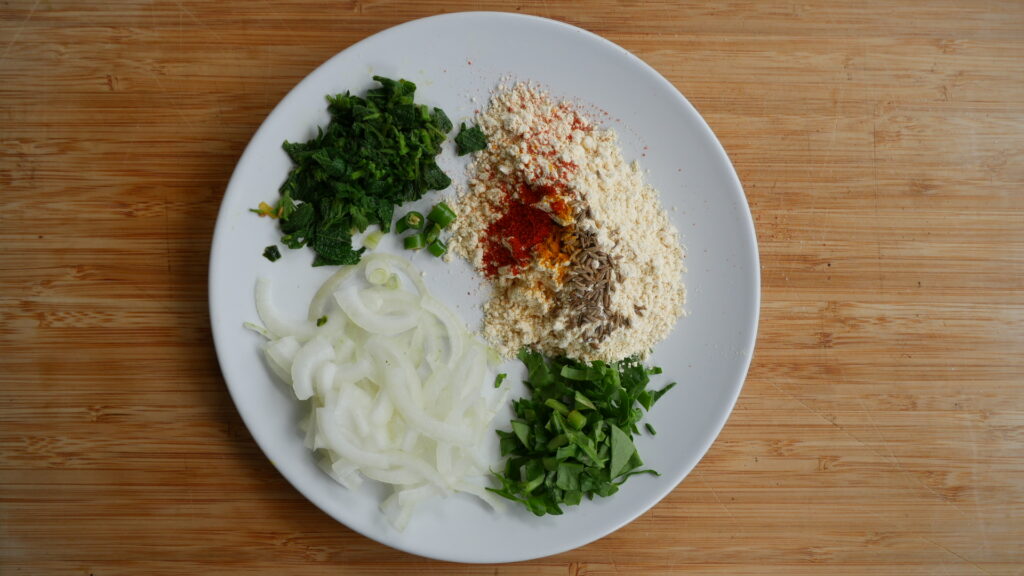
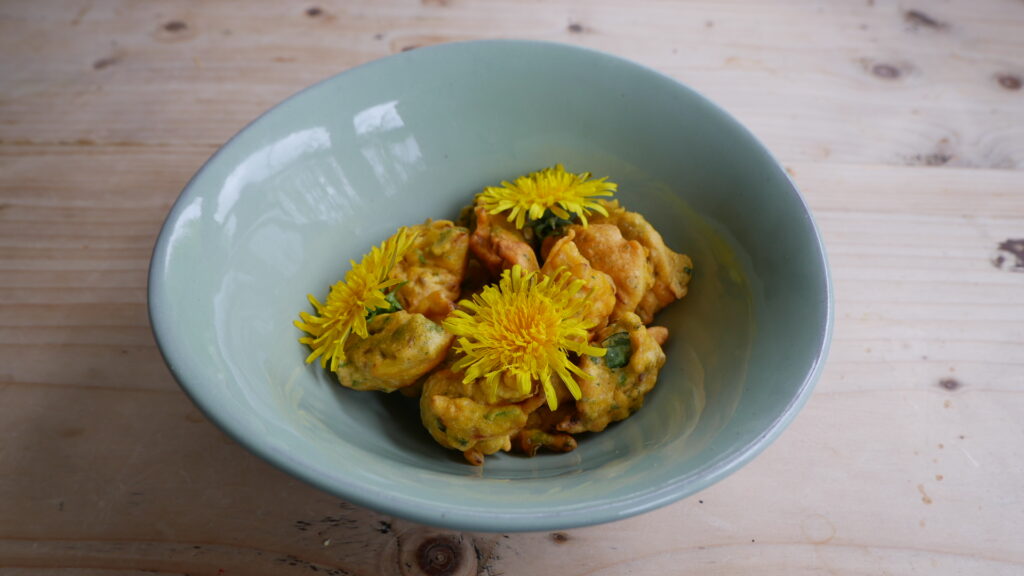
Vegetable fritters such as pakoras and bhajis offer a quick carb hit and energy boost. The base of gram flour and ‘holy trifecta’ of red chili powder, turmeric and salt readily embraces a wide variety of flavours and foraged greens. While spinach and coriander leaves are most commonly used in South Asia, essentially, what you need is any kind of green that can be chopped and mixed into the batter.
While trying our own version of nettle pakoras we found the peppery, rocket like taste of nettle to meld beautifully with the welcoming canvas, while a more citrusy green such as foraged wood sorrel may be too overpowering.
Depending on what time of year you’re making this, try watercress, borage, garlic mustard, dandelion leaves and chickweed. Take care to remove the stem and finely chop the leaves. As our correspondent found, the stems can turn very slimy, very fast.
Take it further: Use your foraged greens for a variety of South Asian fried delicacies, either folded into a mashed potato mixture for samosas or sprinkled over fried garbanzo bean chaat. Just watch out for the ratios and treat it as a garnish rather than the main event, and try to use the younger leaves, as pungent leaves can overwhelm the gram flour base.
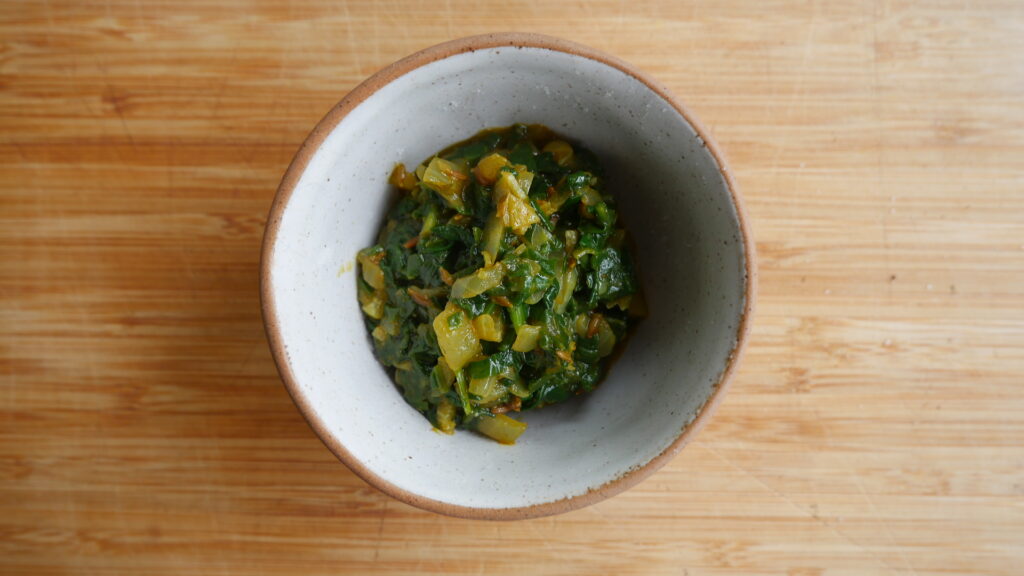
Main: Saag
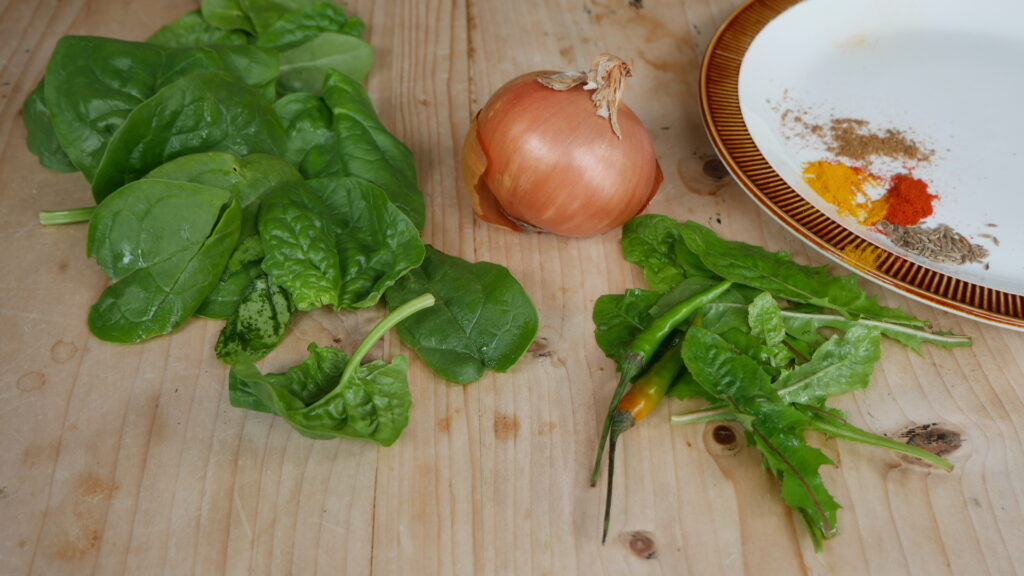
Saag is a term used to describe a sumptuous blend of cooked down greens tempered with mustard oil and garlic. It is a favourite in the winter months due to its inherently warming quality, as South Asian cuisine relies on an ancient system of assigning foods with innate warm or cold qualities. The reason saag works so well for foraged meals is because the greens are endlessly customisable – use spinach on its own, add vegetable tops, throw in foraged greens, toss in chopped broccoli or do all of it, all at the same time. The complexity of flavours, here, rather than overpowering the dish, adds to a multi-layered complexity.
Try dandelion leaves, primrose leaves, sea beet, young shoots of goosegrass, young Hawthorne leaves and even a small handful of boiled nettle. This is a perfect dish for when you have a merry little symphony of foraged greens.
Take it further: Use edible flowers to top the dish and add a delicate sweetness and beautiful pop of color against the verdant green canvas. Calendula, marigold, basil flowers and violets or pansies can elevate your saag, but avoid rose petals, carnations or wisteria as the sweetness may interfere with the deep, earthy notes of the dish.
Dessert: Vermicelli pudding
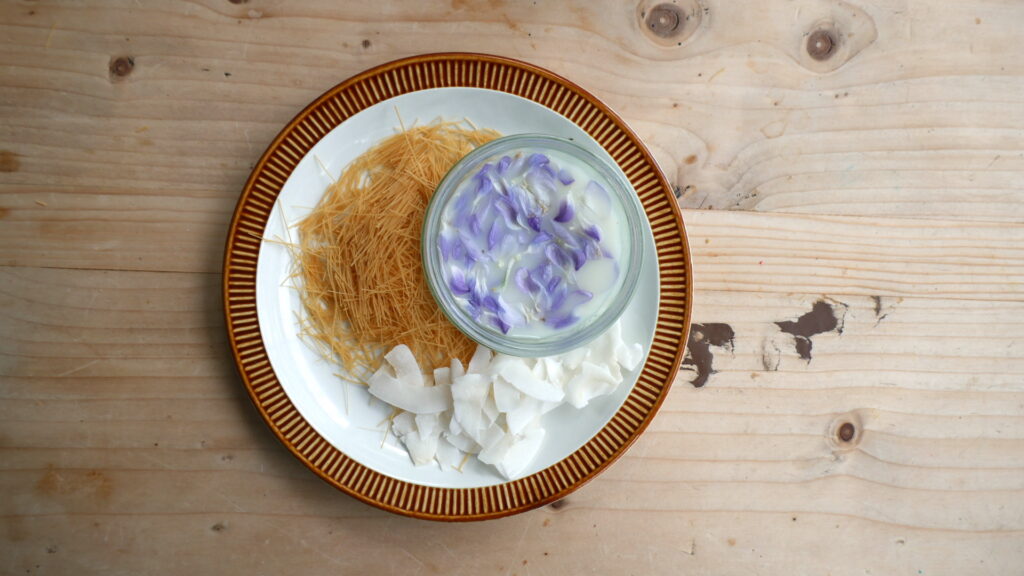
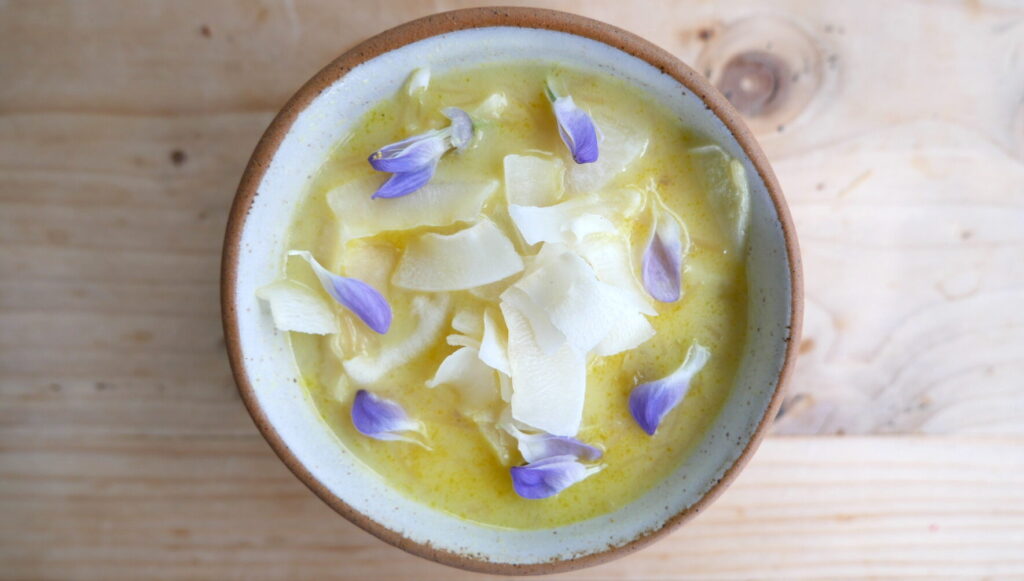
Nothing says togetherness better than this dessert, which is intricately associated with the festival of Eid. Vermicelli cooked in milk until it thickens and garnished with coconut and an assortment of nuts makes for a hearty dessert on its own, but adding foraged flower-infused sweetness can help impart a more summery taste.
Traditionally, vermicelli pudding is topped with expensive garnishes such as edible flattened silver leaf. However, using floral notes can bring this decidedly royal dish down to earth. Steep any sweet flowers you’ve foraged in cream overnight, we recommend using measurements from Briar’s recipe.
Take it further: Instead of making the foraged flowers a small side, it may be worth omitting coconut and dried fruit entirely for a lighter, more cholesterol-friendly version of the dish.
So, there you have it, a beginner’s guide for UK-based foragers to using their plentiful bounty and making South Asian cuisine. With such intricate layering of flavours and elaborate cooking techniques, the cuisine is actually more receptive to foraged ingredients than we had thought. Using local ingredients also helps impart a milder, lighter taste to suit diverse palates.
What’s next – squirrel biryani?