
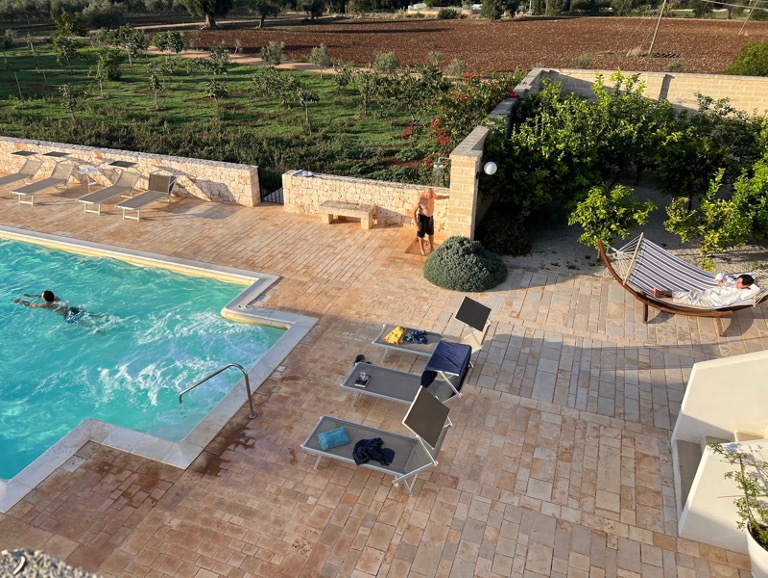
Live La Dolce Vita by finding joy and connection in everyday life
There’s a certain magic in the Italian way of life; how a simple family meal turns into a three-hour affair filled with laughter and storytelling; how an afternoon coffee is never rushed but a moment to pause and catch up; how an aperitivo isn’t just a drink before dinner, but a daily ritual of unwinding with friends as the evening settles in.
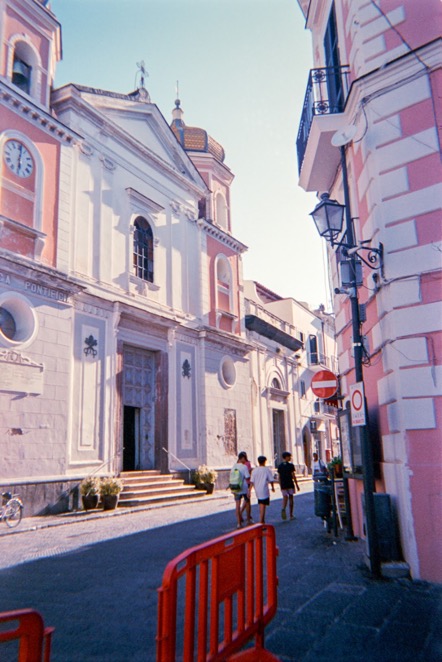
This is La Dolce Vita – ‘the sweet life’. It’s a
philosophy that teaches how to savour the
present, find joy within the small moments and embrace nostalgia and traditions to stay connected to what truly matters.
In the fast-paced world of today, where time moves too quickly, many of us, especially young people, are trying to navigate environments with high pressure. And maybe, just maybe, the Italian way of life holds the key.
However, La Dolce Vita isn’t just a concept to me. It’s something that I grew up with. Being born and having spent much of my life in Italy, I’ve seen firsthand how beauty is found in simplicity. Many associate La Dolce Vita with Fellini’s film – his 1960 masterpiece following a journalist through the glamorous streets of Rome. But it’s so much more than that. It isn’t about excess but rather about appreciating the simple pleasures. Think about all the things you enjoy doing the most, whether that’s curling up with a good book, long country walks with your dog, or eating healthy meals; that is La Dolce Vita, and that’s how you should live.
One of the many reasons La Dolce Vita is so powerful is its deep connection to nostalgia. When I think of La Dolce Vita, I think of the recipes and traditions that have been passed down through generations in my family, like the hand-rolled pasta on a Sunday. Food tells the story of a person’s history, values and traditions. It offers a glimpse into their way of life. The bond my family shares with food is a deep one. We don’t just eat together, we appreciate every step of the process.
Some of my fondest memories revolve around the kitchen where I used to watch my Nonna prepare her famous lasagna, the smell of the slow-cooked ragu quickly filling the rooms of her apartment. The way my grandparents, my parents, my cousins and I gathered around the living room table with no rush to leave and simply to enjoy the food we spent time making. We continue this tradition to the day, even after her passing. We still take our time preparing meals from scratch, using her recipes and passing around the same loved dishes and reminiscing the stories she once told us. We want to treasure this tradition and keep it going for the next generations. It’s not just a meal for us Italians, food is a way to connect with loved ones from our past and celebrate life’s moments.
Having lived in Rome for most of my life, I never really considered how much La Dolce Vita was woven into our lives until I moved away. In cities like London, life moves fast. People rush through meals, drink coffee from paper cups, and rarely stop to enjoy a moment. This is a stark contrast to the slow, intentional rhythm of Rome.
Marco, a 20-year-old university student who also grew up in Rome but now lives in London, felt the same way when he first moved. “People here walk like they’re late for something, even when they’re not,” he told me. “In Rome, we take things slow. We sit for our coffee, we make time for long lunches, and we don’t treat life like a race.”
Max Mariola, an Italian chef known for his passionate and no-fuss approach to cooking on social media, embodies the spirit of La Dolce Vita. His recipes – whether a classic carbonara or a simple bruschetta – celebrate the beauty of quality ingredients and tradition, proving that food is more than sustenance; it’s a connection to history and culture.
As Mariola says, “For me, La Dolce Vita, is waking up early, taking time for a good breakfast, going to the market to choose fresh products, chatting with people. It’s the right rhythm, unhurried but full of passion. Food is the ultimate expression of this philosophy: just a few ingredients, but fresh and right, treated with respect and without too much fuss, to be enjoyed in good company. After all, our grandparents’ Italian cooking reflects it perfectly: tasty dishes made with what we now call local ingredients, homemade with love and at the right pace.”
I usually host weekly dinners, along with a couple of close friends from Rome who also moved here. We plan the menu in our group chat – sometimes it’s something simple like cacio e pepe, other times we go all out, making lasagna from scratch. The cooking itself is an event; it takes hours, filled with music and laughter.
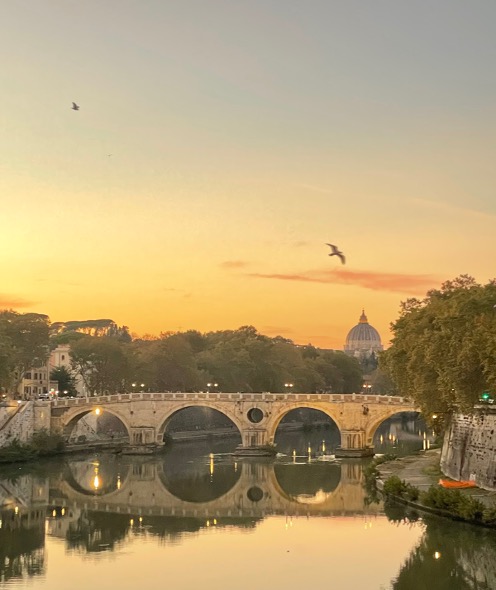
But when we are in Rome, there’s a certain rhythm to a summer night. We’d wander towards the Tiber, where the summer sun hangs until nearly 10pm, casting a golden glow over the city. The riverbanks come alive at night – pop-up bars, music, and the sound of rushing water. We’d grab a cold beer, and find a foosball table.
There was no rush, no pressure – just the simple pleasure of good food, good company, and the city unfolding around us like a scene from a film. It’s a kind of an effortless joy that feels worlds away from a typical London evening, where nights out are often dictated by last-call at the bar or catching the final tube home.
Tucked away in the same quiet corner of Rome, just around the corner from my house, there’s one place that feels like home, called Bar Glorioso. It’s been part of my mornings for as long as I can remember.
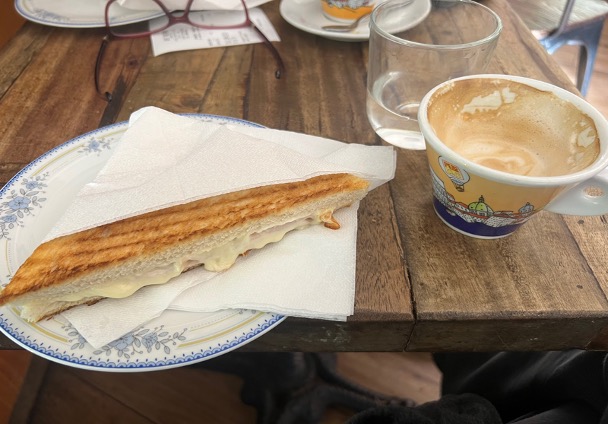
Marco, the owner, has been behind the counter for years, always greeting customers with a knowing nod and a fresh espresso. Mornings here follow the same ritual: a perfectly pulled coffee – bold, smooth, never rushedvpaired with a ham and cheese tramezzino, soft and simple. Throughout high school, this was breakfast almost every morning at the bar near my old school, Yellow Bar. My closest friend group and I meet every morning at 8am to have half an hour before school starts to enjoy our breakfast together. The simplicity of it is what makes it perfect. You sit outside, let the sun warm your face, and sip what is undeniably the best coffee in the world.
“Everyone’s always rushing up north in Italy,” Marco says, “But here in Rome? We take things slow. You sit for your coffee, even if it’s just for five minutes. You walk, not just to get somewhere, but to enjoy the city around you. Life isn’t meant to be a race – it’s meant to be tasted, like a good espresso or a long Sunday lunch.”
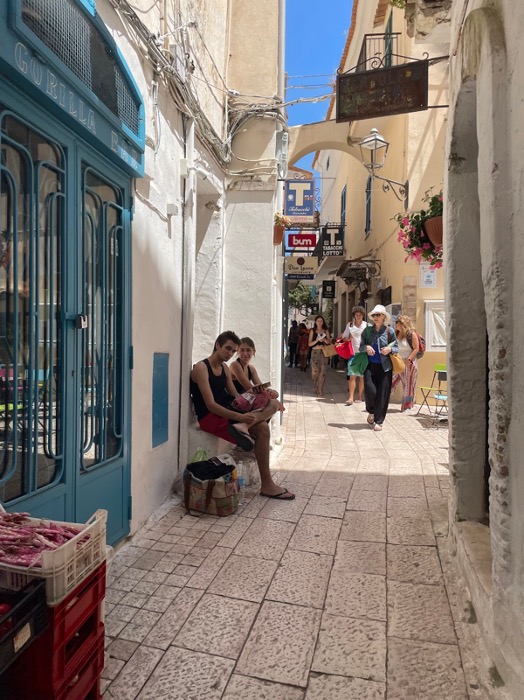
That’s the essence of places like this – the unspoken invitation to sit back and truly enjoy what you’re eating without rushing. There’s no takeaway cup culture here, no drinking coffee on the go.
You don’t have to be in Rome, sipping espresso on a sun-drenched terrace, to embrace La Dolce Vita.
It is, honestly, more of a mindset than the location itself. I think it is essential for everyone to incorporate aspects of LaDolce Vita’s lifestyle into their everyday life. Here are some ways to bring that effortless Italian joy into your life.
Romanticise the Everyday
Instead of rushing through your morning, give yourself 10 extra minutes. Set that alarm a few minutes before your usual. This way, you actually have time to enjoy your coffee, even if it’s just five minutes before work or class. As Italians say, Il Dolce Far Niente is literally: the essence of doing nothing and enjoying it.
Disconnect to Reconnect
La Dolce Vita is about being present, and that’s hard to do when we’re glued to our phones. Try a “digital detox” moment – put your phone away when having coffee, walking, or eating with friends. Not everything has to be documented; sometimes, just try and experience the moment.
Get out and walk more
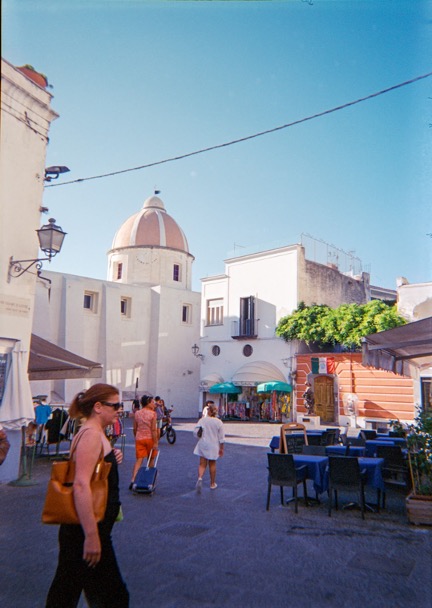
Make time for a passeggiata. Italians have perfected the art of the
passeggiata – a slow, intentional stroll, usually in the evening or after lunch, just for the sake of enjoying the city, not of getting from place A to place B.
Find your own “Bar Glorioso”
We should all have a local cafè where we feel at home. Find your
version of that in your city, it’s special to have a place where you know the staff and can sit back and relax for as long as you’d like. It doesn’t have to be a coffee shop, it can be a park bench, a bookstore, or just someplace that feels like yours.
Say yes more often!
One of the best things about La Dolce Vita is its spontaneity. Instead of overthinking plans, start saying “yes” to more invitations – some of the best moments in life aren’t planned.