
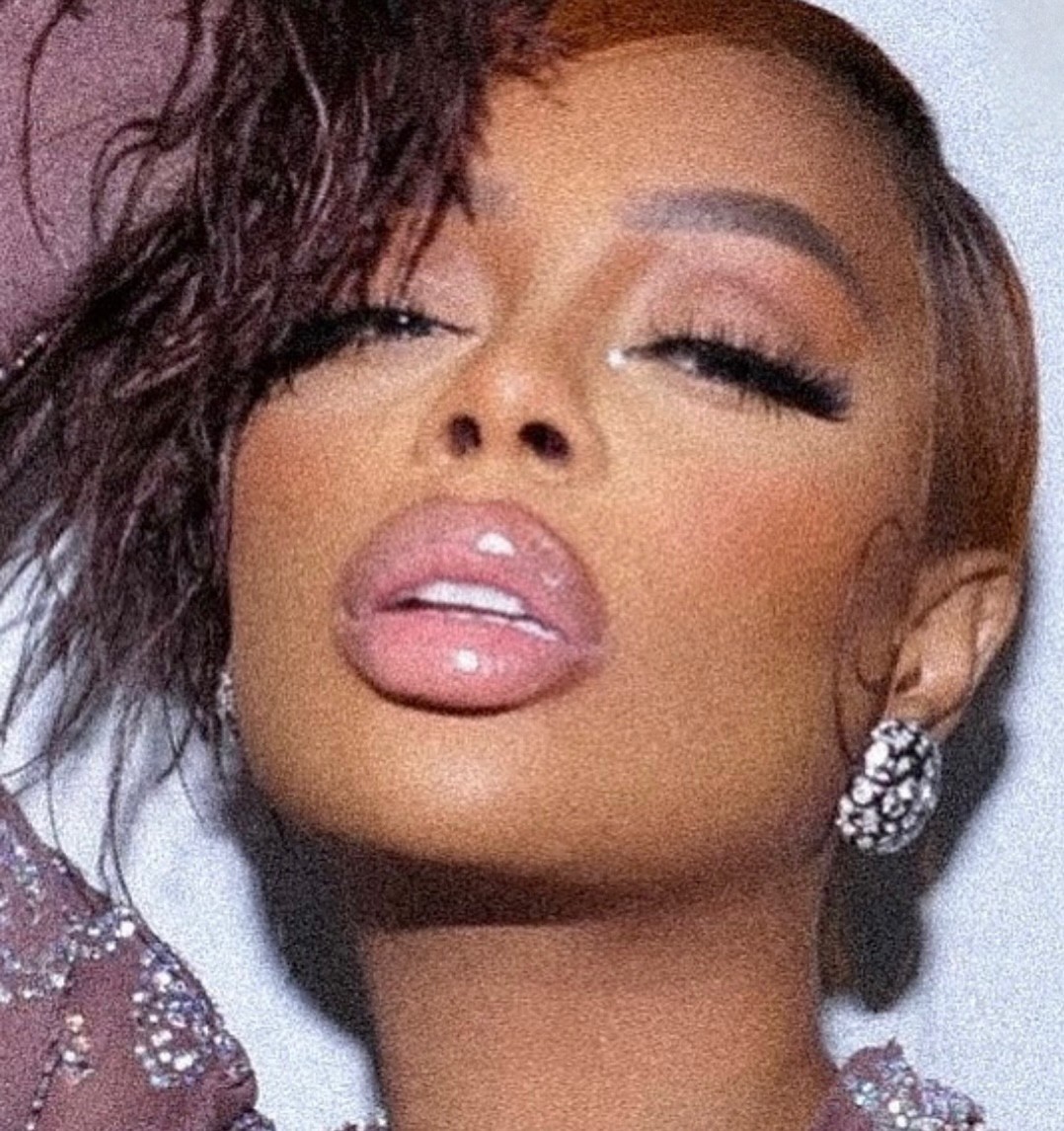
Black beauty trends stay ahead of the curve. Finger waves, dark lip liner, cornrows, laid baby hairs – these styles don’t just come and go. They come back stronger, reworked by new generations.
Nostalgia drives beauty’s evolution, and Black women have always been the originators, setting trends that later get repackaged and reintroduced to the mainstream.
Social media has made it easier than ever to track these cycles. One minute, a style is dismissed as “ghetto” or “outdated,” the next, it’s dominating runways and high-end campaigns. Beauty influencer @pammacb, who has spent years observing the way trends resurface, says this pattern is nothing new.
Pamela is a prominent influencer shaping Black British beauty culture through nostalgia and contemporary style. As the founder of Spice Life Cosmetics, she champions vibrant, richly pigmented makeup that honours Black beauty traditions.
Her wig brand, The Raw Hair Company, provides premium-quality units blending authenticity and versatility, helping women effortlessly recreate iconic hairstyles – from sleek Y2K bobs to voluminous curls – with confidence and ease.
“There’s always this moment where people laugh at certain Black beauty trends, only for them to reappear years later as ‘chic’ or ‘high fashion” she says.
“We’ve seen it with acrylic nails, with wigs, even with the way we do our brows. In an industry that is notorious for excluding us, Black women have had to be their own blueprint.”
The Trends That Keep Coming Back:
Cornrows
Cornrows have deep cultural roots in African heritage, but mainstream media often erases that history. When Kim Kardashian and other celebrities started wearing them, they were suddenly called “boxer braids” and framed as a new trend.
Meanwhile, Black women have been rocking cornrows in every variation for centuries. The modern revival, especially after Beyoncé’s Lemonade, put the focus back on their true origins, with styles like feed-in braids and Fulani braids gaining even more popularity.
@pammacb says: “Cornrows have always been about practicality and style, but they also carry history. Our ancestors braided patterns into their hair to communicate, to protect their strands, and to pass down cultural traditions. When people erase that history and just call them ‘trendy,’ it’s frustrating.”
Dark Lip Liner
The ‘90s lip is back in full force, with dark brown or black lip liner paired with gloss reclaiming its space. Initially popular in Black and Latina communities, this look was often dismissed by mainstream beauty standards as “too bold” or “too dramatic.” Now, beauty brands and influencers have embraced it, solidifying its place as a signature statement.
@pammacb notes: “Dark lip liner was never just about aesthetics – it’s about defining and embracing our features. When beauty standards excluded us, we made our own.”
Baby Hairs
Edge control has turned baby hairs into an art form. What started as a way to keep fine hairs in check has evolved into a high-fashion statement. These days, swooped and sculpted baby hairs are everywhere – on everyday influencers, in editorial shoots, and on the runway.
@pammacb adds: “Laying your edges is like a final touch to your whole look. It’s personal, it’s creative, and for a long time, people laughed at it. Now it’s considered an aesthetic.”
Hoop Earrings
Hoop earrings have always been a staple, but they’ve had their fair share of pushback. Once labelled ‘too ghetto’ by mainstream fashion, they were unfairly stigmatised for years. But for Black women, hoops have always been more than just jewellery – they’re a statement of culture, identity, and pride.
@pammacb recalls: “I remember being told at school that hoops were ‘too much.’ Now, the same people who said that are rocking big gold hoops like it’s brand new. But we’ve BEEN doing this.”
Lace-Front Wigs
Hair has always been a loaded topic for Black women, often subjected to stigma and misrepresentation. For years, the hair industry failed to cater to Black women’s needs, making styling and protection a challenge. Wigs, once seen as a solution, have since transformed into a full-blown fashion statement.
@pammacb says: “Lace fronts were a game changer. We finally had a way to switch up our looks while protecting our hair. It’s wild to see them go from being mocked to being worn by celebs and influencers everywhere.”
Long Acrylic Nails
Long acrylic nails have always been a form of self-expression and creativity for Black women. While often seen as “too much” by mainstream beauty standards, Black women have turned them into an art form with intricate designs, vibrant colours, and dramatic lengths.
@pammacb states: “Long nails are a statement. They tell a story. People used to associate them with being ‘ghetto’ or ‘unprofessional,’ but now they’re everywhere. It’s about time people recognised the artistry behind them.”
Blush Overload
For a long time, heavy blush was considered outdated or “too much,” especially on deeper skin tones. But for Black women, blush has always been about creativity and improvisation. Before mainstream beauty brands made shades for darker skin, many Black women used deep red or berry lipsticks as blush.
@pammacb says: “We made do with what we had, and now it’s a trend. Rich, deep blush on dark skin is so beautiful, and I love seeing it finally get the love it deserves.”
The beauty industry has left Black women to their own devices for years, forcing them to create and perfect trends without mainstream support or recognition. Now, as the industry embraces diversity, it’s crucial to acknowledge that these trends didn’t just appear out of nowhere.
@pammacb concludes: “Black women have been setting the standard in beauty for generations. The industry might finally be paying attention, but we’ve been here, innovating, and making it look effortless.”
The beauty industry is making progress, but it’s important to remember the cultural significance and years of creativity and resilience that led to these trends becoming mainstream.