
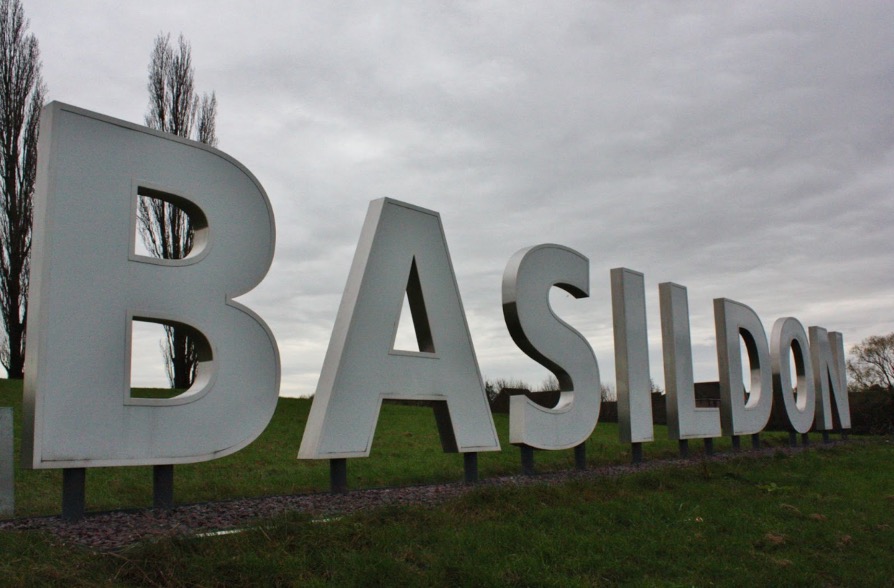
In a eulogy to Basildon, Circa speaks to the people who’ve witnessed the town centre transform, capturing their memories, struggles, and hopes for the future of the high street.
For anyone who has lived near a high street their entire life, they can’t help but notice the dramatic changes taking place and Basildon is no different. Once a bustling hub, full of pubs, clubs, and thriving local businesses, the town centre now feels like a ghost of its former self. Shops stand empty, their shutters permanently down, and those who remain seem to walk a little faster, as though they are avoiding the reality of what has become of the high street.
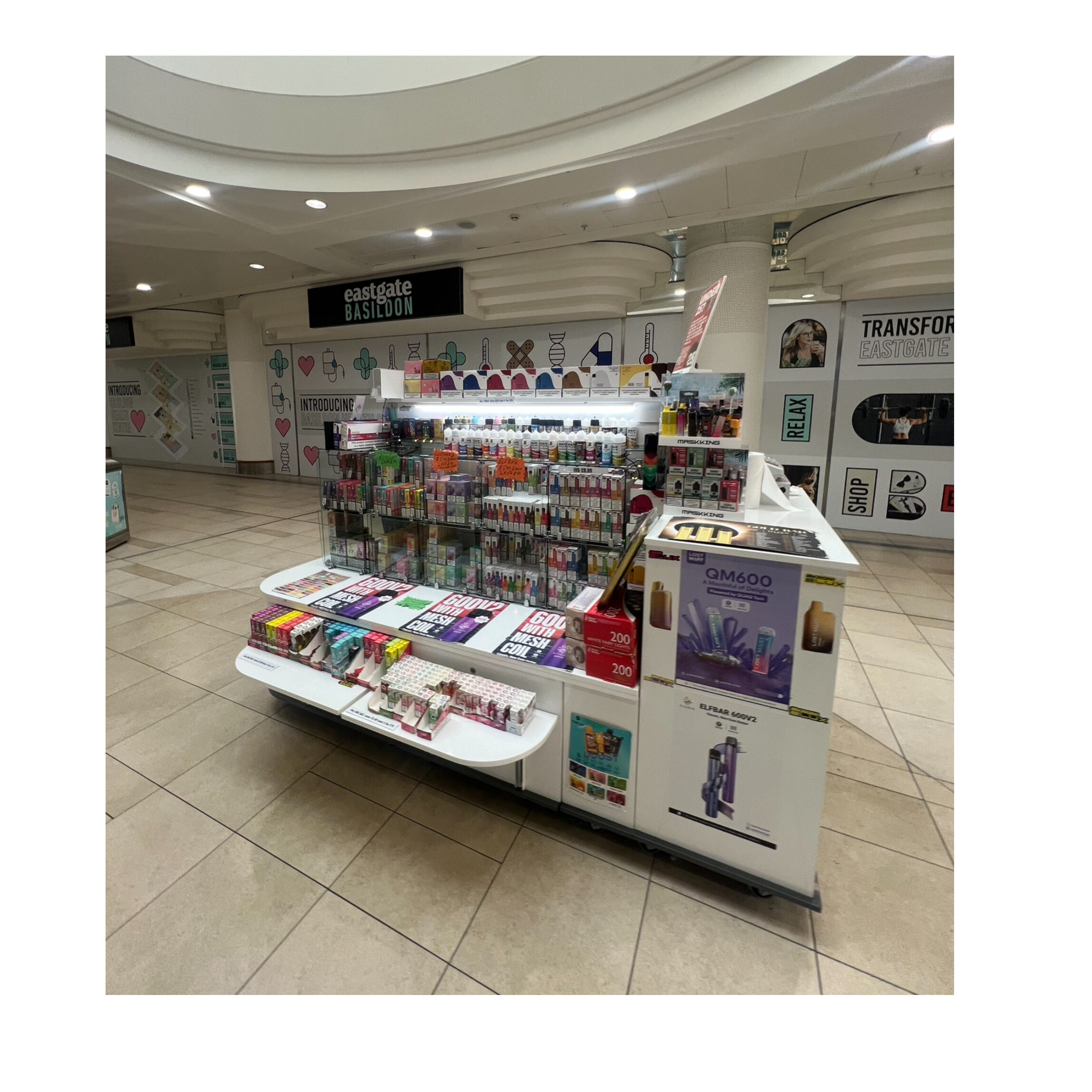
Basildon was meant to be different. In 1949, it was designated as a new town, created to address London’s housing crisis. The 1950s saw the arrival of major factories, including the Ford Motor Company, which built a significant plant in the town. Other industries followed, such as the Basildon Bond paper factory, establishing the town as an industrial hub. By 1958, the town centre had its first shops, including the iconic Woolworths and a bustling Marks & Spencer, which were once the heart of the shopping experience. The high street buzzed with life, offering everything from fresh produce to the latest fashions. But now? The only things thriving are brightly coloured vape shops, offering flavours from tropical fruits to sweet candy, and near-identical variations of discount stores, selling everything from cheap homeware to fast-fashion finds. The town lives in fear of the youth who loiter in the centre, hoodies pulled up, faces half-hidden, kicking balls against walls or smoking vapes – the only thing left to buy. With nothing to do and nowhere to go, these kids gather in groups, a visible symptom of a town with no future for them. So come with circa as we dive into this small towns journey through time.
The Pie Shop: A Ghost of Markets Past.
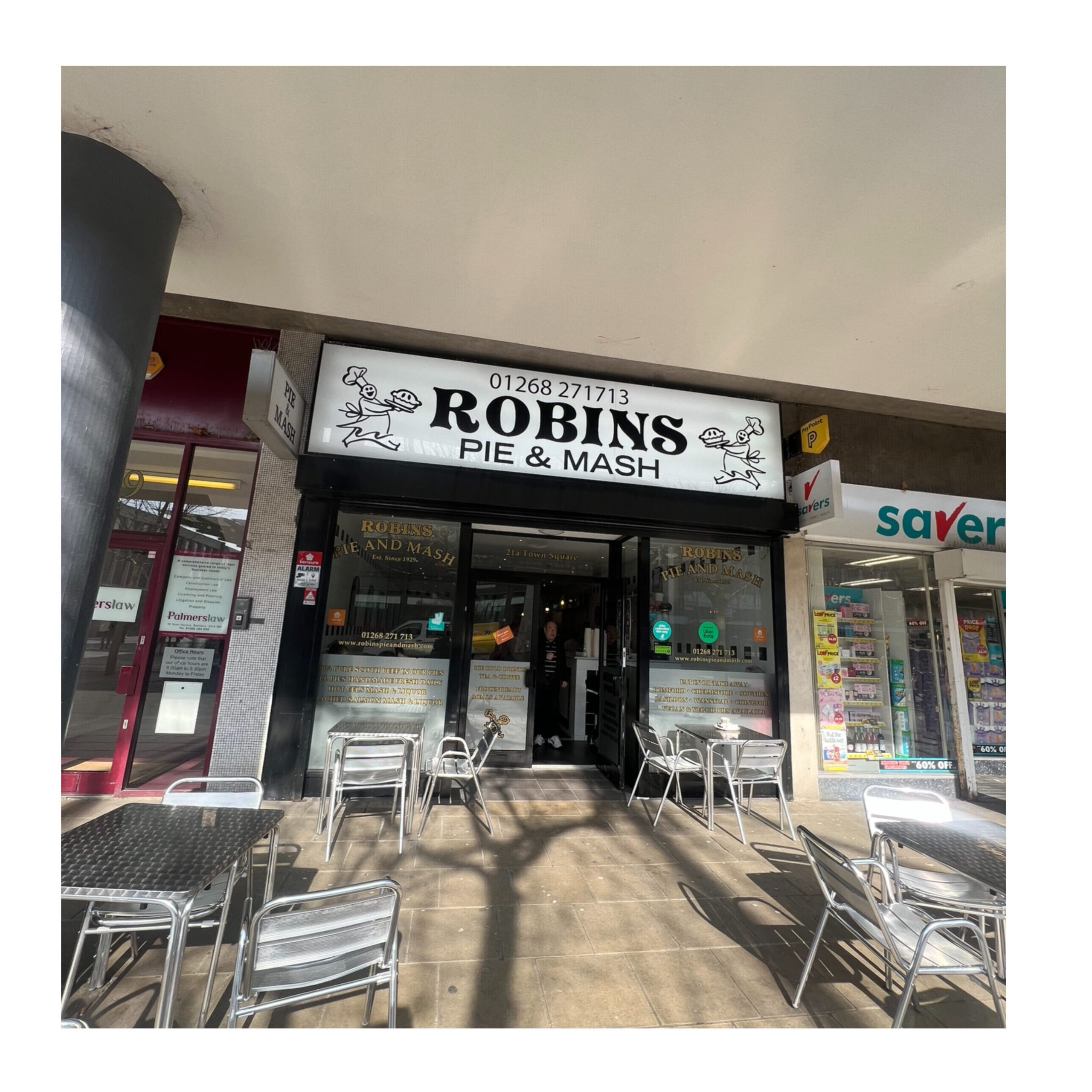
The pie shop, Robins Pie and Mash has stood in Basildon for 30 years, its bold, big name proudly displayed above the door. Inside, the shop is clean and welcoming, with the smell of freshly baked pastries filling the air. Customers sit at the small tables, chatting and enjoying their lunch. On the day of the visit, the shop wasn’t as busy as usual, but the warmth of the community still lingered. Jack, a 50-year-old worker at the shop, greeted with a friendly smile and offered a cup of juice, along with a kind gesture of food on the house. The shop has travelled in its time in the square, once existing in the prominent market its now moved to a smaller store inside the town centre.
“We had to,” he explained. “The market used to be packed,” Jack explains, his tone laced with nostalgia. “You could smell it and hear it from a mile away – the sizzling of the food stalls, the chatter of the vendors. It was an event, something everyone looked forward to. But the council shut it down. The market was closed, and with it, the customers disappeared.”
Once a bustling heart of Basildon, the market is now a shadow of its former self, an empty space with only a few benches left behind. The shops that once surrounded it were forced to close or relocate as the decline set in. Jack reflects, “It wasn’t an overnight change. It’s been a slow decline, year after year.”
As for the council’s promises of regeneration and the new flats being built? Jack shakes his head. “They prioritise housing over quality of life,” he says. “They say 1,000 new homes are coming, but where are the new shops? Where’s the investment in the town? People still need somewhere to shop, but there’s nowhere left.”
The pie shop, now relocated from the market’s dead centre, survives only because of the loyal customers who return each week and the weekend rush that keeps things going.
“I’ve watched three generations walk through that door,” he says. “The grandkids come in with their parents, who came in with their parents. It’s like a family tradition. People don’t just come for the pies, they come because it’s been their spot for years. They’ve brought their kids here, and now they’re bringing their grandkids. That’s why we’re still here. It’s the regulars, you know? When they were kids, their parents brought them in, and now they’re bringing their own kids. You don’t see that kind of loyalty everywhere.” Jack knows the community spirit that once filled the air is fading, leaving behind a town searching for something to hold onto.
The Hairdresser: Surviving by Adapting
Lyn has lived in Basildon her entire life. Her salon has been a fixture in the town since 1949, long before the high street began its decline. She’s spent over 20 years cutting hair here, watching as the town around her slowly faded.
“Everything was here,” she says. “The r pubs, the clubs. You could have a whole night out without even leaving the town centre. Now? Come five o’clock, it’s dead. I started working here when Debenhams was still open. Late-night shopping was a thing. But l then they moved everything to Festival Leisure Park, and the town just… stopped.”
Festival Leisure Park, a leisure complex about a five-minute drive from the town centre, opened in 1997. Unlike the high street, which has struggled with closures and neglect, the park has seen significant investment and development over the years. But for many, it’s only accessible by car, cutting off those who relied on the town centre for entertainment and shopping.
She gestures toward the new flats the council is so proud of. “Where are the people who live there supposed to park? They build and build, but they don’t think about the people actually living here.”
Her frustration is clear. “It’s not just about losing shops. It’s the atmosphere, the energy. I used to know my customers by name. Now, I barely see the same faces twice. People aren’t sticking around. And can you blame them? There’s nothing here for them anymore.”
She waves a hand toward the empty storefronts. “You know what’s sad? You can actually feel it. The town’s lost its soul.”
Even basic maintenance has become an issue. “The council doesn’t care. They waste money on pointless projects instead of helping the businesses that are already here. I’ve had customers tell me they don’t feel safe walking through town anymore. It’s become lifeless.”
The only reason she’s managed to keep the business going is by constantly evolving. “You have to adapt, or you’re finished. People don’t stick around like they used to, and the mall closing so early makes it harder for anyone who works to come in during the week. So, we stay on top of the latest trends, keep up with new techniques, and offer services people can’t just do at home. That’s the only way to survive now.”
The West Ham Football Shop: Holding On for Dear Life
Even niche stores aren’t safe. The West Ham football shop has been a fixture in Basildon for years, surviving on the loyalty of fans. But loyalty only goes so far.
“People still come in,” Mark says. “Football fans always will. But most of them can buy everything online now. You don’t need to come into town for a kit anymore.”
Like so many other businesses, the shop depends on a steady flow of customers. And with fewer shops worth visiting, fewer people bother making the trip. “Customers are everything, but if there’s nothing to buy here, why would anyone come?”
“The kids don’t help either,” he adds. “They hang around outside, scaring off the older customers. You can’t blame them – there’s nothing for them to do. But it puts people off.”
Mark sighs. “Back in the day, you’d see families making a day of it – shopping, grabbing lunch, maybe stopping by the market. Now, it’s just people rushing in and out, trying to get what they need before the place closes.”
He’s clear on who he blames for the downfall of the town centre. “The council acts like they’re fixing things. A new cinema, a Nando’s, a café. That’s all well and good, but it doesn’t change the fact that the high street’s dead. A town needs more than food and films to stay alive.”
What’s Left of the High Street?
But those kids standing outside shop fronts and huddling in empty alleyways – what else are they supposed to do? They have no youth clubs, no arcades, no real spaces to exist. They loiter because there is nowhere else for them to go.
An older resident sighed as they walked past a group of teens and grumbles: “Used to be, they’d all be inside the shopping centre, getting food, looking at clothes, going to the cinema. Now? It’s just vape shops and pound shops. What are they supposed to do?”
Shops shutting their doors at 5pm only adds to the feeling of emptiness. When businesses close early, it sends a message – there’s no reason to stick around. With nothing to occupy them, these young people become an easy target for blame. But they aren’t the cause of Basildon’s decline – they’re just another casualty of it.
For those who grew up here, Basildon’s high street isn’t just a place to shop. It’s a piece of who people are. And yet, walking through it now, it feels like a town in mourning. The shutters are down, the crowds are gone, and the businesses that remain are just trying to survive.
The town that once thrived on community and commerce now seems to exist in limbo, caught between what it was and what it might become. The promise of regeneration feels hollow when all that remains are vape shops and echoes of what once was. But Basildon isn’t just a victim of economic decline – it’s a testament to resilience. The pie shop owner who relocated rather than close, the hairdresser who still welcomes customers despite dwindling foot traffic, and the football shop that stays open for fans – these people are the last beating heart of the high street.
The town may have lost its soul, but it hasn’t lost its people. And as long as there are shopkeepers who refuse to leave, as long as there are voices willing to speak up for Basildon, the high street isn’t dead yet.
Not yet.