

The American dream with a British twist: daydreaming of skyscrapers, wearing trench coats and owning a Pret subscription. Moving to London was a dream for many people as it was a sign of success, however, this feature will discuss the downfalls of moving to London. Not only the health risks but also how society is changing to prioritise health and well-being. Discovering the urban brain is supported by research. To help you understand why London has started going out of trend, I decided to interview students from Greenwich University.
Cailin, 20, has a complicated relationship with her family, finding herself in London and starting a new life. London is the concrete jungle, divided by stock markets and tube stations – as a child, the concept of moving to London was a dream, the measure of success. London has always provided an unreachable goal, the idea that one day, you’ll have the job, the flat, and date night finished with a wander around the city. When asking Cailin, ‘Why London? Why here, from the rural streets of Preston?’ She explains that “Small-town syndrome always made me think my goals would be inside the square box that Preston has, but I wanted more”. A glimpse of hope for every small-town teenager dreaming of a way to leave, however, is the grass really greener on the other side? And is London changing, or is the dream of London changing?
People are heading towards the suburbs and no longer chasing the thrill of the city. London’s bipolar attitude doesn’t let anyone have a break, with a rental crisis, mental health crisis and cost of living crisis. London is quickly departing the minds of dream catchers, as living rural and Sunday dog walks start to take over the minds of today’s dream catchers. A mixed reaction to the city – ‘The urban brain’ predicts that two-thirds of the world’s population will be living in urban areas by 2030. It’s hard to see past the double mirror of London, from the housing crisis in the capital to the cost of living. It makes you wonder, would you still move to the capital knowing all this? “Although it doesn’t look great, or sound great, or at times feel great, this is the city where I fell in love with someone and that is what London means to me now”. Love is a spectacular thing – love created a home for Cailin, not the city she walks in.
The constant stimulation from city living can take a toll not only on your physical but mental health. More and more studies are emerging about the impact of living in urban spaces. If the city never sleeps, what about you? Since COVID, London is on its way to recovery. This is the only time in history that London was just another place, not a tourist hot spot. Cailin had an interesting thought on the aftermath of COVID-19, stating that “Perspective is what COVID gave the city, it allowed business to offer remote working, meaning rural living was achievable”. The tide of corrupt life in London was changing, and the atmosphere was empty. The idea of city living since COVID has left a hole in the market as social media trends highlight the benefits of living rurally, often in contrast to what London has to offer.
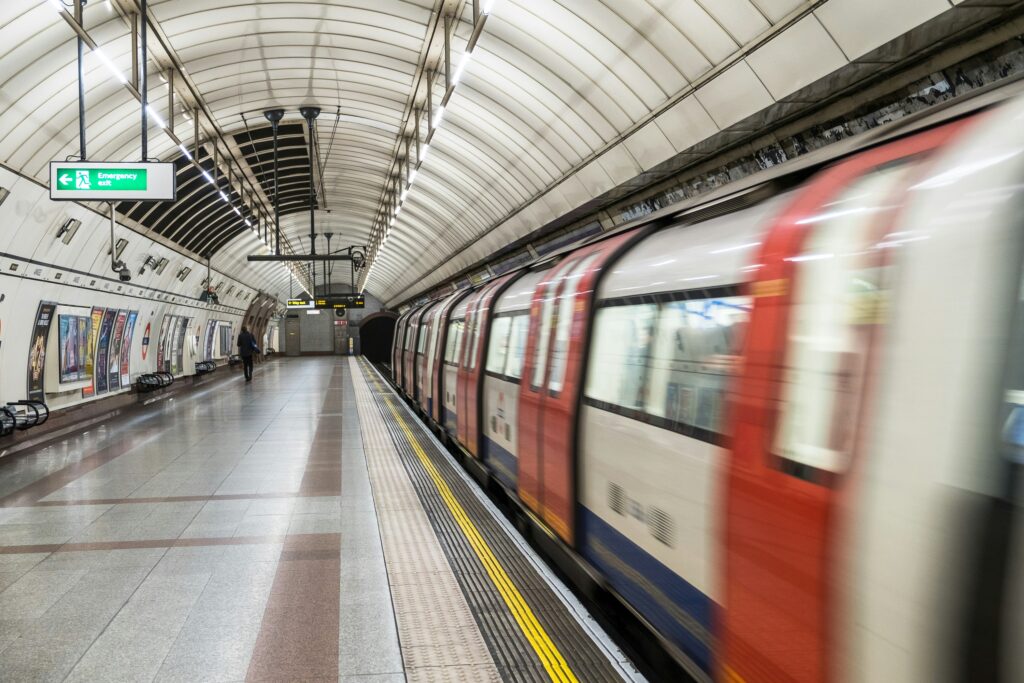
On the other hand, city life has been researched by UKHLS with the data revealing that 35,295 people in the UK were more likely rural residents to engage with frequent travel and are more likely to take opportunities that require more travel into the city. This was also supported by the easy access which London has with buses and trains taking you to any part of the country. A positive student explains that “London’s easy commute and public transport were always a pro when I was looking at university”. London is the hub of business and dreams. This study revealed that people living in the city may have better mental health overall. On the other hand, this study has further explored the impact of living in the city and the toll on your mental health. Compared to those living in the peaceful rural areas of the UK, it was found that 21% were more likely to have anxiety disorders and 39% were more likely to have mood disorders. During the interview, conveying these statistics to Cailin, she says that “there was no shock to the high level, we are a generation of anxious-filled people”. Following this in 2017, a meta-analysis trusted source also found that mental health conditions such as PTSD, Anger management, and generalised anxiety disorder are among the city livers.
The constant simulation of city life takes a toll which is hard to explain – remembering what silence felt like and what it was like for the roads to be empty. The environment you surround yourself in is key to helping anxiety and Cailin explains that “you never understand how much background noise there is, until you are not in the city, it’s like a sigh of relief”. The one phrase everyone is accustomed to is ‘burnout’ which comes with the phrase ‘FOMO’. Fear of missing out on opportunities can lead you to burnout and exhaustion in a way that you only see in the movies. Burnout was described as ‘a stress state of mental and physical exhaustion that can squeeze the joy out of life’, and they weren’t wrong.
As a student, moving to a city that never sleeps, traffic never stops and sirens are your alarm clock, many factors can leave you feeling lost. For the adventurous, London is full of hope whereas, for the romantic small-town person, their view of the city is different. Newly turned adults heading to the big city (moving from a small town) swallow their fear and with 2 feet, jump into all the noise that the city is isolating.

Cailin, a law student who attends the University of Greenwich, spoke about the lesson she learnt when she first moved to the city. “Sometimes you just need to feel the loneliness, to sit in it, because I moved to a city where I knew no one, building different ways to handle my anxiety”. University culture means that change is always around the corner and routine is always harder without your parents’ support. “It’s moving away, and realising the grass isn’t greener on the other side”. Throughout COVID, our generation felt confined to one single room, learning how to navigate life afterwards was hard as a young woman. All the independence “I had ever had was taken away by COVID, so learning to live in a new city was always going to be an anxiety-ridden adventure”.
When I asked Cailin about the city, one thing which stood out was how the city impacted her mental health and sleep. As a university student, the culture is surrounded by not needing sleep. But, as a generation, we enter our self-care era, learn about ourselves and our flaws and not drink to forget the heavy hand in our stomachs. Culture makes us feel like we may be doing things backwards but what if we are only doing what we can with what we have learnt? Culture taught us that the corporate ladder was the only way to success but as a creative career grows for many of our generations, so does self-love. Self-love is choosing yourself.
To end this piece, moving to the city isn’t everything. Choosing yourself instead of just powering through isn’t cowardly but simply what you should do. Cailin said that moving to the city gave her every hope of being successful but “success isn’t just getting a degree, it’s putting your happiness first”.