
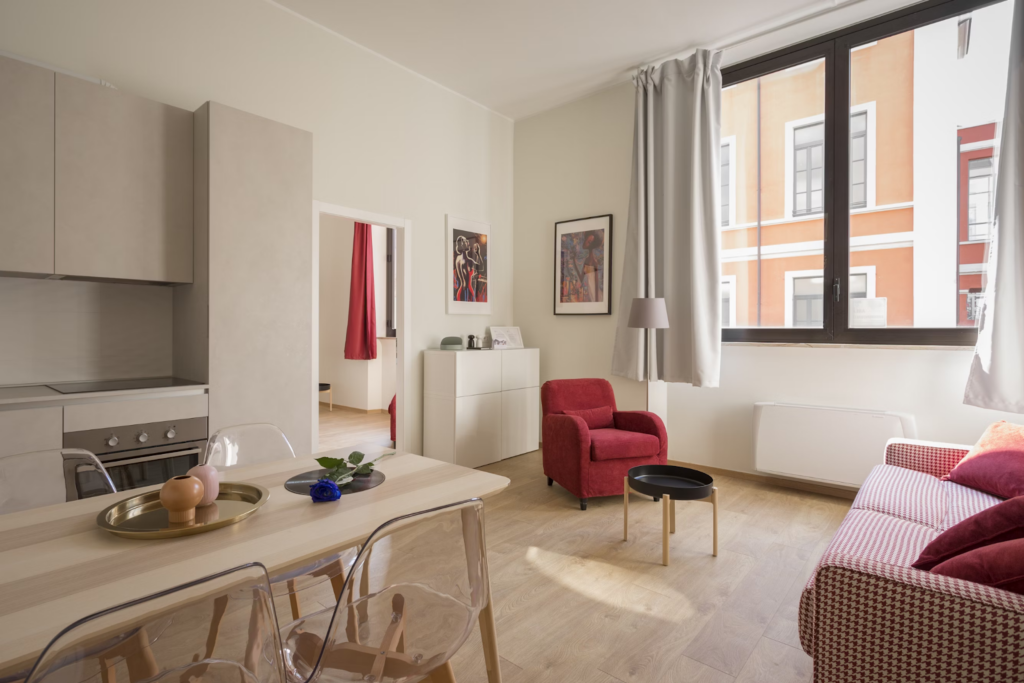
“Less is more” is a famous quote attributed to the renowned architect Ludwig Mies van der Rohe. When applied to everyday life, it conveys the idea that simplicity holds greater charm.
In today’s materially abundant world, people often find their happiness levels unchanged despite their increased possessions. “I have a habit of buying things I don’t need, and while swiping my card may bring me momentary joy, seeing my home cluttered with more and more items fills me with ongoing anxiety,” says Edison Wu, a 31-year-old finance professional with a high income. We should embrace minimalism: a lifestyle of freedom and flexibility. This article offers advice on minimalist living from three different perspectives, helping you find rhythm and balance in life.

1. Minimalist materialism – decluttering
Excess clutter in our lives can drain our energy and disrupt our focus. Items that are left unorganised and constantly catching our attention can be overwhelming. If you resonate with Edison’s anxiety, consider embarking on a decluttering journey at home.
It holds numerous benefits. Firstly, on a mental level, it reduces anxiety, frees us from unnecessary material and mental burdens and lightens our mood. Secondly, it aids in enhancing focus by clearing our surroundings, enabling better concentration and increased efficiency in work and study. Materially, it saves money and space, preventing wasteful spending.
Additionally, decluttering reduces dependence on material possessions, fostering independence and strengthening relationships with family and friends while boosting self-confidence. In essence, decluttering simplifies life and allows us to focus on what truly matters.

2. Minimalist eating – clean, simple and nutrient-rich
At the heart of extreme minimalism in eating lies the principle of simplicity. Instead of complex meal plans and elaborate recipes, adherents focus on whole, unprocessed foods that require minimal preparation. This may involve incorporating more fruits, vegetables, whole grains and lean proteins into one’s diet while minimising consumption of processed foods and sugary beverages.
Portion control is also important. Rather than indulging in oversized meals, practitioners aim to consume moderate portions that satisfy hunger without overloading the body. This may involve mindful eating techniques such as chewing slowly, savouring each bite, and stopping when feeling comfortably full.
Meal planning and preparation are streamlined to maximise efficiency and minimise waste. Batch cooking and meal prepping for the week ahead ensure that healthy options are readily available, reducing the temptation to opt for convenience foods or takeout.
Additionally, mindful eating practices such as having gratitude for the food we consume and paying attention to hunger and fullness cues are encouraged. By fostering a deeper connection with our food and eating habits, extreme minimalism in eating promotes a more balanced and sustainable approach to nutrition.

3. Minimalist time management – establishing priorities for to-do lists
Extreme minimalism in time management involves prioritising essential tasks while eliminating non-essential distractions. One concrete practice is adopting the ‘one-task-at-a-time’ approach. Instead of multitasking, which often leads to decreased productivity and increased stress, focus on completing one task thoroughly before moving on to the next as this allows for a deeper level of engagement.
Another key aspect of this is ruthless prioritisation. Start by identifying your most important goals and tasks and allocate your time accordingly. This may involve saying no to non-essential commitments and learning to delegate tasks that don’t align with your priorities. By streamlining your schedule in this way, you create space for the activities and relationships that truly matter.
Additionally, embrace the power of time blocking. This technique involves dividing your day into distinct blocks of time dedicated to specific activities or types of tasks. By setting aside designated periods for focused work, relaxation and socialising, you can ensure that your time is used purposefully and efficiently.
Finally, don’t underestimate the value of downtime. Building regular breaks into your schedule not only prevents burnout but also allows for moments of reflection and rejuvenation. Whether it’s taking a short walk, practising mindfulness or simply enjoying a cup of tea, these pauses can enhance overall productivity and well-being.