
Author: Hafsa Malik

  • Men & the red pill effect: the growing hatred of women 

    Men & the red pill effect: the growing hatred of women 

    In November, Violence against women increased by 40%, With police calling it a national emergency. Photograph: Pablo Merchan Montes, Unsplash

    In the digital era, radicalisation no longer occurs in secret but rather in the bright light of a smartphone screen. 

    A loosely defined ideology that purports to reveal hidden facts about gender dynamics, the so-called “Red Pill” movement has quickly expanded into a network of online forums that propagate misogyny, anti-feminist language, and a pervasive sense of male victimhood. 

    Thousands of young men between 16 and 25 are drawn to what started as a subculture on specialised forums and has now spread to various social media platforms. 

    A 2024 study published in Men & Masculinities found that online male supremacist movements have seen exponential growth in the past five years, with platforms like YouTube and Reddit acting as primary hubs for recruitment. 

    Ahmed Zainoury, 23, recalls how he was influenced: “I was 18, just out of school, and struggling with self-confidence.

    He adds, “I wasn’t getting much attention from women, and I felt like I had no control over my life.”

    The Red Pill’s allure stems from emotional susceptibility. Young men are attracted to influencers who provide easy solutions to difficult social problems because they are struggling with feelings of rejection, purposelessness, and dissatisfaction with modern relationships. 

    The movement portrays feminism and progressive social change as an assault on manhood, taking advantage of a deep-seated societal fear of changing gender norms.

    “I started believing that feminism was the reason I was struggling, women had it easier. It became this cycle where every video made me angrier and more convinced that I was a victim”, Zainoury states. 

    As he scrolled on platforms such as Instagram and TikTok, he came across videos that claimed to explain why dating in the present day was “rigged against men.” 

    He found resonance in the forceful, absolute language used by influencers such as Andrew Tate when discussing masculinity and achievement. “They gave me the impression that my difficulties had a purpose and that I wasn’t alone.”

    Andrew Tate is the most known public figure to have capitalised on this system. 

    As of July 2024, Tate had amassed approximately 9.5 million followers on X (formerly Twitter). 

    Despite being banned from platforms like TikTok, his content circulates widely through numerous fan accounts. For instance, as of August 2022, fan pages such as “tateprof” and “atate_clips_” have over 180,000 followers, contributing to the widespread dissemination of his views.

    The Red Pill movement frequently worsens anxiety, despair, and social isolation in its adherents despite its claims of self-improvement. 

    Men who consume a lot of Red Pill content have higher degrees of sadness, emotional repression, and mistrust of women than their counterparts. 

    Twenty-year-old Josh Williamson acknowledges that he was initially lured to the movement because he was frustrated with dating but then understood it was a vicious circle of negativity, he states: 

    “They tell you that women are the enemy.”

    Josh says he was initially drawn to the Red Pill philosophy as he felt left out of the dating scene. “I was told all the time that women only want wealthy, attractive men, and you’re worthless if you don’t fit that description.” 

    He remembers spending hours devouring content from Red Pill influencers who portrayed dating as a contest in which guys were either “winners” or “losers.”

    ‘The videos I saw all had one thing in common, they all were propagating resentment towards women rather than self-improvement”.

    Persuaded that all women were part of a “rigged system” against men, Josh started cutting them off. “I saw that my perspective on women had changed. I began to view them as enemies rather than as unique people.

    The turning point for Josh came when he realised how the ideology was affecting his mental health. “I was miserable. My self-worth was entirely based on what these guys were telling me. I started pushing people away, isolating myself. Even my guy friends noticed the change and told me I was becoming someone they didn’t recognise.”

    Red Pill radicalism is greatly influenced by social media algorithms. Because TikTok and YouTube encourage interaction, anything that incites anger whether through controversial interpretations of feminism, dating, or gender roles gets more exposure. 

    Beyond personal beliefs, the red pill movement has far-reaching effects. Women are particularly affected by these ideals in the real world.

    University student Hajra Chaudhary, 21, explains how Red Pill rhetoric has impacted her dating experiences: “Dating has become a challenging task. You can’t tell if the man you’re speaking with secretly believes that women are less valuable because of what he’s seen online. 

    She explains that there is now an undercurrent of mistrust in interactions that used to feel regular. You now question if a guy is sincere when he opens to you or if he is just trying to test you against some Red Pill idea. It wears you out.

    She fears that these views will have long-term consequences. How will partnerships fare in the future if young men are being raised with this mindset? That is frightening.
  • The normalisation of gore: are we becoming emotionally numb?

    The normalisation of gore: are we becoming emotionally numb?

    Created to facilitate communication and information, social media platforms have transformed into venues for the uncensored broadcasting of violent and horrific occurrences. Photograph: Rami Al-Zayat, Unsplash

    You’re browsing Instagram amidst a ton of memes and news updates, and an unvarnished, unfiltered, and completely inevitable video of terrible violence emerges. 

    Before continuing, your thumb pauses, maybe for a moment. The important question is whether we have grown emotionally desensitised in a society where horrifying content is just another piece of media in an infinite stream.

    Various platforms including Instagram and X (formally known as Twitter), have made it easier to obtain startling and graphic content, in contrast to traditional news media, which adheres to ethical editorial standards.

    In February 2025 Meta, the parent company of Instagram, Facebook and WhatsApp faced widespread criticism for a flood of violent content overwhelming Instagram’s algorithm.

    Users reported via a forum seeing harrowing footage of war zones, crime scenes, and dead bodies in their feeds, forcing the company to issue a public apology. 

    This follows controversial changes in Meta’s content moderation policies, where posts that were traditionally fact-checked are now subjected to “community notes,” allowing users to determine whether the content is deemed graphic.

    A report states that less than 1% of content posted with themes of suicide meta took action came from users via community notes. 

    This dramatically reduces censorship and safeguarding on Meta’s respective platforms, underscoring an uncomfortable truth: social media platforms are failing to protect users from psychological harm.

    Second-year sociology student at Kings College, Sara Khan remembers the first time she saw a very violent video on her timeline. 

    “I was just scrolling through TikTok, and suddenly a bombing footage caught my attention, what I was going to witness had no warning and no way to be ready for it,” she recalls. 

    Khan states, “Despite being appalled, I continued to scroll.” 

    For Sara, the normalisation of such content has created a disturbing paradox. “I don’t think we, as a generation, are choosing to be indifferent. But when you see this level of horror so often, your brain adapts. It’s like a defence mechanism.”

    Empirical studies support the psychological effects of recurrent exposure to violent media, raising serious issues with empathy loss and emotional desensitisation.

    A study by the National Library Of Medicine, Testing functional magnetic resonance imaging (fMRI) revealed that short-term exposure to violent media led to diminished activation in the right lateral orbitofrontal cortex (ltOFC), a brain region associated with behaviour regulation. 

    This attenuation was not observed with equally arousing but non-violent media. Notably, individuals exhibiting reduced ltOFC responses also reported higher tendencies toward reactive aggression. This suggests that even brief exposure to violent content can impair neural mechanisms responsible for controlling aggressive behaviours.

    The study further illustrated how repeated exposure to media violence can lead to short-term desensitisation, characterised by decreased sympathy for victims and increased enjoyment of violent content. 

    Participants who watched nine violent movie scenes reported progressively lower sympathy for victims and greater enjoyment as exposure continued. This pattern was not observed with non-violent, comedic scenes, underscoring a specific desensitisation effect linked to violent media.

    Ella Fernandez, a nursing student at Anglia Ruskin University, (ARU), has seen this play out in healthcare settings. 

    “When you work in a hospital, you see first-hand the real-life consequences of violence, gunshot wounds, domestic abuse injuries, trauma victims. 

    “People start to see victims as something distant, rather than human beings who need help,” She explains.

    The question of responsibility inevitably falls on social media companies, who often prioritise engagement over ethics. 

    Despite implementing content warnings and reporting mechanisms, these platforms rely on algorithms that reward shocking and sensational material.

    A 2023 study published in Nature Human Behaviour by Amit Goldenberg and Robb Willer found that emotionally charged content, including morally extreme and outrage-inducing posts, tends to receive significantly higher engagement on social media.

    “If films with extreme violence have age restrictions, why can a 14-year-old scroll through footage of real-life executions without any barriers?” asks Ella. 

    “The difference is that one is fictional, and the other is real and yet, we regulate the former more strictly than the latter.”

    Widespread desensitisation’s wider effects on society are arguably its most worrisome feature.

    Sara, reflecting on her own experiences, adds, “I see footage of wars, police brutality, mass shootings—things that should make me feel something.”

    She adds “I just feel tired. And I hate that I’m desensitised to human suffering”. 

    In a digital world where violent content circulates freely, the burden of protection often falls on individuals. Experts advise practical steps to limit exposure: muting triggering words on platforms like Twitter, disabling auto play to avoid distressing videos, and taking regular breaks to preserve emotional well-being.  

    But individual responsibility can only go so far. Schools must equip young people with the tools to navigate online spaces without becoming desensitised.  

    “We talk about mental health and anxiety, but not the trauma social media inflicts,” says Sara. “That needs to change.”

  • Shredded and dreaded: the hidden toll of steroids and gym culture on men

    Shredded and dreaded: the hidden toll of steroids and gym culture on men

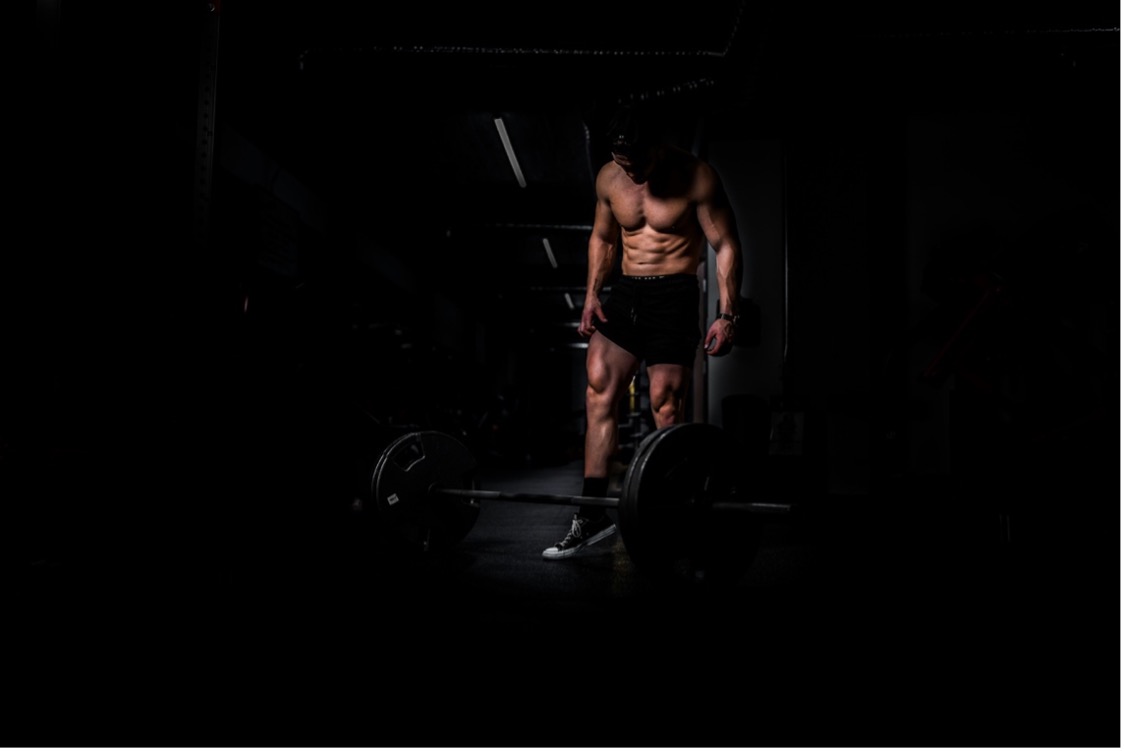
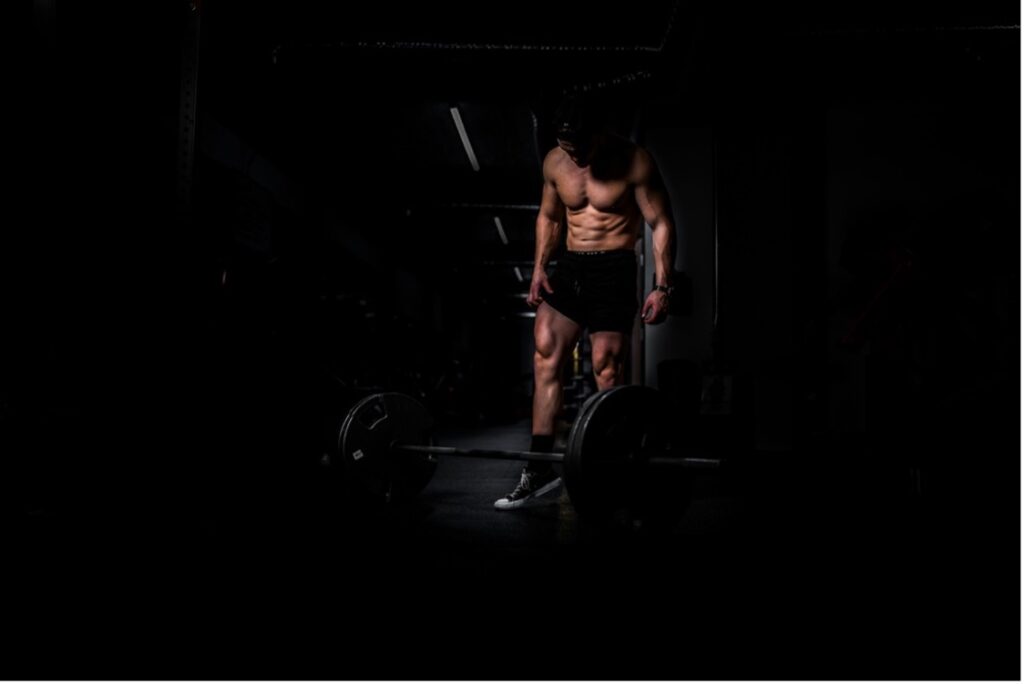
    More and more men are falling victim to eating disorders such as muscle dysmorphia and bigorexia, Photograph: Anastase Maragos, Unsplash

    Social media has intensified the pressure on men to conform to a particular body image, with the aspiration of building muscle and achieving a chiselled physique becoming more extreme than ever. 

    In the age of muscle-bound superheroes and Instagram influencers, platforms have created an ideal that many men feel they should strive for. This constant exposure to seemingly perfect bodies has contributed to an increasingly unrealistic standard for the “athletic” male form, fuelling the desire to meet these often-unattainable expectations.

    The reality behind these gym transformations is often hidden beneath layers of steroids, mental health struggles, and a relentless drive for perfection.

    Many individuals have turned the pursuit of the “ideal” body into an obsession that consumes them physically and emotionally. This constant drive often leads to extreme dieting, overexercising, and unhealthy weight loss methods, which take a serious toll on the body. Emotionally, it fosters feelings of inadequacy, anxiety, and self-criticism. 

    What’s more, this struggle is often hidden from view, as people conceal their physical and emotional battles, making it even harder to seek help or support.

    Although gym culture demands are not new, they have escalated to previously unheard-of proportions. Self-described fitness experts produce a lot of content on social media sites like YouTube and Instagram. 

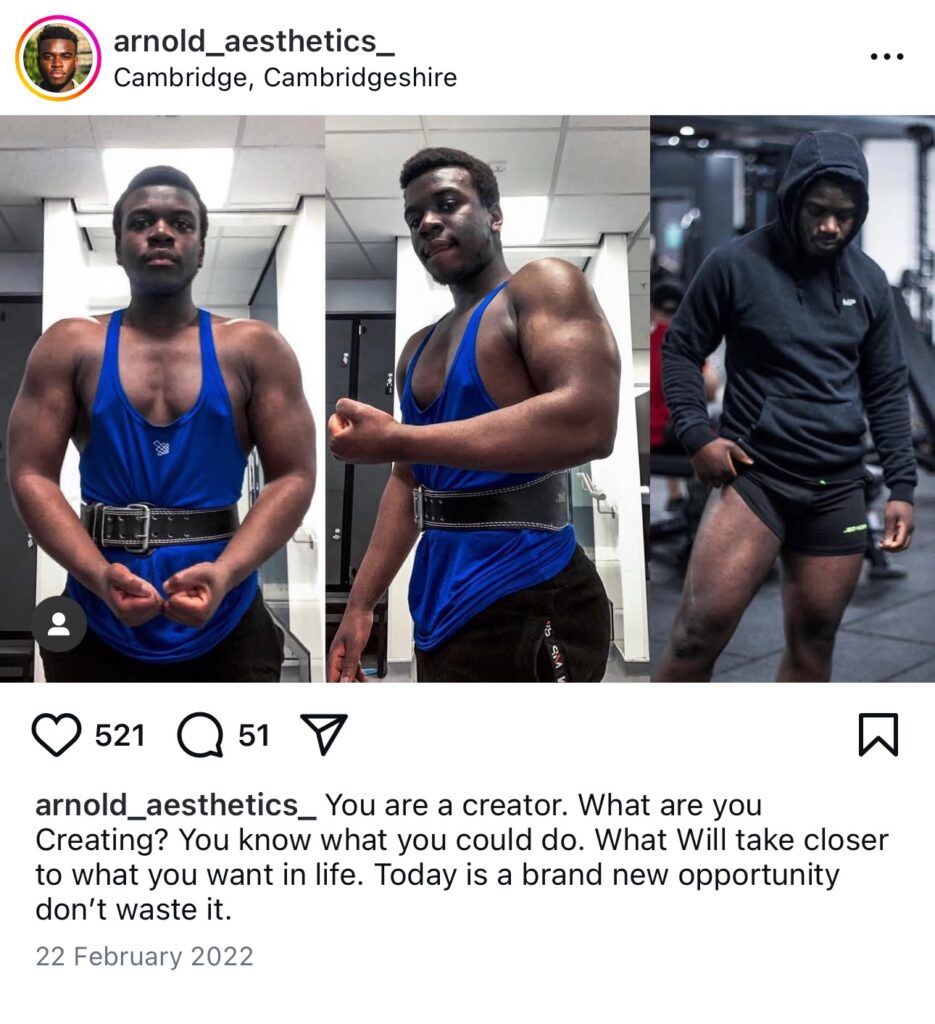
    For instance, Arnold, known as @ArnoldAesthetics on various social media platforms, has spent years perfecting his body. 

    He shares his workouts and meal plans via posts and stories, Arnold’s journey to achieve his muscular build is not without complications. 

    Photo: @Arnold_aesthetics_ via Instagram 

    Arnold states, “There’s this ongoing drive to look bigger, stronger, and more ripped than the next guy.”

    Arnold’s Instagram account serves as a testament to the pressures placed on men to showcase their bodies in the best light. Every post, every image, is meticulously curated to display a body that is both strong and aesthetically pleasing traits that are rewarded in today’s social media ecosystem. But what happens when that quest for the perfect body becomes a never-ending race?

    “The more I was validated by the comments and likes, the more it pushed me further into this need for a bigger body.” He explains.

    Pressures on men, particularly online figures to present their bodies in the best possible light are demonstrated through Arnold as Every image and post are carefully chosen to showcase a figure which meets societal beauty standards as attractive and powerful. 

    He sees this comparison and self-criticism as a component of a greater psychological conflict. Arnold claims that despite his toned body, he frequently feels “too small” or “not enough.” 

    Regardless of their muscle mass, many men, like Arnold, suffer from a chronic feeling of dissatisfaction believing they are never lean or muscular enough.

    This is defined as Muscle Dysmorphia, a type of body dysmorphic disorder that is frequently linked to eating disorders.

    It is reported that over 10% of men who go to the gym suffer from muscle dysmorphia.

    Often referred to as “bigorexia,” muscle dysmorphia is a disorder marked by an obsession with not being slender or muscular enough. 

    The condition primarily affects young males and has a big impact on their gym-related activities. Those who suffer from muscle dysmorphia frequently lift large weights, follow rigorous diets, and use performance-enhancing drugs like anabolic steroids to have the body they want. 

    According to a study published in the American Journal Of Psychiatry examining muscle dysmorphia within male weightlifters, participants with muscle dysmorphia, 50% (12 out of 24 participants) reported using anabolic steroids, compared to 13.3% (4 out of 30) in the control group.

    A lot of young men’s everyday activities in gyms have been influenced by this pathological desire for muscularity. 

    Sam Woolford, who is currently studying a Bsc in Sports Science at Anglia Ruskin University in Cambridge shares his experiences with using drugs to enhance his physique. 

    Sam originally saw the gym as a place to increase his strength and well-being. He was lured to exercise to feel better about himself, as are many young men. 

    He worked closely with clients to help them reach their fitness objectives, becoming a personal trainer when he was just 20 years old. But as time went on, his attitude towards the gym started to change.

     “You see influencers online who are shredded all year round, and it makes you think that’s normal.”

    Despite his commitment to diet and exercise, he found it difficult to get the size and definition he saw online. 

    After years of training and trying to grow muscle, he then started to divulge into anabolic steroids.  

    He explains, “I heard from a couple of guys I knew at my gym who were using them how much of a difference it made and how big their physiques got almost overnight.”

    In the beginning, the results were exactly what he had hoped for as his strength surged, muscle mass quickly expanded, and he got more compliments than ever before. However, the drawbacks soon became evident.

    “My body just started falling apart, my heart would start beating extremely fast and I couldn’t control my temper”. 

    The use of performance-enhancing drugs (PEDs) has been prevalent for decades, long before the rise of social media and influencers. However, their popularity has surged again in recent years, largely due to the influence of social media platforms. 

    As fitness culture has become a central focus of Instagram, TikTok, and other social media sites, the pressure to conform to the “perfect” body image has intensified. With influencers and celebrities showcasing their muscular physiques, the pursuit of an unattainable ideal has fuelled a desire for quick and extreme results. The instant gratification offered by PEDs, along with the constant validation seen through likes, comments, and followers, has made them even more appealing to those looking to gain an edge in the race for perfection. 

    Social media, in many ways, has normalised these shortcuts, making PED use more accessible and desirable than ever before.

    “I had customers with severe health issues including acne and high blood pressure”.

    Samera Malik, a herbalist who previously worked at health and wellness retailers like GNC and managed stores at Holland & Barrett in the 2000s, has witnessed the fallout of steroid use first-hand. 

    Many of her customers, including bodybuilding competitors and athletes, sought her advice on steroid usage, often asking about the side effects and what could be done to reverse them. 

    “Steroids might provide fast results, but they take a serious toll on the body,” she says. “I’ve had customers come into the store suffering from severe acne, hormonal imbalances, and even heart palpitations—many of whom had been using steroids without fully understanding the long-term consequences.” 

    Malik explains that prolonged steroid use can lead to liver damage, high blood pressure, and a higher risk of mental health conditions such as anxiety and depression. She frequently served young men looking for supplements to manage these side effects.

    “I had customers searching for liver detox supplements, testosterone boosters, and anxiety relief,” she says. “But what they needed was to stop using steroids in the first place.”

    Despite growing awareness of the dangers of steroid use, the pressure to attain a certain physique remains deeply embedded in fitness culture. 

    As the industry continues to glorify unrealistic body standards, young men are left navigating a landscape where shortcuts seem more appealing than slow, natural progress.

    “The fitness industry needs to do more to promote realistic goals,” says Sam. “It’s not just about looking good, it’s about feeling good, too.”

  • Degrees of debt: how rising costs are impacting students 

    Degrees of debt: how rising costs are impacting students 

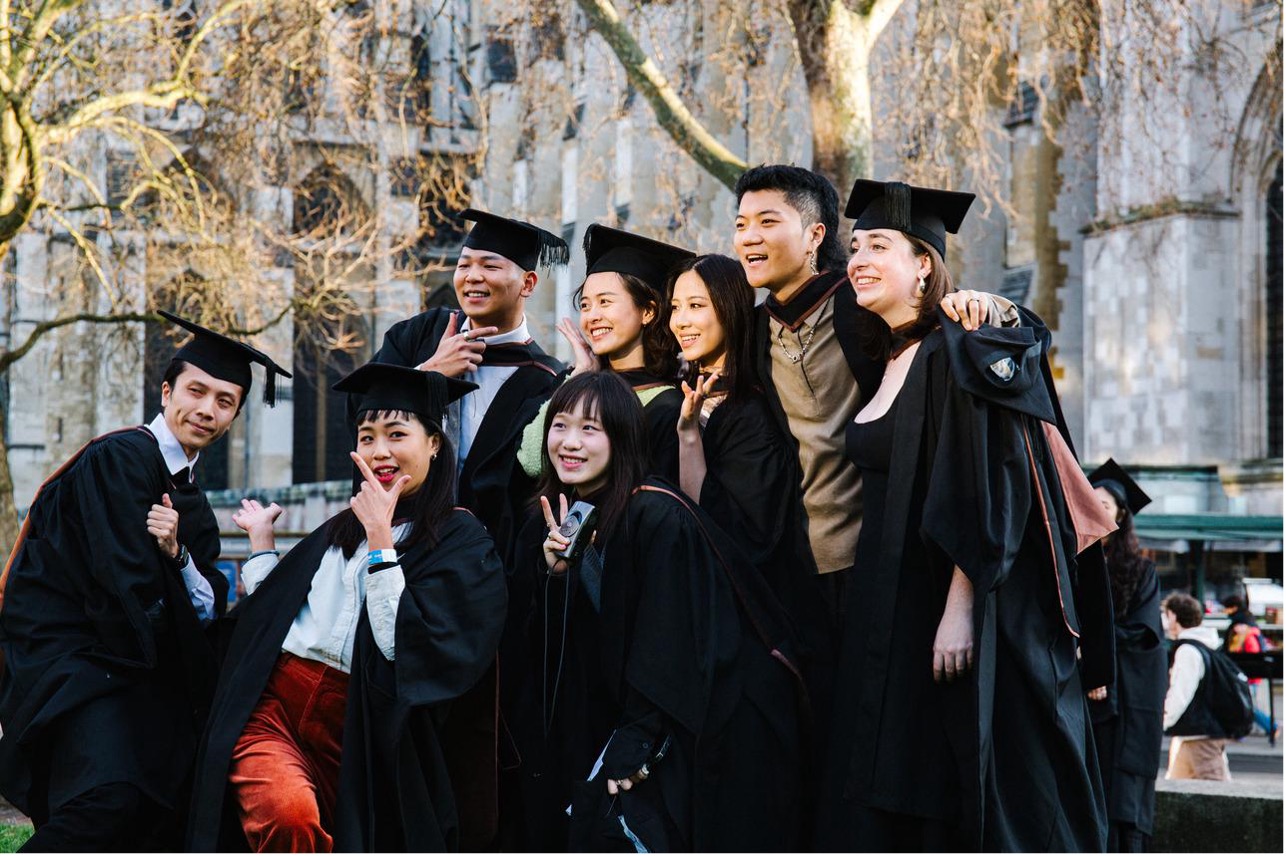
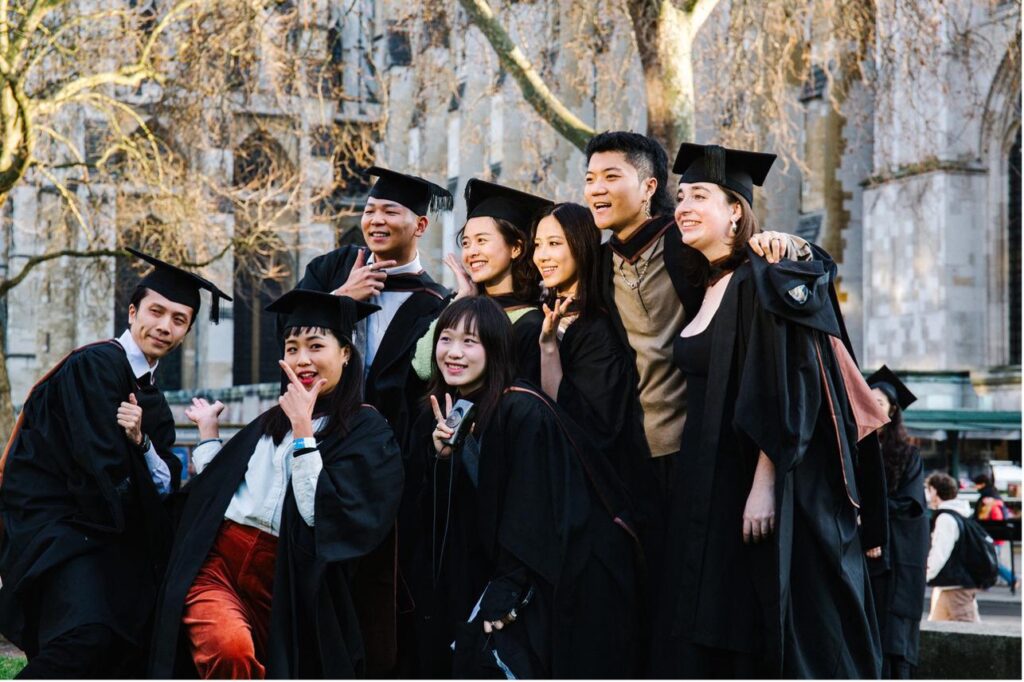
    ‘The negative impact of growing higher education expenses on UK students’ mental health Photograph: Goldsmiths, University of London 

    In November 2024, Education Secretary Bridget Phillipson announced that university tuition fees would be increased for the first time in eight years. 

    Tuition fees were previously capped at £9250 per year in 2017. However, from August 2025, students at universities will pay up to £9,535. 

    Although it has been restricted at £9,250 since 2017, the impending increase to £9,535 is about in pace with inflation over the previous eight years, the highest rate recorded since fees were implemented in 1998 under Tony Blair’s Labour government, at £1,000 per academic year.

    When speaking to the BBC, Phillipson further revealed plans to raise student maintenance loans by £414 per year to help students with the rise in living costs. 

    Although maintenance loans were intended to cover students’ essential living expenses, they often, for some fall short by thousands of pounds per year, especially when it comes to housing expenditures. 

    According to MoneySuperMarket, the average cost of student housing is from £2,000 to £2,500 per month. 

    “When you’re always worried about money, it’s hard to concentrate on studying,” says Isha Hussain, a second-year Goldsmiths sociology student. 

    Due to her accommodation being over £500 per week she says the current loan that she is eligible for does not cover her rent alongside necessities such as food and travel. This has led to her working over 30 hours every week, alongside her studies. 

    “University was meant to be a place of learning and development, but it’s now just a place of survival,” she said. 

    Before the increase in fees, Data from a 2024 Student Academic Experience Survey, conducted by Advance HE and the Higher Education Policy Institute (HEPI), found that over 28% of students reported the cost-of-living crisis was affecting their studies “a lot,” an increase from 26% in 2023. 

    Additionally, 50% stated it was affecting them “significantly.” Financial pressures have become the most significant concern, with 44% of students citing the cost of living as a primary factor contributing to a negative perception of their educational value.

    At Russell Group universities, which are notoriously expensive as their current accommodation rates are over £300 per week. 

    Historically linked to prestige, the problem is especially urgent. Subhan Ahmed and other students find the financial strain to be extremely personal. 

    Ahmed is a first-year Queen Mary University of London marketing student from a lower-income family.

    Accepted by one of the top Universities in the country, Ahmed says, “The excitement quickly turned into anxiety when I started calculating the costs—, rent, food. It adds up faster than you think.”

    For UK students, tuition fees are not an immediate concern, as they are covered by student loans that only require repayment once graduates earn above a certain threshold. 

    This is to ensure that those from low-income backgrounds can still access higher education without the burden of upfront costs.

    “I fear we’re being set up for failure. When we’re always worried about money, how are we meant to succeed?” He states that due to the increase in fees, students from less affluent households will face even more issues than before compared to students from higher-income families.   

    The change in Fees is a £200 rise in comparison to the amount which was set in 2017. However, the method in which students are only to pay the amount until after graduation. 

    According to Student Finance England, students will “Only repay their loan when their income is over the threshold amount of their repayment plan”

    The government has also justified the tuition hike as an initiative to help financially troubled universities, many of whom have had to reduce staff and programs due to financial difficulties including debts. 

    One of the universities most affected by these issues is Goldsmiths, University of London.

    Shada Abdalqader Head Campaigns & Activities Officer at Goldsmiths’ Students’ Union (SU) states that while financial support schemes exist, they are not enough to tackle the full scale of student hardship.

    The government argues that higher tuition fees are necessary due to funding cuts, yet critics question whether this increase will genuinely improve the student experience.

    “If the additional revenue is used to enhance support systems, then perhaps it is justified,” Abdalqader says. “But if it simply goes toward covering institutional debts without improving student services, then it fails to serve its purpose.”

    “Most home students remain eligible for a Tuition Fee Loan from Student Finance England, meaning they don’t have to pay fees upfront. But international students don’t have this safety net,” they explain.

    Goldsmiths alongside, various institutions are offering services to support their students who are facing significant financial strain. 

    The Student Hardship Fund, offered by Goldsmiths, is designed to offer emergency assistance to people who encounter unforeseen financial difficulties. 

    However, despite these services, the SU argues that the approach to student financial aid must be more holistic and specifically tailored to the different challenges faced by students. International students, for instance, often require more nuanced support.

    “Many of the issues students face stem from broader systemic issues, the pressures created by the university itself.” says the SU representative.

    Students see the growing expense of higher education as a direct danger to their education and prospects, as well as a financial concern. Students like Isha Hussain and Subhan Ahmed wonder if a university degree is worth the cost as tuition rates rise and living expenses skyrocket.

    One thing is evident: the future of higher education in the UK is at stake, as student voices continue to gain traction and universities face financial collapse.