
Photograph: Unsplash by Annie Spratt
A new study has shown the link between intrusive thoughts and sleep deprivation.
The study by scientists from the University of York and the University of East Anglia suggested new treatments for people who suffer with anxiety disorders, depression and PTSD.
The study, published last December, showed that lack of sleep can prevent the prefrontal area of the brain from supressing intrusive thoughts and negative memories.
Dr Scott Cairney from the University of York’s Department of Psychology, said:
“Memories of unpleasant experiences often intrude into our conscious mind in response to reminders, but tend to be fleeting and can be put out of the mind again, but we have previously shown that the brain’s ability to suppress such intrusive memories is contingent on obtaining restful sleep.
Suppression is a very clever function of the brain as it weakens all of the connecting traces of the memory, thereby inhibiting us from joining up all the dots to retrieve the full picture of the experience when it is triggered by an external stimulus.”
The study started by showing the 85 participants scenes, that could be neutral or negative, which were paired with faces. After that, half of them stayed awake all night and the other half slept restfully in the lab.
On the following day, they were shown the same faces again and they were either asked to remember the scene associated with the face or supress it. The participants’ brain activity was examined during the assessment using functional magnetic resonance imaging (fMRI) scans.
The participants who slept had more activation in the right dorsolateral prefrontal cortex – the part of the brain that controls actions, emotions and thoughts – in comparison to participants who were sleep deprived.
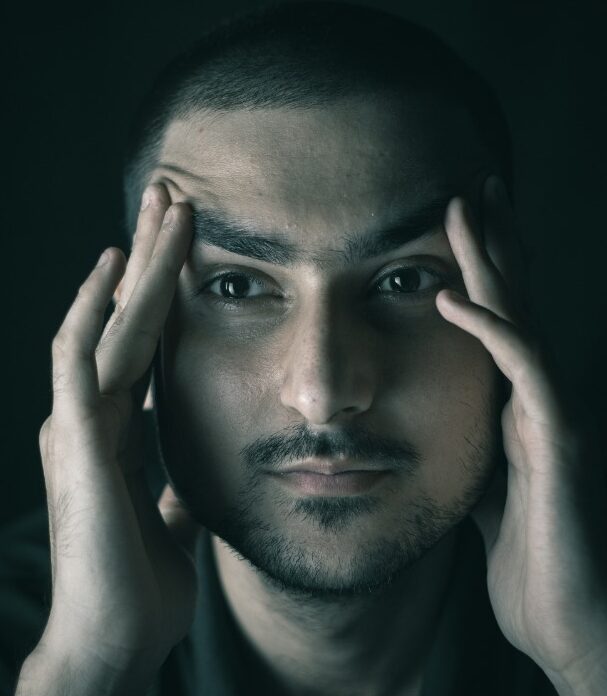
Photograph: Unsplash by Pratik Prasad
Dr Cairney said:
“The participants who were sleep deprived were unable to engage the area of the brain that helps us suppress unwanted memories.
Consequently, they could not quash memory related processes in the hippocampus that give rise to intrusive thoughts.”
The hippocampus is responsible for the remembrance of memories. Rapid eye movement (REM) sleep was also found to influence the brain’s efficiency when supressing memories, since the more REM the participants had, the higher the activity was in their right dorsolateral prefrontal cortex.
Dr Cairney highlighted that the study’s findings should be utilised in designing more behavioural therapies and targeted treatments for people with anxiety, depression or PTSD which focus on improving their sleep, since that should also reduce their other symptoms of intrusive thoughts and recalling negative memories.
“This is really important to our understanding of mental health issues as it is well documented that those who suffer with anxiety, depression or PTSD, also have difficulty with sleep,” Dr Cairney said. “Now that we have better understanding of the the mechanisms in the brain that can help restrict negative memories and thoughts, we can perhaps work on more targeted treatments and behavioural therapies that help with improving sleep and as a result support the brain in doing what it has so cleverly adapted to doing, allowing us to lead mentally fit lives.”