The room is dimly lit, the soft glow of candles flickering against the walls. The scent of incense lingers in the air, blending with the faint traces of nail polish. Across from me, Scarlett Lee sits with an air of quiet confidence, an Asian young lady, she juggles two careers—one as a nail artist, crafting intricate designs on the hands of her clients, and the other as a theatre producer, bringing stories to life on stage at age of 26.
She lives in London, a city that moves fast, where decisions need to be made quickly. But Scarllet doesn’t always trust herself to make those decisions alone. Every few months, she turns to tarot, astrology, or crystals, searching for guidance in the unknown. Tonight, she has agreed to talk about why.
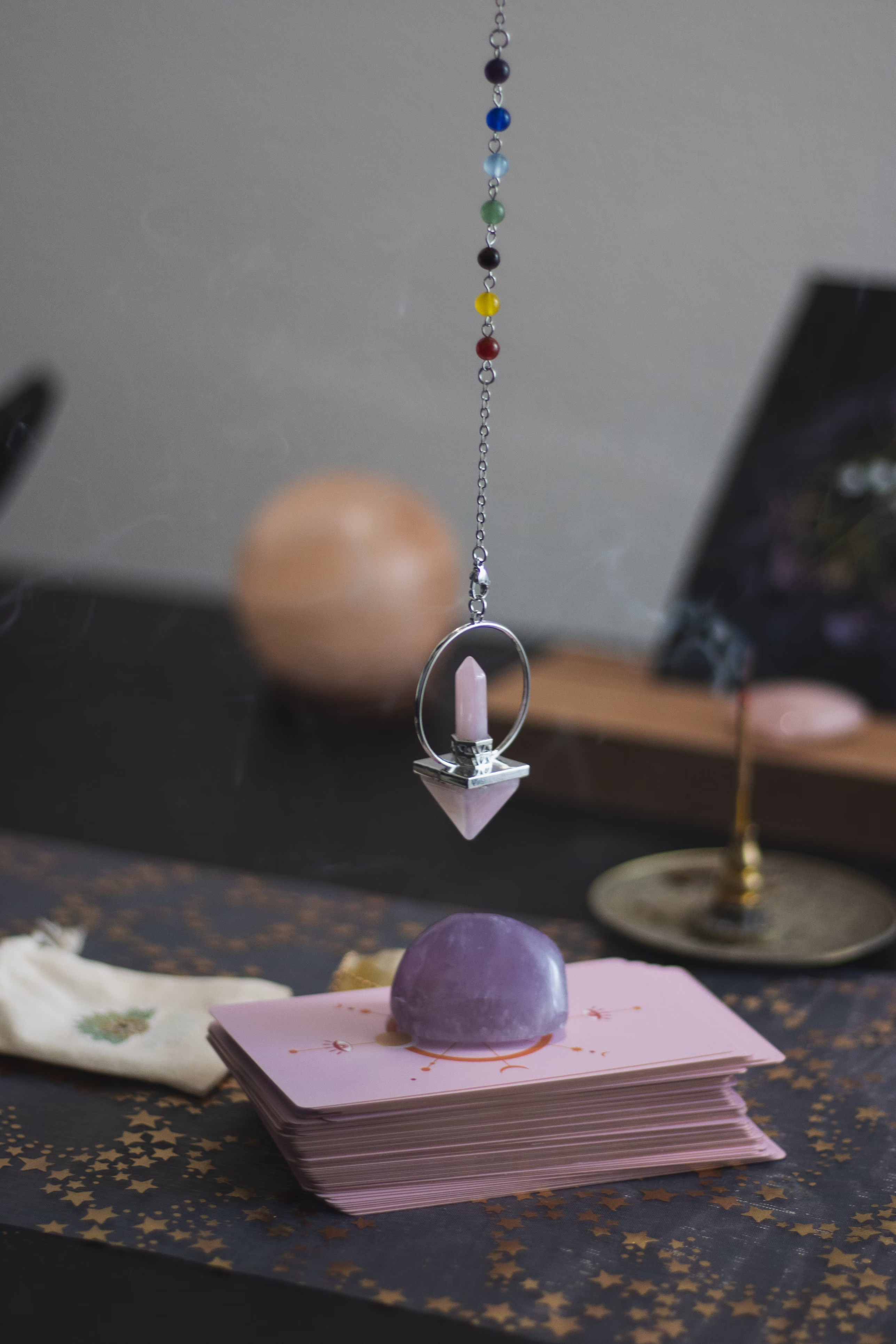
A Door to Unknown
Me: Ms. Scarlett Lee, when did you first turn to divination?
Scarlett: (Leans back, eyes drifting as if recalling the memory) I was 21, freshly out of university. I had no idea what I was doing with my life—what career to choose, whether I was making the right decisions. A friend dragged me to a tarot reader in Soho. She said it would be fun.
Me: And was it?
Scarlett: At first, it felt like a game. The reader shuffled the deck, her fingers moving so smoothly it felt hypnotic. Then she pulled The Magician and The Chariot—she told me I was meant to do something creative, something where I could use my hands and my mind. She even said, “You will walk two paths at once.”
Me: Did you believe her?
Scarlett: (Laughs) Not really. But a year later, I found myself working in theatre production while starting my own nail art business. And suddenly, her words felt less like a coincidence.
A Town Full of Magic: The Glastonbury Experience
Me: You once had a powerful experience in Glastonbury. Can you tell me about it?
Scarlett: (Smiles, eyes lighting up) Glastonbury is different from anywhere else. It’s ancient—full of myths about King Arthur, hidden ley lines, and lost knowledge. The moment you step into that town, you feel… something.
Me: What happened there?
Scarlett: I found a small tarot shop, tucked away down a quiet street. The woman inside was older, with sharp blue eyes that seemed to look right through me. She didn’t ask any questions—just shuffled the deck and laid out the cards.
Me: And what did she tell you?
Scarlett: (Pauses, as if choosing her words carefully) She pulled The High Priestess and looked straight at me. “You already know the answers you seek,” she said, “but you are afraid of them.”
Me: What did that mean to you?
Scarlett: At the time, I was debating whether to fully commit to my nail business. I kept hesitating, doubting myself. But after that reading, something shifted. It felt like the universe had spoken, confirming what I already knew deep inside. A month later, I took the leap and started my own studio.
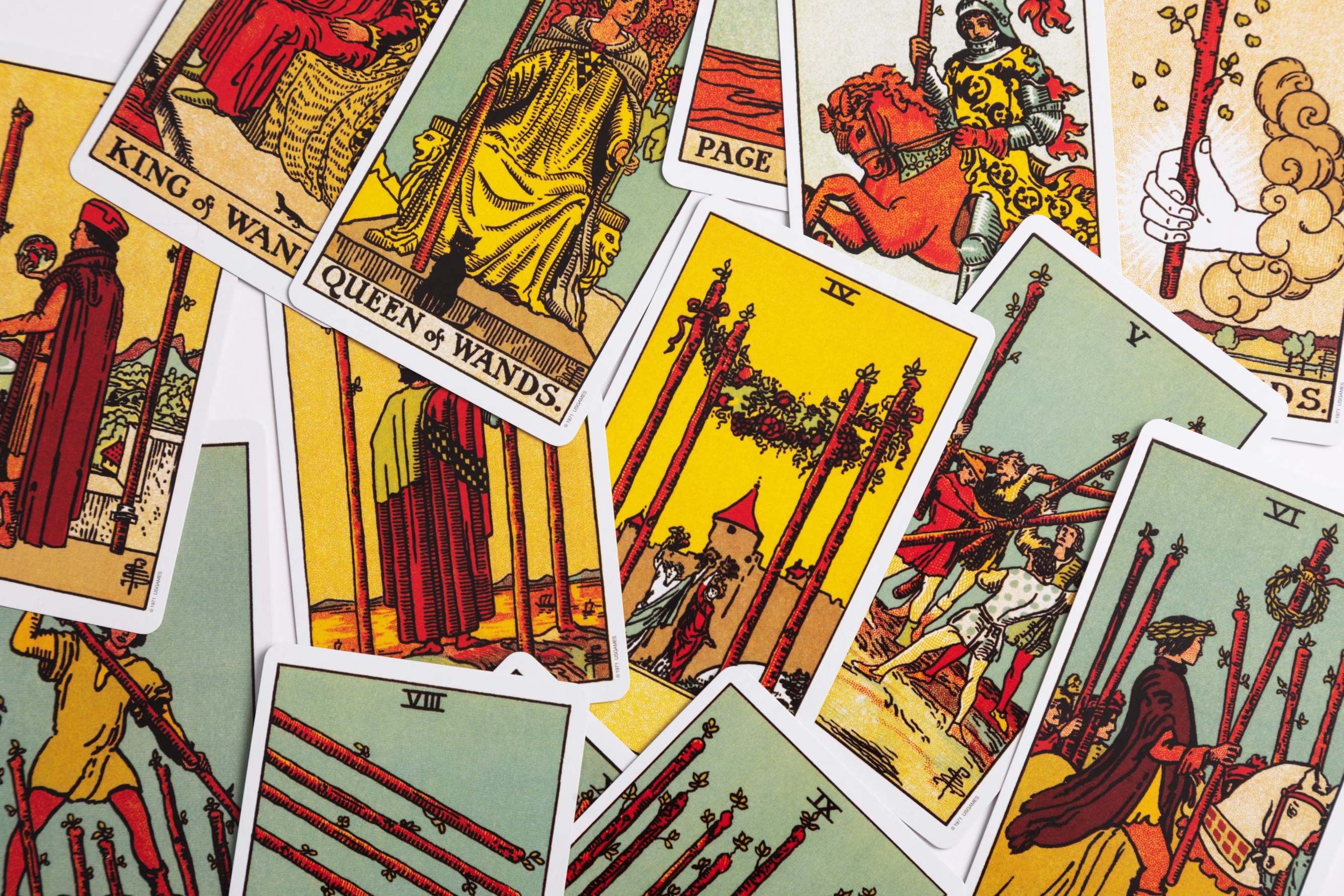
Between Comfort and Dependence
Me: How often do you seek out readings?
Scarlett: Every few months, usually when I feel stuck. Sometimes more often, if I’m struggling with something.
Me: Do you ever worry that you rely on it too much?
Scarlett: (Exhales, thinking) Sometimes. There have been moments when I couldn’t make a decision without checking my tarot cards first. Like when I was in a relationship that wasn’t working—I knew I needed to leave, but a reading told me to “be patient,” so I stayed longer than I should have. Looking back, I should have just trusted my own feelings.
Me: What do you think is the biggest danger in believing too much in divination?
Scarlett: Losing your own voice. If you’re not careful, you stop making choices for yourself. Instead of taking action, you wait for signs. That’s why I try to remind myself that the cards don’t control me—they just help me see things from a different angle.
The Self-Fulfilling Prophecy: Fate or Psychology?
Me: Do you think divination actually predicts the future, or does it just influence how you actions?
Scarlett: I think it’s both. If a reading says “you will have luck in love,” you might go out more, be more open, take more chances. Then, when something happens, you think, “See? The tarot was right.” But maybe it was just you, changing the way you moved through the world.
Me: So do you think divination is real?
Scarlett: (Smiles, tilting her head) Real in what way? Do I think the cards have supernatural power? I don’t know. But I do think they tap into something deep—our subconscious, our fears, our desires. Sometimes, they just show us what we already know but are too afraid to admit.
The Future: A Path of Her Own
Me: Do you see yourself continuing to use divination?
Scarlett: Yes, but differently. I don’t want to be someone who waits for permission from the universe. Now, I use tarot not for answers, but for reflection. It’s like talking to a version of myself that sees things more clearly.
Me: So, is divination about fate, or is it just another way to understand yourself?
Scarlett: (Smirks) Maybe both. Or maybe, the future is just another way of looking at the present.
The Interview Ends, but the Mystery Remains. The candlelight flickers, casting long shadows across the table. Scarllet watches the flame, as if lost in thought, then looks up at me with a knowing smile.
“Do you want me to pull a card for you?” she asks.
For a moment, I consider it. I think about all the things I don’t know, all the questions that linger in the back of my mind. But then, I shake my head.
“No,” I say. “I think I already know my answer.”
She nods, as if she expected that. And as I walk away, I realise something: Maybe that’s the real power of divination—not to show us the future, but to remind us that, deep down, we already know the way forward.