Crystal and sun catchers dangle from the ceiling, the rich woody, smoky scent of incense permeates the air and books neatly line the shelves on your right as you walk in. A group of young women are looking for protection from evil eye and ask the shop assistant if black tourmaline is better than onyx. “I’m getting the tiger’s eye ring,” says one of them, a tall blonde girl in a leather jacket. She and her friends cluster around a box with colourful gemstones stacked in compartments. The Astrology Shop in Covent Garden, London attracts a motley crew of first-time visitors and regulars.
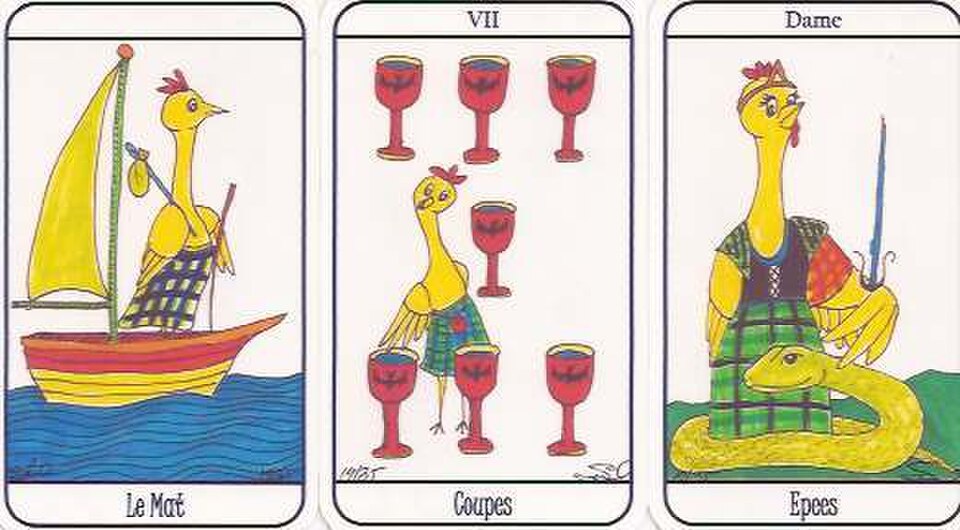
While often associated with fads and fashion of the present times, many of these practices have deep roots in history. Astrology’s genesis in England can be traced back to the 17th century and William Lilly’s first manual in the subject, Christian Astrology, a lengthy tome that helped popularise it in England. Tarot is of diverse origins but owes its divinatory turn from a card game to Frenchman Jean-Baptiste Alliette. His work How to Entertain Yourself With a Deck of Cards was the first manual of its kind in Europe dedicated to tarot card divination.
Whether through tarot, astrology, sound healing or crystals more people are turning to spiritual practices in growing numbers, and it has particularly caught the attention of Gen Z.
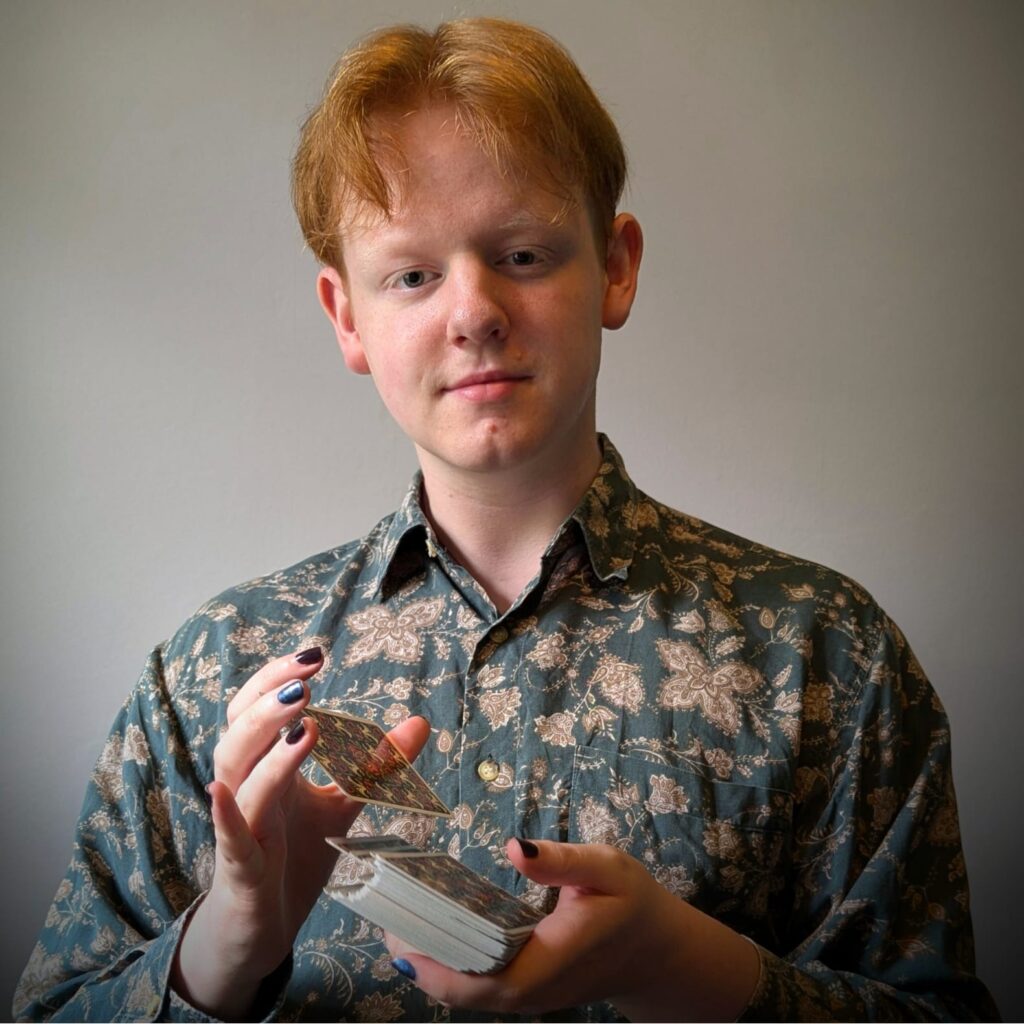
Kal, a 25-year-old tarot reader, is among the many practitioners catering to Gen Z, and thinks it’s natural for people to turn to divination in uncertain times.
Tarot has entered the mainstream now and it is not just Gen Z who are enjoying it
“People ask how they can feel more grounded and feel like they have agency,” he says. “Since COVID there’s been a spike in tarot reading because many people were offering it online and a lot of people had time.“Tarot has entered the mainstream now and it’s not just Gen Z who are enjoying it, but they have paved the way for a society who can think a bit more critically about itself and make some decisions, and tarot can be a part of
Dr Jessica Eastwood, a teaching fellow in philosophy at Oxford Brookes University agrees. “Although we live in an era of hyperconnectivity many youngsters feel increasingly disconnected – from faith, tradition and even personal relationships,” she writes on the University’s website. She explains how organised religion has historically provided a sense of belonging, and ultimate purpose, but as religious affiliation declines, Dr Eastwood believes this generation of digital natives is looking elsewhere for guidance and identity.
This pursuit of meaning is compounded by a climate shaped by insecurity, high levels of unemployment, rising costs of living, and a mental health crisis. The latter has led many to seek these alternative practices as a form of self-care.
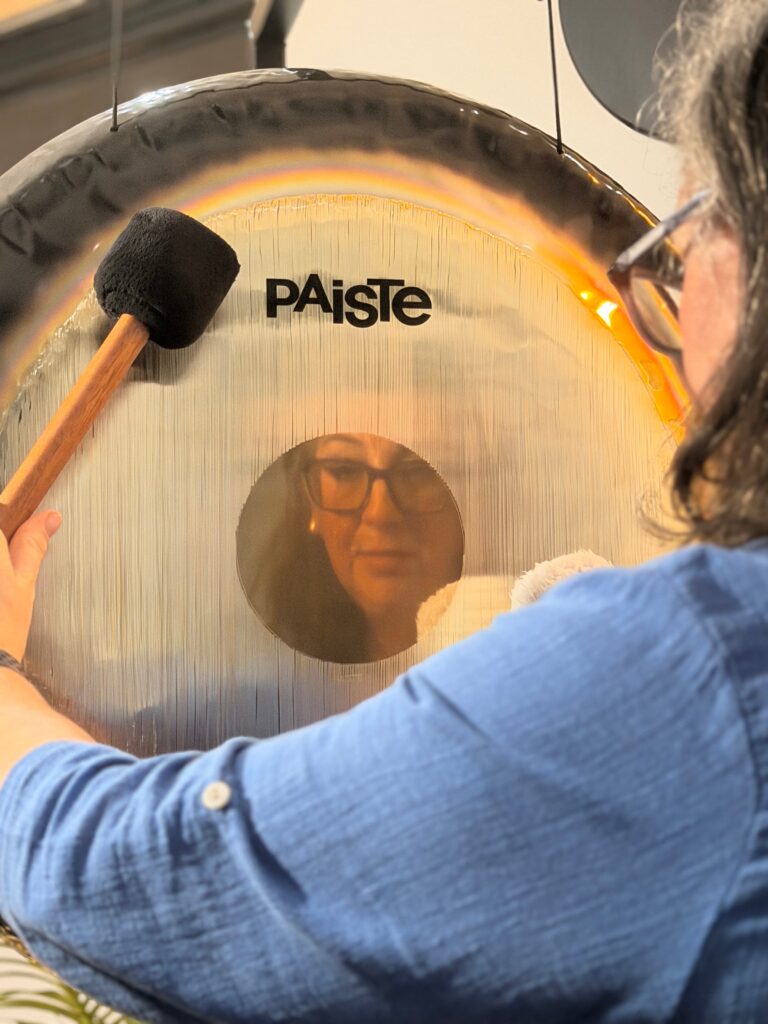
Emma Rahamim, 52, a sound practitioner, also believes people are increasingly seeking calm amid social and political turbulence. “The world is very challenging at the moment,” she says. “It needs love and light. That’s what I am trying to just put out.”
It can be quite scientific but…..the way I think about it is, if it feels right, it is right
“The sound is a very steadying thing. It can bring you back from a lot of things. So, I take refuge in that when I need to. I’m also surrounded by it, because that’s what I choose to do. I surround myself with that vibration.”
Emma came to her practice after a chance encounter at a retreat with crystal bowl sound baths, which eventually led to her training as a sound practitioner and seeking sound as a healing tool. She runs sessions from her studio in the garden of her North Finchley home. It’s a quiet space dotted with large white crystal bowls imported from China, a mixed seed chime, a wah-wah (a metal tube chime) and a huge metal gong that takes pride of place.
“Things like these can really help with stress and anxiety,” Emma says, explaining how the sound of the gong, the bowls and chimes work with frequency and sound waves to create a feeling of trance-like relaxation. “It can be quite scientific but…..the way I think about it is, if it feels right, it is right.”
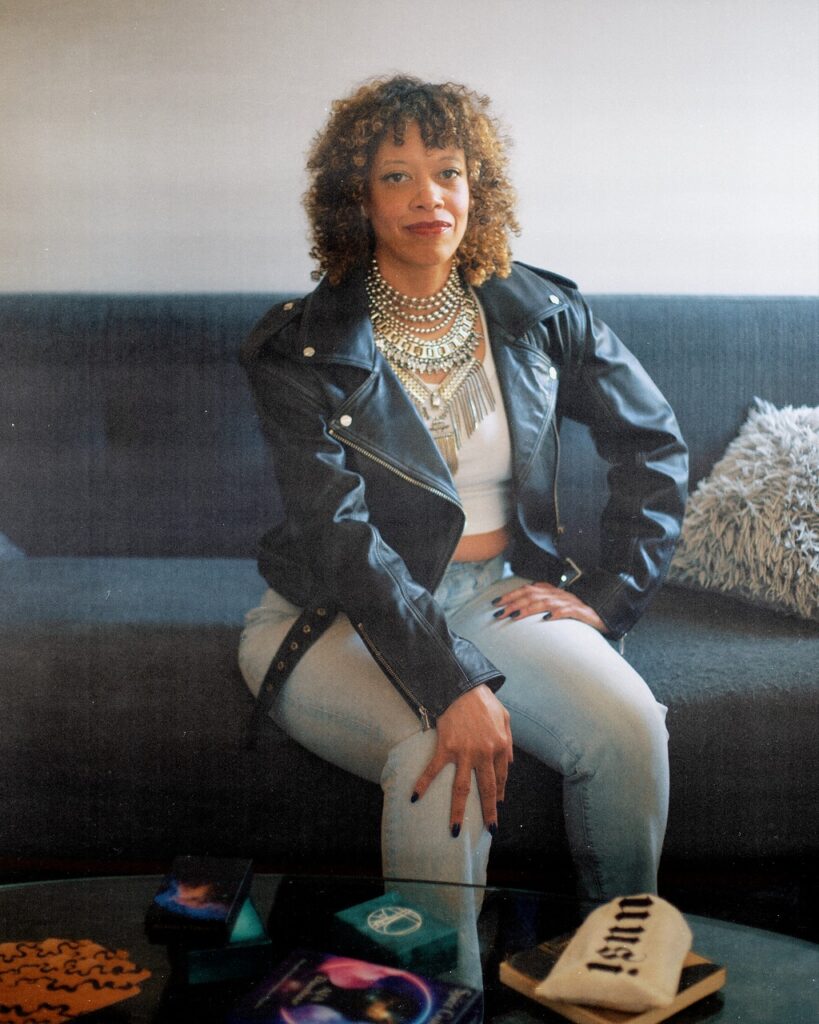
For astrologer Clarissa, a millennial, spiritual practice offers a framework through which people interpret their lives. A native Californian, she studied publishing in London and worked as an entertainment journalist before setting up her own astrology business.
“The process of a divinatory reading like astrology is therapeutic,” she says. “I have done it since I was a kid and I do believe spiritual abilities are real…they are just like senses. I really do believe it’s like another layer of humanity.” Clarissa draws similarities between being an astrologer and being empathic in a way that blurs the lines between spirituality and counselling.
I think true spirituality should centre around knowing yourself
“I am not a licensed therapist, but I feel that many astrologists are into psychotherapy and position themselves as such and that is how I see myself too.”
Clarissa sees that astrology has a lot of influence on what she refers to as ‘the TikTok generation’ but her clientele spans different age groups who have the same needs: they are all looking for answers.
The rise in astrology’s popularity can be seen in the numbers: sales of £9.6 billion of astrology-related products were reported in 2021 according to research from Oxford Brookes University, with a predicted increase of 78% they are expected to rise to £17 billion by 2031.
Many have found inner peace in the wellness industry, but the high profitabilty of the industry can also attract rogue operators. “There are predators everywhere in every industry top down… and this is applicable to spirituality and wellness, too,” says Clarissa, adding, “I call my business a practice because it mirrors psychotherapy in terms of ethical considerations. I approach it with respect. You basically have people’s lives and personal information in your hands.”
Safety and security are also a prime concern for Emma and Kal. “Most, if not all tarot readers and practitioners in the UK will use disclaimers to say it is for entertainment purposes only,” says Kal. “By using our services, you understand that this is for your spiritual entertainment, and you are ultimately the person who makes decisions in your life.”
I do believe spiritual abilities are real…they are just like senses. I really do believe it’s like another layer of humanity.
At the end of her training Emma explains how she was issued with a certificate and obtained coverage from an insurer for her work. She also takes other precautionary measures; the booking form on her website provides further pre-session checks through health screening, risk assessment and informed consent for new incoming clients.
“I think true spirituality should centre around knowing yourself better and therefore knowing how to live a life that suits you the best,” says Kal. “Spirituality as opposed to religion can be much [freer]”
Back at the Covent Garden shop, the debate over protective stones continues. One customer settles on a tiger’s eye ring, and another goes to the counter and pays for their finds. Whether crystals possess any power remains a matter of belief, but what has brought them to the shop today is a search for certainty, connection and meaning.
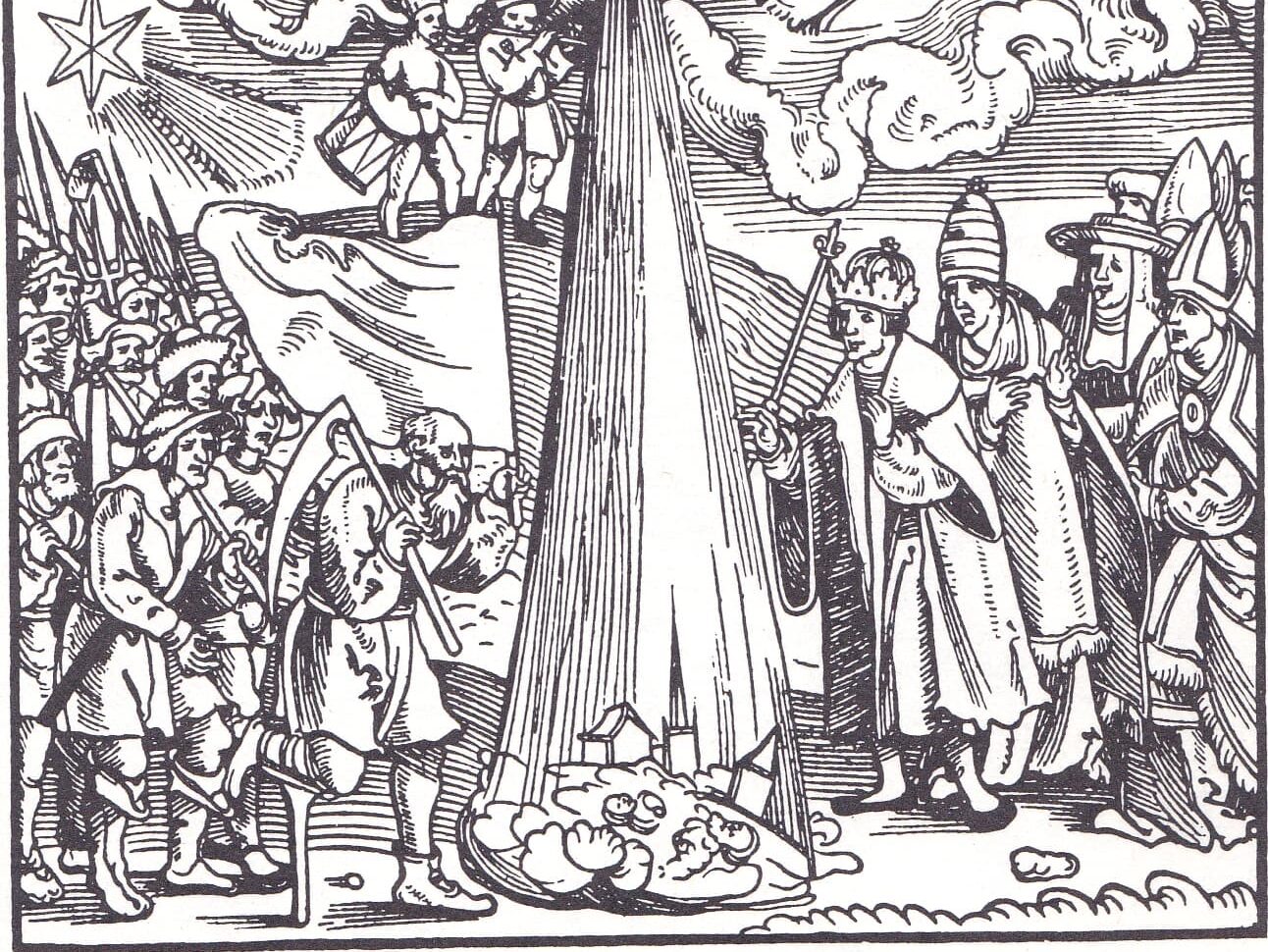
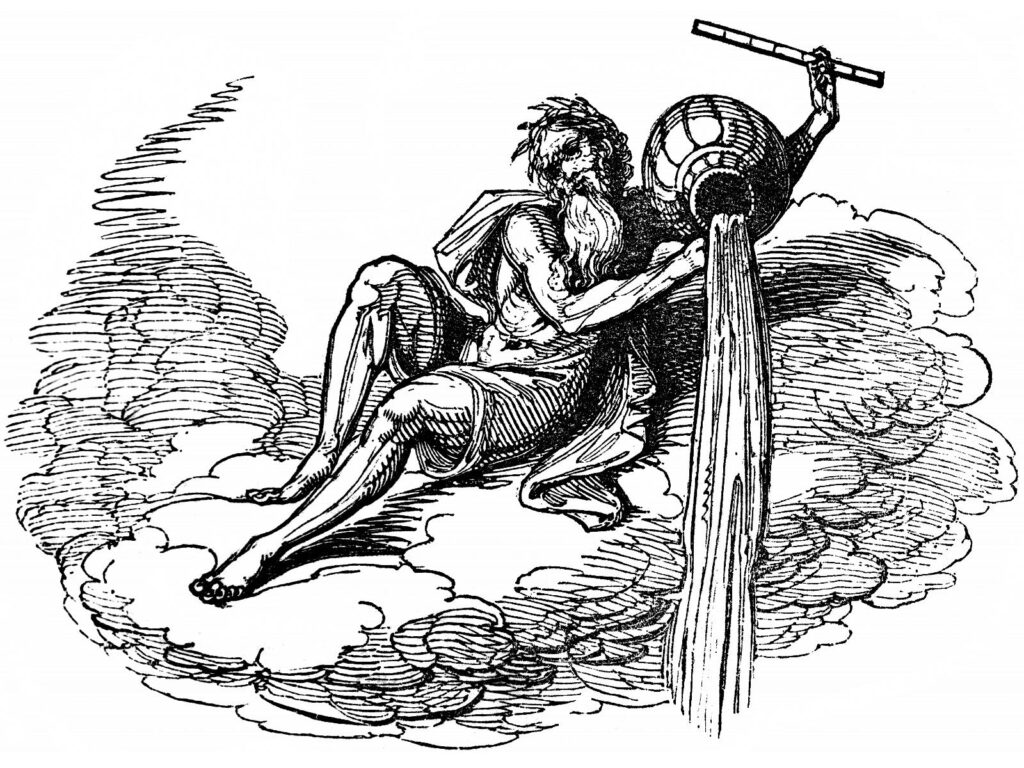
(Feature Illustration) Astrological prediction for the year 1524. Hanns Lilje: Martin Luther. En bibldmonografi. Stockholm 1966. Courtesy of Wikimedia