Both the Tate Modern and Tate Britain act as symbols that preserve not only the culture and history of Great Britain but its multi-national identity as well. Collectively, they emphasise the importance of our shared community through art. However, the type of art displayed makes them instinctively different. Tate Modern is an institution that zeroes in on more contemporary and modern artistic ideas and pieces, such as its multimedia installation. Which acts to push the boundaries of artistic expression, as we now live in a digital age.
Meanwhile, Tate Britain transports us back to the past to look upon the works of artists that have come before us. Featuring mainly portraits of iconic artists such as John Everett Millais’s Ophelia or John Singer Sargent’s Carnation Lili, Lily Rose. This piece seeks to analyse the distinct characteristics that both museums have to offer, not intending to rank one above the other but rather to accentuate their purposes and works that may resonate with some visitors more than others.
Historical context
Before we delve into the worlds these two institutions hold for us to explore, we must first understand their histories. The Tate Britain was founded in 1897 by Sir Henry Tate, a philanthropist who offered his collection of art in the hopes that the government would construct a building where his collection and other works could be viewed. The site chosen to build the museum was Millbank Penitentiary in London, which was demolished to make way for the gallery. Tate Britain officially opened to the public in July 1897 and included artworks like paintings, sculptures, and watercolours from the 16th century to the contemporary period.
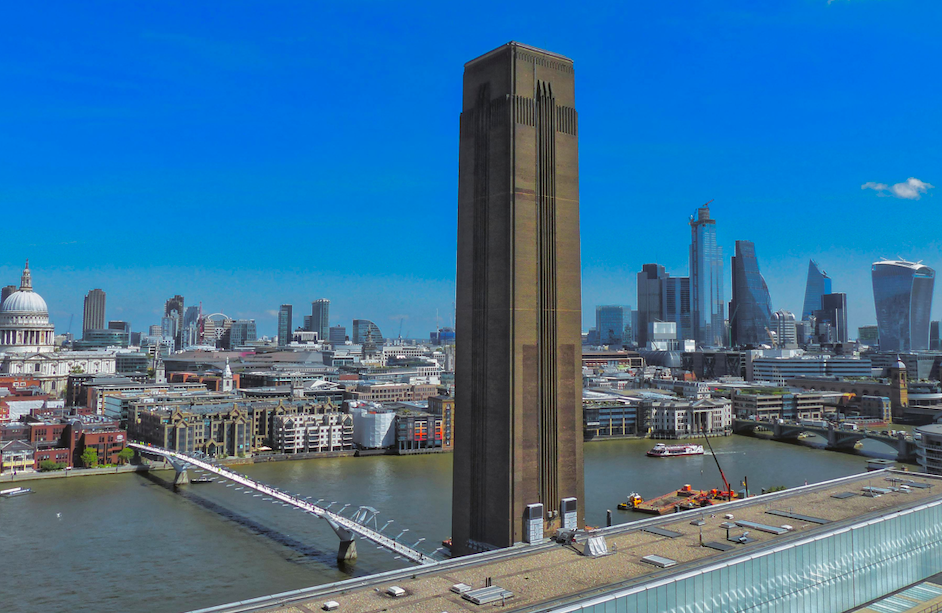
Similarly, the Tate Modern was constructed on the site of the Bankside Power Station. In the late 1900s plans were developed to repurpose the station into a museum for contemporary art. The project aimed to create a unique and dynamic space reflective of the more modern and contemporary art it would be displaying. Tate Modern officially opened on May 12, 2000. Its opening also marked a significant milestone in the revitalisation of the Bankside area and London emerged as a hub for contemporary art.
Collection overview
Now that we have covered the brief history of both Tates, we can look at what shapes a visitor’s experience when you go to any museum – the collections, or rather the artworks that they showcase. If you think Tate Modern is more your style then there are a few pieces you have to see. Marcel Duchamp’s ‘ready-made’ sculptor Fountain (1917) is both a bizarre sight and a significant milestone in terms of conceptual art. When I saw it for the first time, I was also taken aback by the fact that an upside-down urinal would be considered art. However, that is the entire point of the sculpture in the first place, it makes us question what art truly is. The piece is meant to be crass, you’re meant to look at it with a sideway glance and contemplate why a urinal of all things is in this gallery in this very spot.
Duchamp also questioned the concept of originality, traditionally artists were expected to produce one-of-a-kind pieces signed with their names, however, with the Fountain, Duchamp has circumvented that idea by signing the urinal with the pseudonym ‘R. Mutt’ criticising originality with a urinal you can find in every public restroom. This is only exacerbated by the fact the original was lost and many replicas have been made while also bringing the idea of conceptual art to light. Conceptual art is where artists create a sculpture or contraption either out of everyday items or from scratch to represent their ideas. Duchamp’s ‘ready-made’ items are meant to show how artistic expression can be simple. Something you can just find on the street.
Another piece, almost as equally bizarre but also significant, is The Guerilla Girls’ Do Women Have To Get Naked To Get Into The Met. Museum? Inspired by Jean-Auguste-Dominique Ingres’ La Grande Odalisque, the piece is a pop arty poster with a naked woman on the cover wearing a Gorilla mask. I found the piece quite shocking at first but once I had read it understood its message clearly. The piece belongs to a group of anonymous female artists, who work to expose sexual and racial discrimination in the art world and protect their identities by wearing Gorilla masks in public and donning pseudonyms of famous female figures. The poster also utilises visual advertising with the line “less than 5% of the artists in the modern art section are women, but 85% of the nudes are female”. The visitor is captured by the loud colours, naked woman and the issue.
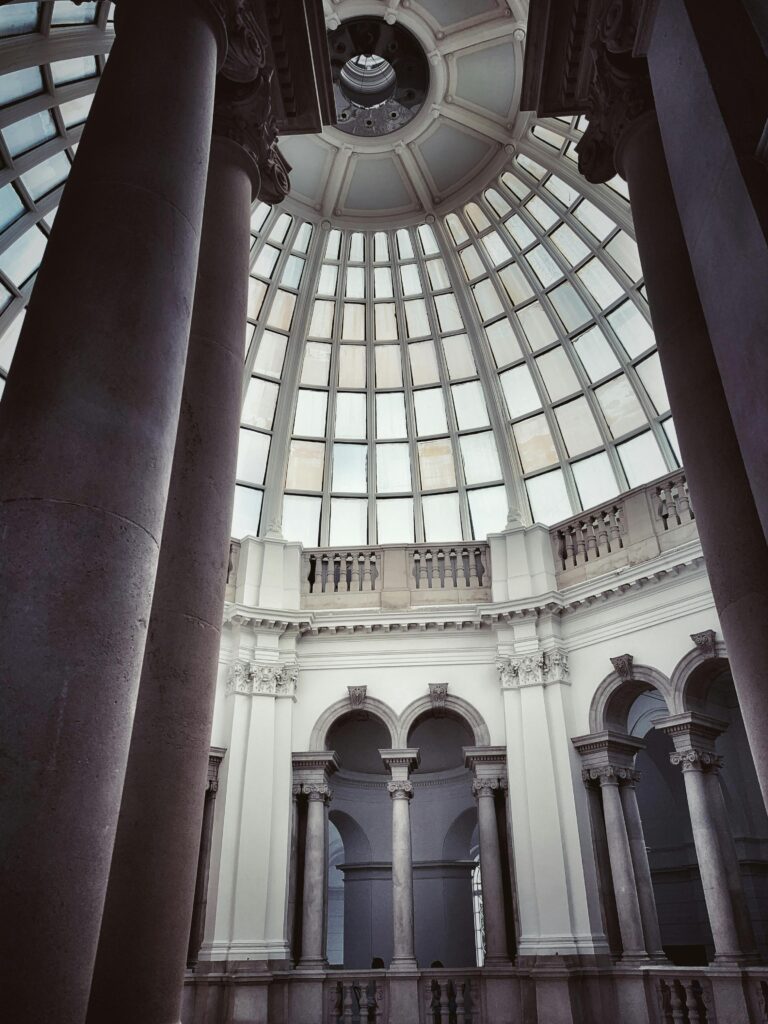
You can find more contemporary pieces that comment on existing or new issues we have come to face in the 21st century at the Tate Modern. Meanwhile, the Tate Britain is home to many timeless paintings that are part of our shared cultural history.
Andy 32, says: “I took my two daughters through the West Indies art collection and thought that was interesting to look at, being part Kenyan myself”. This is most likely a reference to Agostino Brunias’s Dancing Scene In The Caribbean (1764-1796), a beautiful oil painting that shows a mixture of men and women of African descent dancing on a Caribbean Island. The image presents a more idealised and distorted view of slavery, which was its intention as Brunias sold his works to plantation owners. It’s a significant piece of history as is Sir John Everett Millais Ophelia (1851-2).
Ophelia is a Pre-Raphaelite painting that illustrates the tragic death of Ophelia from Shakespeare’s famous play Hamlet. Pre-raphaelite paintings held significant subjects often surrounded by nature but the paintings were also part of a brotherhood. A group of English artists rejected the Royal Academy’s promotion of the Renaissance master Raphael, and instead were inspired by theories by John Ruskin who urged others to “go to nature”. Millais and many others took this to heart as Ophelia was painted in two different locations. The lake that Opehlia is lying in was painted at Hogsmill River in Surrey and the subject was painted at his studio on London.
The Tate Modern art seems more avant-garde than the Tate Britain. However, the institution also contains some pieces that push the art boundaries such as Bridget Riley’s Fall, which utilises optic effects to trick the brain. When I looked at it, the lines seemed to constantly move, when in reality it is a single curved black line repeated on a white background that induces this sense of falling. David Hockney’s A Bigger Splash borders pop art with its strong colours and stable background, making the splash seem more life-like. Hockney lived in Los Angeles and saw how almost everyone had a swimming pool. It was always sunny and he took inspiration from that as seen in his piece.
Visitor experience
Both Tates promote vastly different experiences expressed through their rooms and other activities. For example, the Tate Britain is structured in a way for you to slow down and appreciate the art, with chairs in some rooms, suggesting that you should take a breath to truly appreciate the art. Victoria, an art student at UCL, said: “Both Tates hold different forms of artistic expression that can be enjoyed by anyone really, but I enjoy the oil paintings most.”
Some paintings are in massive ornate frames, whilst others are in much smaller ones, which act to emphasise their differences in artistic style such as the oil paintings Victoria mentioned. The muted colours of the walls act to bring the paintings to life as you walk around the gallery.
Arguably, the Tate Modern is much more engaging, no room is the same, some rooms are pitch black with videos playing, whilst others have giant pieces of art in the middle of the room, such as Babel by Cildo Meireles (2001) which is made out of second-hand analogue radios.
The Tate Draw is also a great aspect of visiting the Tate Modern. This is where parents who bring their children or anyone really can get the chance to use a virtual canvas to create art, some of which is displayed in the room. This does not act as an activity to relieve parents of the stress their children bring. But an opportunity to stimulate the creative minds of a new generation as well. Daniel, 26, said: “I like these sort of things where you just walk around and experience history through the lens of either art or even set pieces.”
Both Tates take you through different aspects of history and both present you with a unique experience, whether that be through the beautiful natural Pre-raphaelite paintings, life-like sculptors or bizarre objects and contraptions. There is something for everyone, even children. So my suggestion would be to go out and experience the shared culture of both Tates and make your own opinion on which you prefer.