
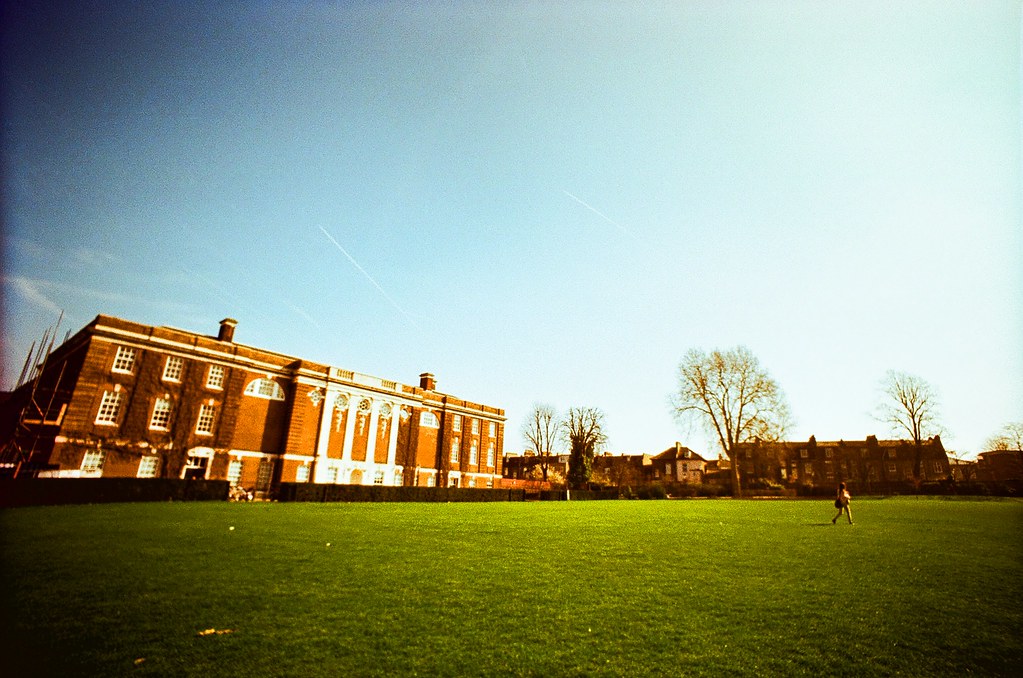
Goldsmiths, University of London, a renowned institution in the borough of Lewisham. In recent weeks, the university has become a focal point of protest and debate. Amidst the backdrop of the Palestine conflict, a group of students occupied a university building. This occupation is not isolated, it resonates hundreds of miles away at the University of Leeds where chants of “Palestine will be free” fill the air. These signaled a united front of student activism across the UK.
As the conflict in Palestine continues to evoke emotions and stir activism around the world, the occupation at Goldsmiths serves as a microcosm of the movement. Students assert their demands for justice through banners and slogans with each passing day. However, questions linger about the impact of such protests on daily university life and the implications for academic freedom.
The Palestine-Israel conflict has long been characterised by deep-rooted tensions and territorial disputes. The recent escalation sparked by what many view as Israeli aggression and occupation has reignited global outrage and solidarity with the Palestinian people. With images of destruction flooding the media, the narrative of the Israeli offensive being equated to genocide has gained traction prompting calls for immediate action. And driving students at Goldsmiths and Leeds to demand action and accountability from their institutions.
At Goldsmiths, the occupation of the Professor Stuart Hall building by students is a calculated act of defiance. Descending to the lower level of the building, a lecture on the Gaza conflict unfolds unexpectedly before your eyes. The lecture hall, usually reserved for academic pursuits, now hosts about 20 barefoot attendees nestled among sleeping bags. Since February 20, they created artworks to protest for Palestinian rights, alongside testimonies and manifestos that fill the space. PSH downstairs transformed into a vibrant center of protest and offers sustenance and necessities to all participants. It underlines the collective spirit that drives their movement.
A unique, cooperative structure governs their daily routine, with tasks distributed evenly among the group embodying a shared vision of equality and shared responsibility. The occupation of a university building served as a symbol of resistance and solidarity, and these students sought to pressure the university into a stand against injustice. The demands put forth by the occupiers were clear: a new statement from the college recognising that the Israeli offensive was genocide, the protection of protesting rights, commitment to rebuilding the Palestinian education structure, divestment from surveillance company Nice LTD and revoking the IHRA definition of antisemitism, which was adopted by the college several years ago. On March 8th, there was a big rally outside of the PSH Building. I interviewed a participant called Layla Abbas, 28 years old who was a Lewisham resident.
How did you feel seeing the rally for Palestine here in Lewisham? Layla Abbas said: “I originally come from Palestine; it made me hopeful. Seeing people come together for Palestine, especially because I saw it on Instagram, felt like a big hug. It’s like my two worlds, here and Palestine, got connected.”
With your family’s background and your connection to Palestine, how much do you know about the current situation in Gaza? Layla Abbas answered: “My understanding of Gaza is not just through news, but through the stories my family shares. Knowing what people there endure daily, the challenges of living under blockade, constant threat to safety, fuels my resolve to be part of rallies like this. Every time we gather to raise awareness or voice our protest, I feel like I’m standing up not just for Gaza, but for my family and every person facing injustice there.”
The University of Leeds witnessed students occupying the Parkinson Building, have articulated clear demands: the cessation of university partnerships with Israeli institutions, the banishment of war criminals from campus, and a call for Leeds University to make powerful statements in support of the Palestinian people. This occupation showcases the broader sentiment of the students against the happening in Palestine a similar display of solidarity
These types of occupations are not the first time. In March 2019, Goldsmiths witnessed a significant occupation when anti-racism activists took control of Deptford Town Hall on campus. This 137-day protest, driven by demands for the university to address institutional racism. The activists’ demands were comprehensive which include addressing issues of gentrification, outsourcing, and cuts to course provision, alongside the core issue of racism. The occupation led to strained relations between the students and the university administration, culminating in a high court order against the occupation. Despite these challenges, the protest resulted in significant concessions from the university, including the introduction of mandatory “race awareness” training for staff, a review of anti-discrimination and harassment procedures, and the reinstatement of scholarships for Palestinian students. The persistence and eventual success of this protest underscore the potential of sustained activism to effect institutional change from institutions. The current occupation over the Gaza conflict draws parallels to this earlier occupation. It reflects a continuous thread of students challenging their institutions to uphold principles of justice and equity.
The occupation caught the university prompting a mixture of apprehension and deliberation by university officials from Goldsmiths. While acknowledging the students’ right to protest, there was also concern about the potential impact on campus operations and safety. Negotiations between the occupiers and university officials were tense, with the former refusing to budge until their demands were met. As tensions mounted, the occupation became a focal point of campus discourse, drawing both support and criticism from different quarters.
Amy Cheng, year 3 who is a fine art student: How has the occupation affected your daily routine or use of campus facilities? Amy said: “It’s been a real hassle, to be honest. Some of my classes have been relocated, and it’s harder to find quiet study spaces with all the commotion. I sympathize with the cause, but I wish there were less disruptive ways to protest.”
Do you think the occupation undermines the academic environment at Goldsmiths? Amy said: “Definitely. It’s difficult to focus on coursework when there’s constant chanting and demonstrations outside your window. I support freedom of expression, but not at the expense of everyone else’s education.”
How do you think about this occupation? Jordan Hayes, sociology student in year 2, answered: “I believe it’s crucial to show solidarity with the Palestinian people, especially in times of heightened violence and oppression. Occupying this space is a powerful way to raise awareness and pressure our university to take a stand for justice.”
How do you respond to criticisms that the occupation disrupts campus life and learning? Jordan said: “While I understand the concerns, I think it’s important to prioritise human rights over convenience. The occupation might cause some inconvenience, but it pales in comparison to the suffering endured by Palestinians daily. This is a small sacrifice for a greater cause.’
As the occupation at Goldsmiths continues, with students firmly “in it for the long haul,” and as Leeds University witnesses its wave of student activism, the landscape of academic protest in the UK is being reshaped. The occupations at Goldsmiths and Leeds University illuminate the power of student activism in addressing global issues. These protests rooted in a profound concern for the Palestinian cause, exemplify a growing trend among students to hold their institutions accountable. As these movements gain momentum, they offer a blueprint for future activism, highlighting the potential of student solidarity to challenge and change the discourse around international conflicts and human rights.