By Serra Umur

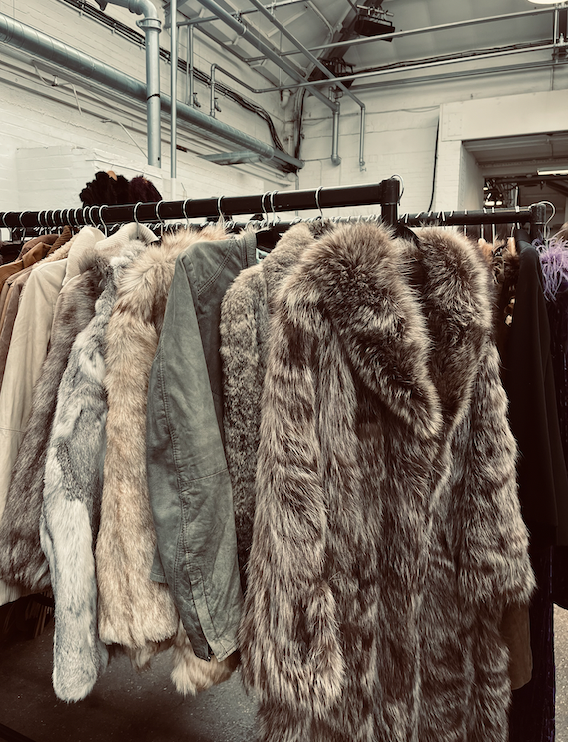
Vintage fur has made a comeback. Once an ultimate symbol of luxury and power, there is now an element of ‘cancel culture’ in the fashion industry over the material due to ethical concerns and consumer pressure.
Since 2017, major luxury brands like Prada, Gucci, and Chanel have been fur-free, removing it from the high-fashion world. However, as people are starting to buy more second-hand clothing, vintage fur is now seen to be a sustainable choice. But is it ethical?
Revival spoke with Lucianne Tonti, a sustainable fashion consultant for The Guardian, as well as industry experts Emma Hakkonson and Joshua Katcher, who shared their perspectives on the ethical and environmental questions surrounding vintage fur.
Does Vintage Fur Align with Sustainable Fashion?
One of the biggest arguments in favour of vintage fur is that “the animal is already dead,” which means it doesn’t contribute to new production. Some view this as inherently sustainable.
Lucianne Tonti states: “Wearing garments that already exist and last for generations is certainly more sustainable than buying new synthetic garments that may only be worn for a season.”
She raises the point that fast fashion is far more of an environmental disaster than vintage fur.
“When we weigh up the harms caused by global warming, degraded landscapes, and the sheer volume of clothing waste created by this industry, it’s clear that focusing only on vintage fur may be missing the bigger picture,” she says.
Advertising and wearing vintage fur may still keep the demand for fur alive regardless of whether it is a sustainable choice. But, could we consider vintage fur as ethical?
Author of Fashion Animals, Joshua Katcher, argues that “fashion is about symbols; sometimes what we wear represents something. When you wear something like fur, it’s a symbol that communicates something that I consider animals to be an acceptable source of fabric.”
Lucianne acknowledges that this issue is subjective: “Since where a person lands on this is dictated by an individual’s personal values, it is up for debate.”
Markets and second-hand shops sell vintage fur as a way to repurpose what already exists. Many argue that the ethical concerns surrounding vintage fur may be outweighed by the environmental benefits, but reducing the demand for new fur and promoting sustainable consumption is deftly leaning into being more eco-friendly.
Lucianne Tonti states, “While there is certainly overlap between animal welfare and sustainability, they are two distinct issues. When we weigh up the harms caused to the environment by global warming and the waterways and landscapes being degraded by fast fashion, I think if we’re focused on vintage fur, we are really missing the bigger picture”
Does selling vintage fur undermine the progress made in banning new fur?
Emma Hakkonson believes that wearing vintage fur risks the idea that fur is seen as fashionable.
“It provides a loophole for the fur industry to continue operating,” she says.
Lucianne also understands how wearing real fur can normalise this idea.
She said that “there is some truth to the idea that wearing vintage fur normalises it and could maybe perpetuate new fur being sold, but even then, I think that’s a long bow to draw.”
This raises the question of whether the presence of vintage fur in the market continues to harm the momentum of anti-fur campaigns or whether it represents a more sustainable choice for fashion enthusiasts.
For those who already own vintage fur and don’t want to participate in the trend anymore, what should we do with it?
While some choose to repurpose their fur, there’s the option to donate .
“I actually used to have a mink fur coat and one of those fur coats from an unborn lamb,” Emma said. “I now have these beautiful photos of those jackets made into beds with orphaned joey kangaroos sleeping in them. It has utility in that sense.”
Joshua Katcher also suggests “donating unwanted fur items to wildlife rehabilitation centres, where orphaned wildlife sometimes will not survive without the feeling of a furry parent. I know that sounds a bit morbid because it’s a fur coat, but when they make bedding out of it, it really can save their lives.”
If you are interested in donating your vintage fur coats to causes that repurpose them or offer sustainable alternatives, here are a few organisations you can consider:
Donate to homeless people, refugees, and people in war zone areas to help keep them warm in the winter months:
Fur Free Alliance offers alternatives to fur and works towards a fur-free future:
Donate Fur for Wildlife: