By Miya Sarana
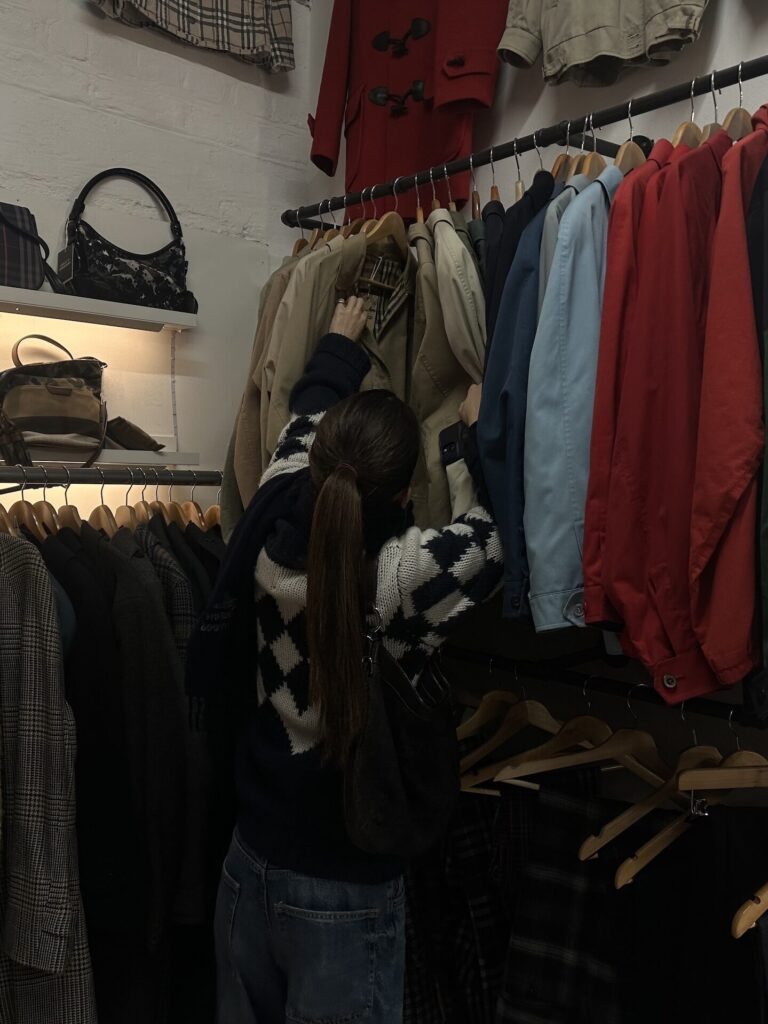
In the past six months, countless fashion influencers and commentators have declared the death of personal style. Everywhere you look, people are dressing alike, and individuality seems to be fading. But what’s to blame? Micro-trends. Platforms like TikTok and Instagram pump out the latest “coolest thing” on a weekly, if not daily, basis, making it nearly impossible to keep up. Have you already got your hands on those leopard print jeans? Oops, too late, it’s cow print now.
Of course, personal style isn’t literally dead. As Mina Le, a popular fashion influencer whose video titled “the death of personal style” went viral, highlights, “The sentiment holds that originality and authenticity are hanging on by a thread in the face of algorithms.” Trends have always existed, but now, in 2025, they feel more inorganic, driven by social media rather than natural cultural shifts.
The Problem with Micro-Trends
One of the biggest issues with micro-trends is their lack of continuity. One week, it’s “mob wife” aesthetic; the next, it’s “cottagecore.” If you buy into these fleeting trends, you’re left with a wardrobe full of disconnected pieces that don’t work together. While micro-trends might help people experiment with different styles, they often lead to a collection of clothing that feels cringy as soon as the trend cycle moves on.
Joanna Karamanis, in her blog The Fashion Psychology, links online shopping behaviour to dopamine release – the brain’s “feel-good” hormone. Buying something new triggers a rush of excitement, particularly when it’s an item promoted by an influencer you like. But as Joanna notes, the anticipation of a purchase creates an even stronger dopamine surge than actually owning the item. We envision what that piece of clothing may bring us, be it confidence, social status, or a feeling of individuality and originality.
Micro-trends essentially act as a shortcut to personal style, offering pre-packaged aesthetics that can be easily adopted. While building a unique personal style is a long, perhaps rewarding process, playing dress-up through micro-trends offers instant gratification.
The Pursuit of Individuality
Anyanna Anako, a fashion commentator for Dazed and The Independent (@fashunadict on TikTok and Instagram), believes that personal style is a relatively new concept, emerging due to the democratisation of fashion. She argues that the ease of online shopping has made a huge variety of style options accessible to everyone. More choices have led to a rising need to feel like you stand out.
“I think the pursuit of uniqueness was definitely propelled by social media,” Anyanna explains, “due to the rapid trend cycles, following trends was automatically deemed ‘bad’ in the fashion community and inherently meant you had no personal sense of style, which started this cycle.” Ironically, while social media, particularly micro-trends, encourages the desire to be different, it often has the opposite effect.
Sajid Bin Mohammad, writing for Purseblog, poses an interesting question: When was the last time you saw someone truly well-dressed in the wild? Someone with an effortlessly magnetic style? To that, I say I do all the time in South and East London.
Voices from the streets
So, let’s hear from the stylish people of South and East London—how they feel about micro-trends and how they build a personal style that sets them apart from the crowd.
Tilda
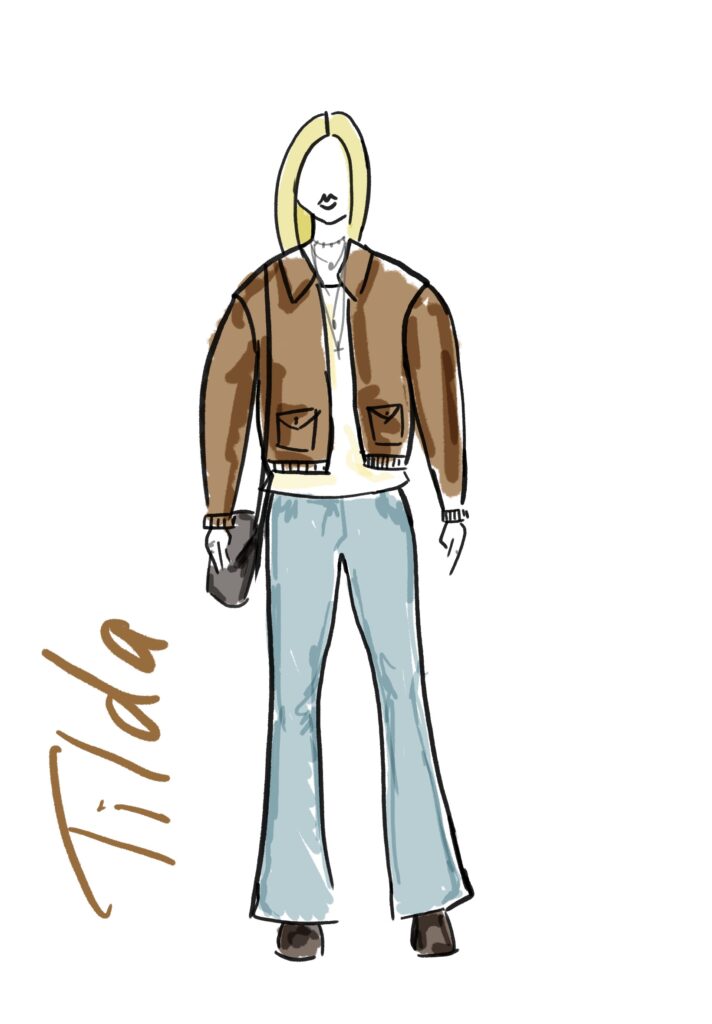
Tilda was dressed in a leather jacket, jeans, boots, and lots of jewellery. And despite it not being anything crazy, she radiated that magnetism, which is why I approached her. She told me she often wears outfits that make people stare, describing her usual style as “something really wacky, like an Afghan jacket and a sparkly scarf.” She laughs and says that I caught her on a “rough day”, when she did not put much thought into her outfit.
Her fashion inspiration comes from music, she especially likes Fleetwood Mac. “70s when I’m feeling happy, ’90s when I’m feeling sad,” she jokes. She used to copy her older sister’s outfits and dress for the male gaze, but once she “stopped giving a fuck” and invested in pieces she genuinely liked, she started feeling more confident in her style.
Tilda admits that micro-trends helped her understand what she likes, but she no longer follows them. She says that trying to fit in with what’s trending is overwhelming and unsustainable, both environmentally and financially. More importantly, she doesn’t feel that they are inclusive of her body type.
Becky
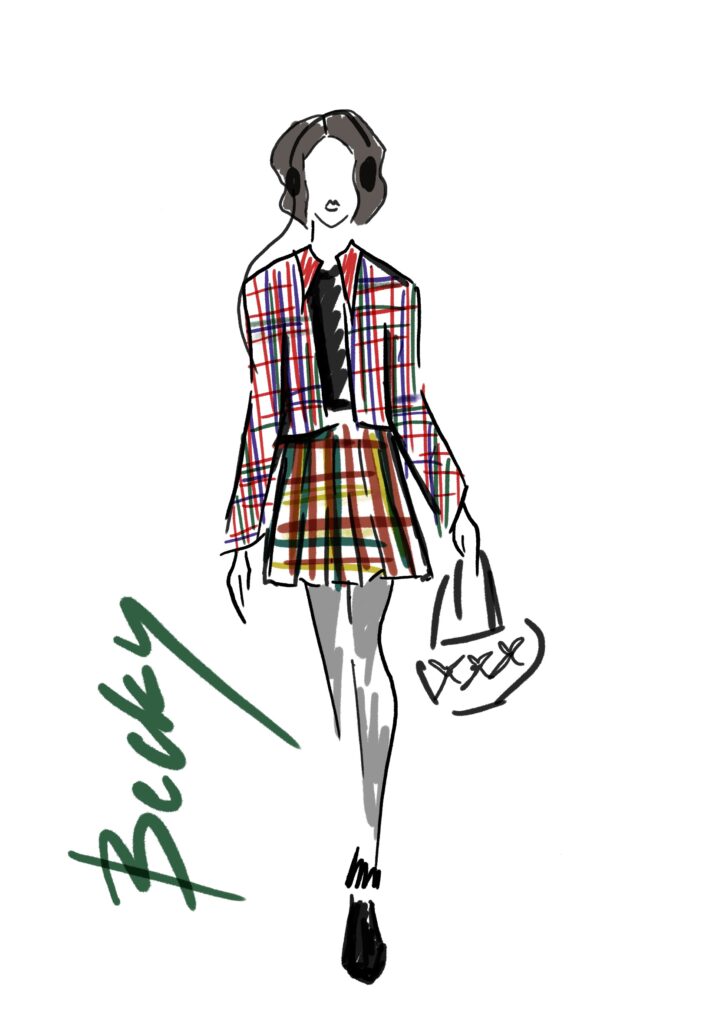
Becky stood out in a tartan jacket and skirt, two separate pieces so perfectly paired that they looked like a matching set. Chunky black boots and a pair of headphones completed her effortlessly cool look.
Her mother, a fashion designer, was a huge influence on her style. She gravitates toward kitsch aesthetics and “tacky, ugly, and flashy clothes.” She also draws inspiration from old music videos and drag queens. “It’s just about being a little bit extra,” she explains. “I know it’s cliché, but being a bit extra is the goal.” She can see people on the streets judging her sometimes, and when it gets to her, she remembers a phrase her friend said to her once to help deal with judgment: “You just need to say in your head, you’re welcome. I brought some colour to your day, something different.”
Despite her distinctive style, Becky isn’t immune to micro-trends. She shows me a Y2K-inspired bag she just thrifted. She often leans into styles from decades that are trending, but her main goal remains to keep it extra.
Mickey
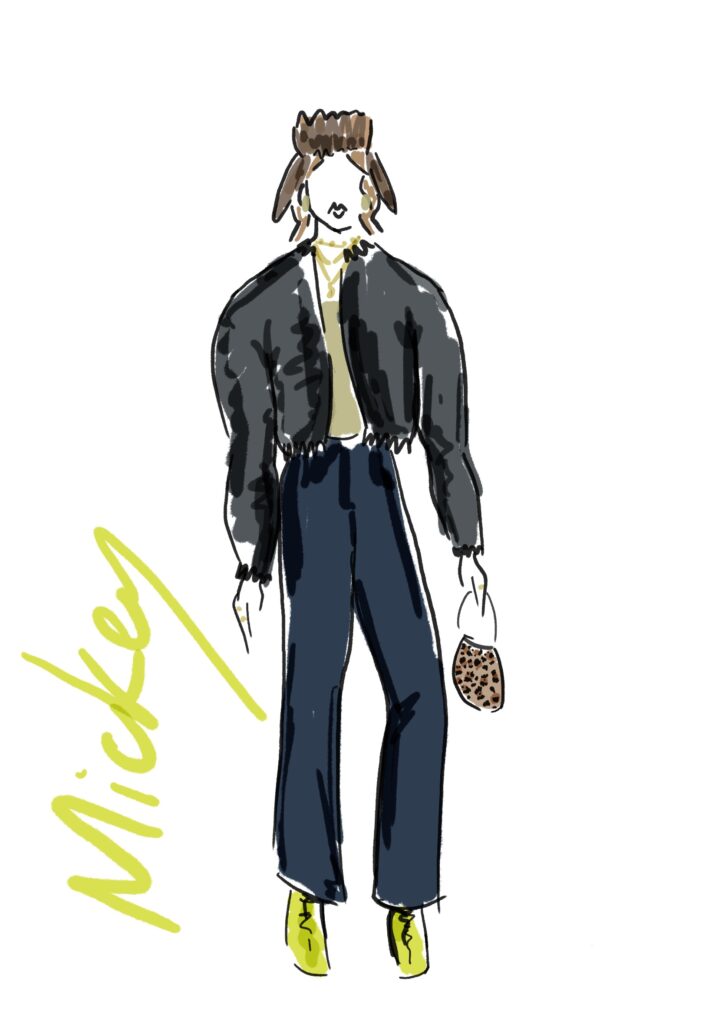
Mickey embodied the classic South East London look – an oversized jacket, trendy sneakers, and bold accessories. Despite looking quite trendy, she stood out because her outfit was so perfectly executed. She draws fashion inspiration from her friends, many of whom work in fashion, and from her family, who she recalls always having been well-dressed while she was growing up. She looks at men’s fashion as well as women’s and adopts elements of both.
Mickey embraces trends: “I like to look good and relevant to the times,” she tells me. But she emphasises the importance of staying true to your own style. “It’s frustrating when everyone is wearing the exact same thing. Like, no, be unique! Be yourself. Take on trends, but make them your own.”
Our verdict
Individuality isn’t a dying art, as some suggest, at least not in South and East London. While micro-trends are often criticized as the worst thing to happen to fashion, they can actually help shape or contribute to personal style. However, mindful consumption is key. Thinking carefully about what truly works for you before buying ensures a more sustainable approach.
The real challenge today is maintaining a sense of self in an era where algorithms push conformity, even if that conformity is to being ‘uniquely individual.’ A true paradox. Ultimately, personal style should be about confidence and wearing what makes you feel good.
“The best personal style is what makes you happy and feel most true to yourself,” Anyanna says. “This can mean following trends, referencing past designs, or drawing inspiration from outside the fashion industry. The whole point is that it’s personal.”