By Olie Ma
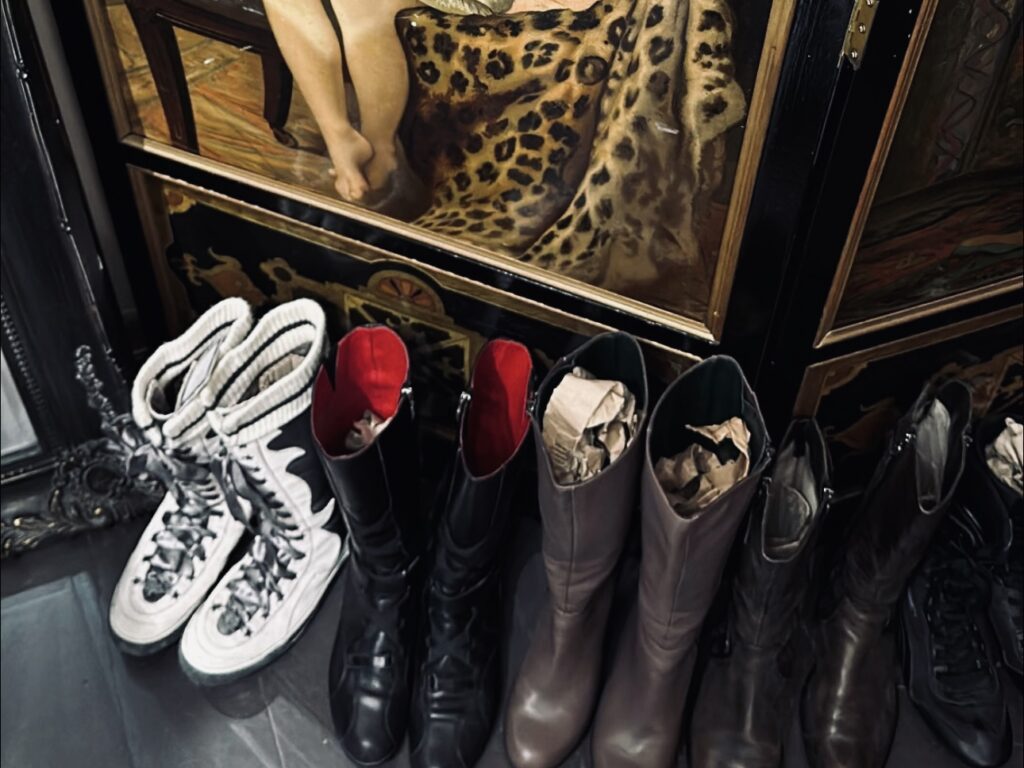
Sundays in East London are always bustling, particularly on Brick Lane, the so-called “heart of vintage,” where the streets hum with excitement. Stepping into Brick Lane, the subterranean arcade feels like a vintage museum.
Each boutique seems to speak its own language, with shop owners curating their pieces like authors crafting stories. Using each item of clothing to express their perspectives on life, history, and the world. Customers aren’t just merely shopping, they’re searching for stories that resonate with their own. Among the crowds, there’s one group of people who stand out. The owners of the vintage fashion boutiques with their own unique demeanours and diverse fashion choices.
So what draws us to these shops? And what identities and values are encapsulated in the garments we choose to buy. Through conversations with two vintage shop owners, I felt I had lifted a corner of the veil shrouding the mysterious world of vintage markets.
Tina and Her Granny Squares
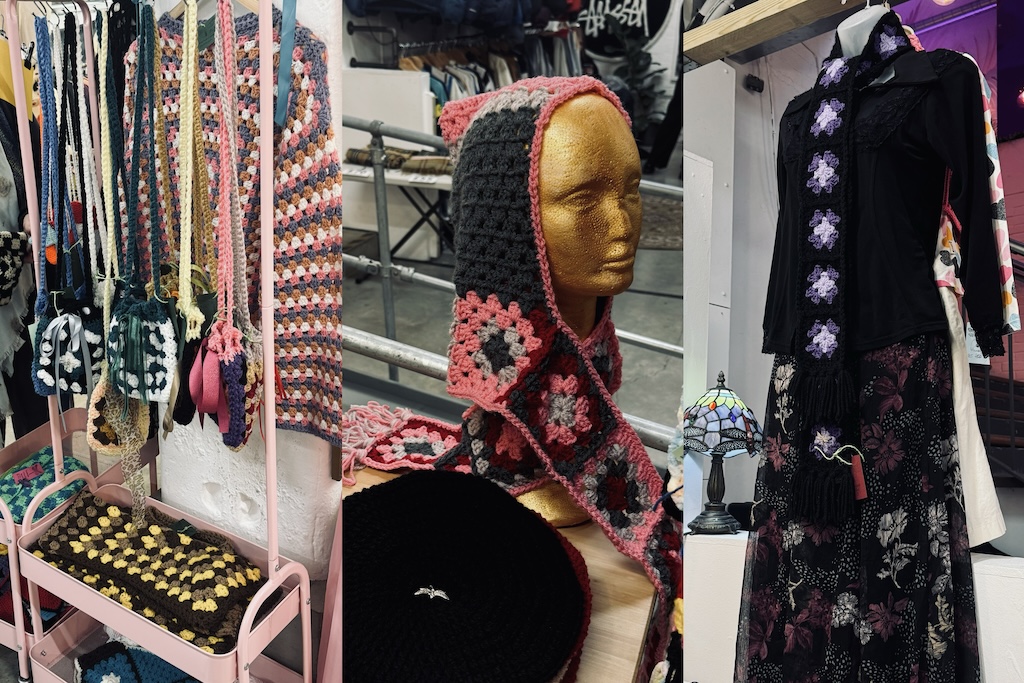
Strolling down Brick Lane, I came across TINADRAGONFLY’s shop. Sitting in a corner of the shop was a middle-aged woman with pink, silvery hair surrounded by a ball of pink-and-purple wool. She immediately caught my eye. Her name is Tina, the owner of this store. Her square patterns are known as “granny squares.” In the 1970s Britain, women would crochet unique scarves and hats in their back gardens or living rooms for their children. “Handmade clothes are always the most precious because every strand of wool contains love,” Tina reflects. “When I was very young, my grandmother first placed crochet needles in my hands. She taught me how to choose colours, feel the texture, and give life to each piece.” Now, such patterns and crafts are no longer as popular or common.
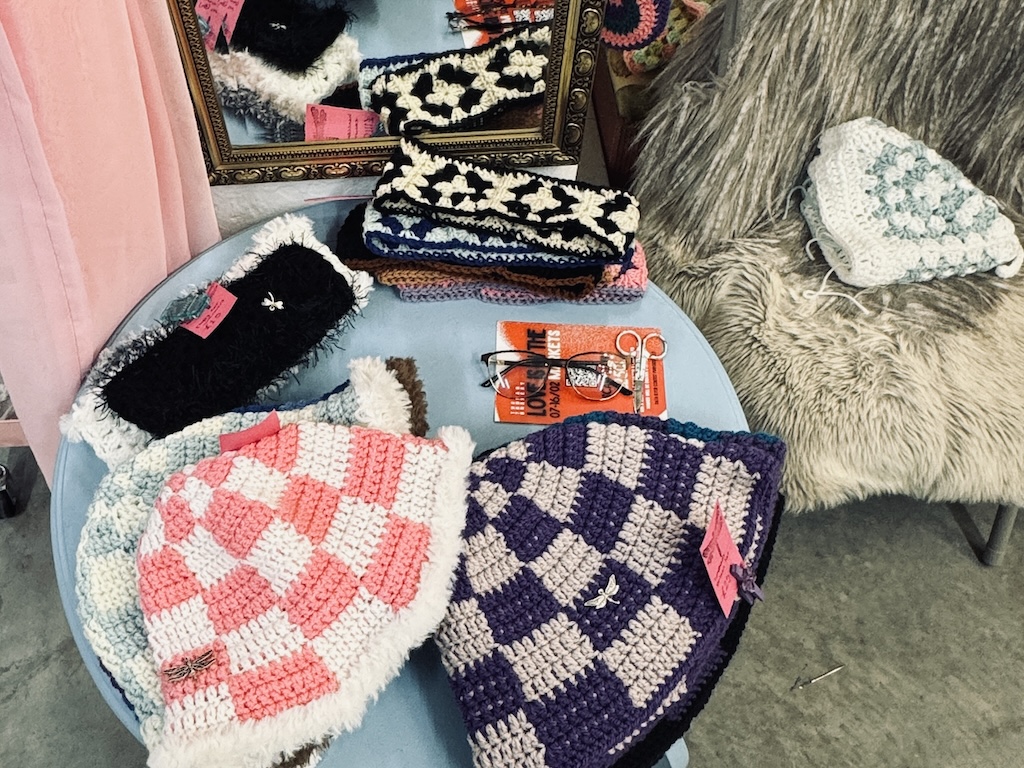
“Actually, my daughter runs this shop with me,” Tina continues. “If you come tomorrow, you’ll meet her-she’s as young as you.” Her daughter Sophie also loves this “handmade fashion” and keeps the tradition alive with a contemporary twist, creating items like bikinis or uniquely styled chokers. Sophie has even launched the shop’s social media accounts, shaping a distinctive aesthetic and fostering a new fashion sensibility.
Tina mentions that she doesn’t particularly follow current trends; instead, her selections reflect a deep nostalgia for the “golden era ” of the seventies—a period symbolising diverse aesthetics and freedom of expression. She also chooses distinctive items from friends’ vintage stores, pairing them with her own crocheted hats, scarves, vests, and jumpers. For Tina, this practice is both a manifestation of her personal style and a nostalgic tribute to vintage fashion.
Najia’s GIA—Dressed in Sunshine
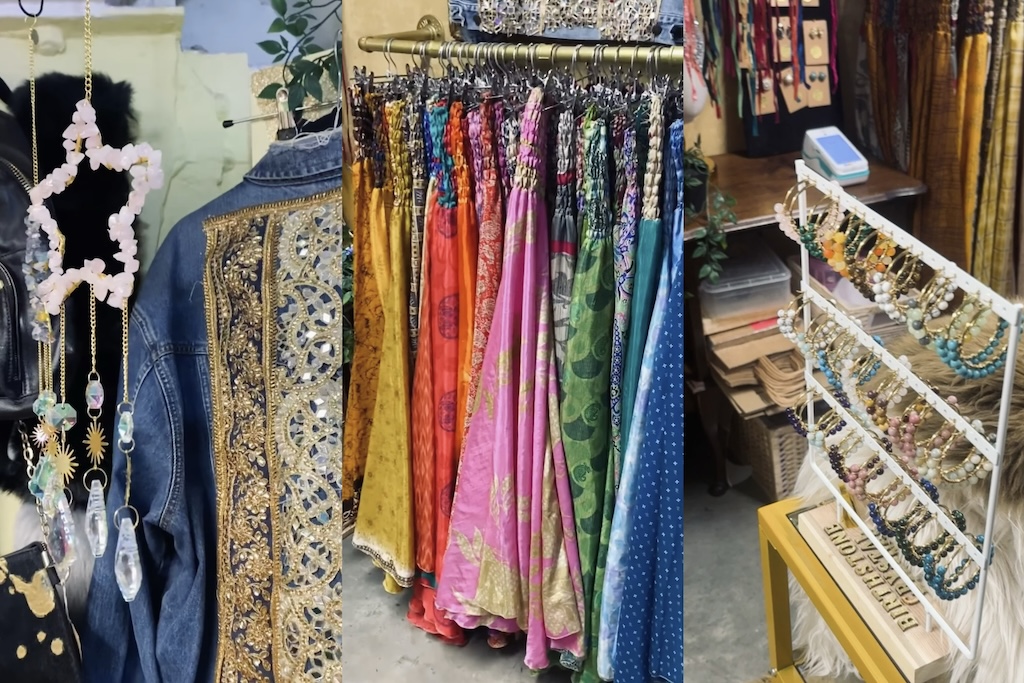
In a boutique called ‘GIA LONDON,’ Najia stands in a beautiful silk gown paired with intricate Indian embroidery shimmering gently in the sunlight. Upon entering Najia’s boutique is surrounded by a bright, vibrant atmosphere. Although the shop is small, it radiates warmth and colour from the tastefully picked garments hanging around. Here, my trench coat and jeans feel out of place, as if I’ve stepped into an entirely different world.
Najia notices me, and our eyes meet. Every element of her outfit is bursting with colour. She’s wearing a green silk skirt patterned with pale yellow flowers and vines. Her sleeves and skirt edges are adorned with intricately colourful designs; each patch of fabric is introduced by a new colour, blending harmoniously to create a stunning ensemble.
Najia explained to me that she grew up in London, but her parents were from India. Her dual nationality and cultural identity gave her a profound appreciation and love for multiculturalism from a young age. “The name ‘GIA’ comes partly from my nickname ‘G’ and partly because ‘GIA’ means ‘alive’ in Hindi,” Najia explained, her eyes sparkling warmly. “The name serves as a reminder to me that wherever I am, I should always cherish life.”
The selection of items in her boutique is exceptional. Distinctly lacking denim jackets or western leather pieces commonly found in mainstream vintage stores. Instead, she meticulously displays ethnic garments collected from around the world. Najia has always been passionate about this, dedicating her shop to searching for what she calls “lost beauties” across regions such as South Asia, Central Asia, and North Africa, particularly India, Pakistan, and Egypt. She brings these unique textiles and accessories back to London, where she transforms and revitalises them. For Najia, this process is not about altering clothing; it’s about raising awareness for ‘slow fashion’ and sustainability through cultural garments.“I want everyone who wears clothes from my store to feel the stories behind them,” Najia said. “These garments represent more than beauty—they embody a sense of ritual and cultural heritage. People have been lost in the fast fashion wave for too long. I want them to realise that certain styles can be timeless, that some aesthetics never go out of fashion, and everyone deserves their own unique kind of beauty.”
Najia’s boutique might be small, but her Eastern and Western cultures intertwine, and her personal story is woven into the textures and patterns of each garment. As I stepped out of GIA LONDON, Najia’s words lingered in my mind: “If I had to describe my store in one phrase, it would be ‘dressed in sunshine.’ Everyone deserves the chance to bloom under the sun.”
When I talked with Tina and Najia about how they viewed their businesses, their answers, though vastly different in style, unexpectedly revealed a shared understanding.
For Tina, running a vintage and handmade craft boutique is far more than just a job; it’s about continuing a warm cultural tradition. Rather than deliberately catering to current fashion trends, she prefers customers to experience family, memories, and warmth through the handmade “granny square” crochet pieces. “I’m not doing this purely for business; it’s also out of love,” Tina explained softly.
Najia openly acknowledged that niche ethnic fashion isn’t necessarily the most profitable choice, but she has never felt this was a compromise. “I know these clothes aren’t for everyone, but I’m not trying to please everyone,” she said gently but firmly. “My aesthetics and clothing have their own audience here. Honestly, I’m not worried about not being appreciated.”
Both women face pressures from mainstream fashion, yet they choose to embrace niche aesthetics. This commitment isn’t stubbornness but rather a profound dedication to their own aesthetics, cultures, and values. Patrick, a consumer psychology lecturer at the London College of Fashion, believes that “Vintage shopkeepers do far more than simply buy and sell clothes—they express themselves, convey values, and share their unique understanding of beauty.” As Patrick Fagan understands, “Consumers choose vintage precisely because they trust and admire the authenticity and passion that these store owners embody.”
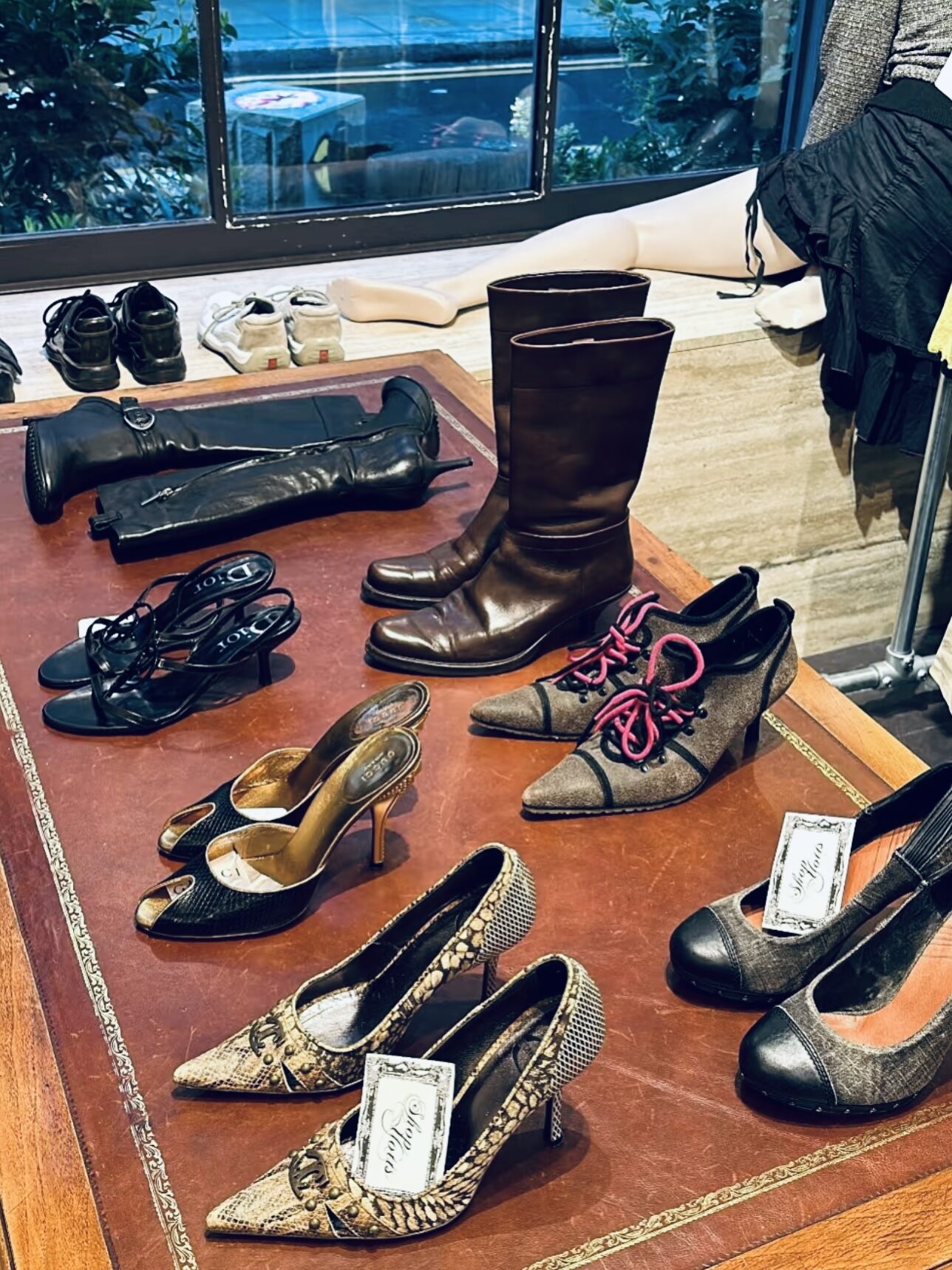
Here, commercial success may no longer be the sole measure of a store’s worth. Presenting their authentic selves is their proudest and most satisfying choice. Patrick Fagan explains: “People’s fascination with vintage stems from the fact that it’s not merely clothing, but rather an emotional attachment. Vintage fashion helps people form emotional connections—it offers them a sense of sentimental comfort and security. It transcends mere garments, becoming an emotional anchor.”
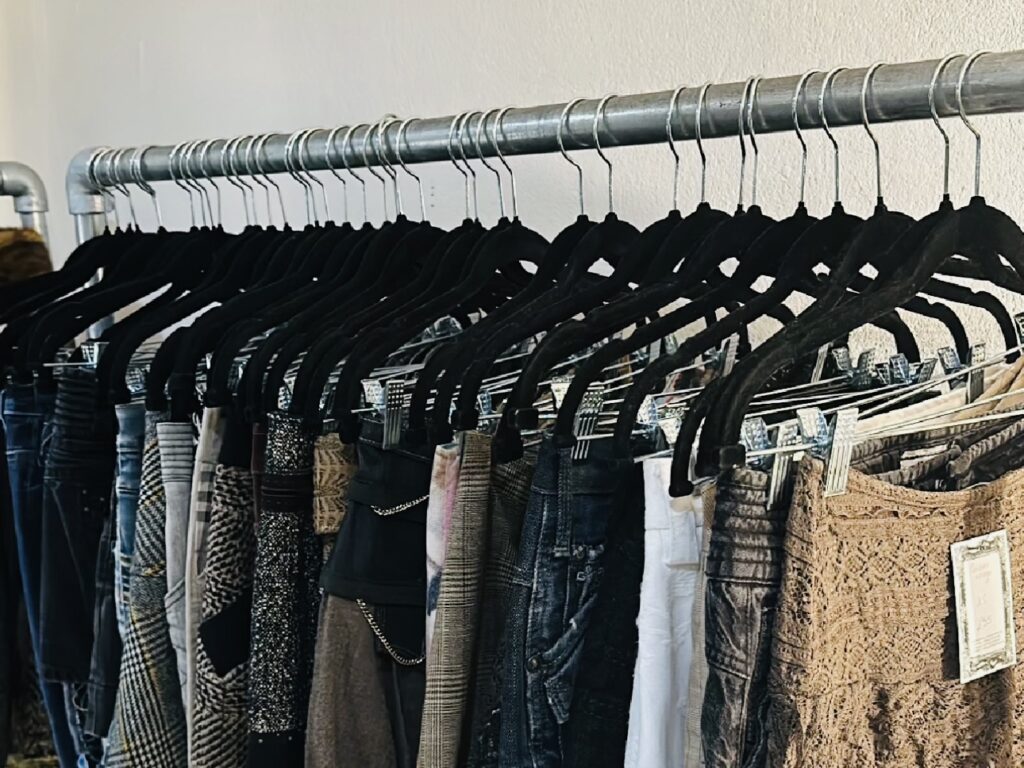
Perhaps, when stepping into these vintage shops, we’re searching for something more than just clothes. We’re seeking fragments and resonances scattered across time. When you slip into a garment that has history and culture, you’re also wearing someone else’s story and experiences. And it’s precisely these garments, meticulously chosen by shopkeepers, that create the subtle connections we carry between past, present, and future.