Fatma Fedai
A beat, a chorus, a few seconds of a sound: viral audios are becoming the soundtracks of political movements
From videos about racism set to Cynthia Erivo’s Stand Up to anti-capitalist edits soundtracked by Alan Cumming’s Money — movements are developing distinct sonic soundtracks that use audio to call in their supporters. Even Charlie Kirk has been given his own song, with his fans circulating We Are Charlie Kirk as a form of political identification. Some sounds have become so political that TikTok removes them altogether.
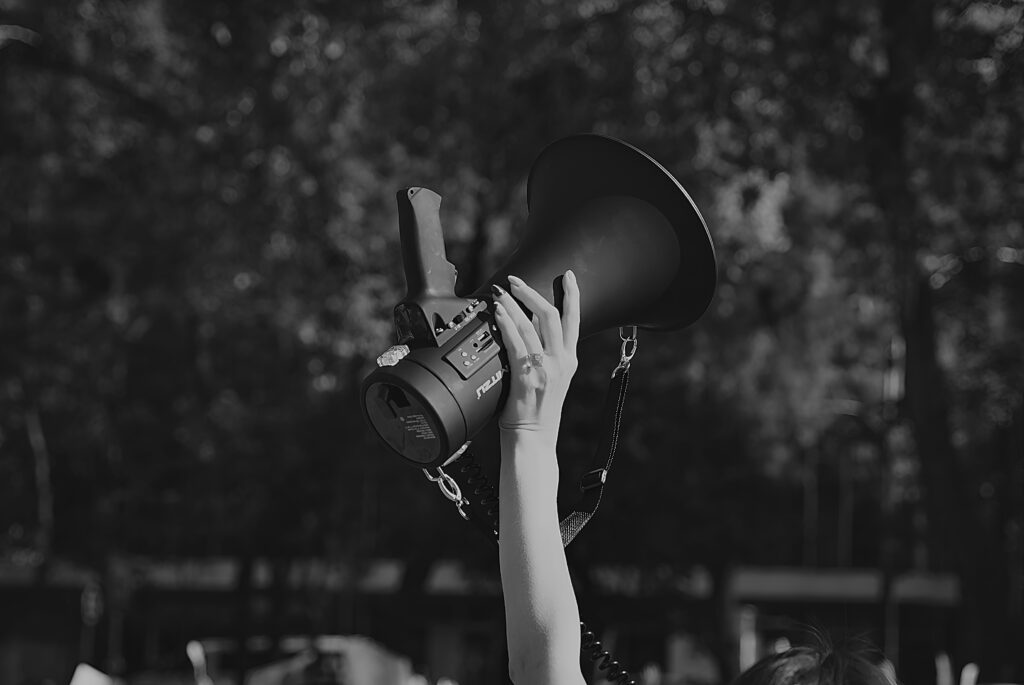
Political movements aren’t just marching anymore — they’re trending. Sound now travels further than a march and faster than a chant, circulating across algorithms within seconds. On sound-driven platforms like TikTok, a song can signal allegiance before a viewer even registers the visuals. With increasing controversy, some sounds are becoming new forms of political expression — sometimes pressing “use sound” is enough to take a side.
The impact of what these songs signify can be seen through many movements. One of the most viral examples is Paris Paloma’s Labour, which has become closely associated with feminist conversations online. Esmé Nickerson, a long-time fan of Paris Paloma, shared the impact the song has had on her through the artist’s official Discord Community called The Cacophony. “Labour has come to embody certain subjects within the feminist movement incredibly well,” Nickerson explains – further describing the song as painting a picture of a woman’s anger at the invalidation of every effort given. “The song deeply resonates with many.” She says it captures a frustration many women recognise.
But what makes certain songs so memorable for people? Music and Performing Arts Professor, Ethan Hein, who teaches music education at New York University explains that constant circulation is an essential part for how songs become politically effective. “Repetition is a baseline for anything to be popular,” Hein says. “A song has to be memorable and easy to sing or chant,” he explains — emphasising on the lasting effects audio must have. In digital spaces, where sound is endlessly replayed, memorability turns a song into shared language.
“Songs are the soundtracks to our lives, music anchors us to feeling”
Whilst audiences connect with these audios by listening to and using them, others create the audios tailored to specific causes — an example being Tatyana K Ceant, who more commonly goes by YANA the artist. With over 110,000 TikTok followers and five million streams, Yana gained traction on TikTok for her music using her platform to support global causes. Her most viral song, Abusin’ Me, has been used in over 200,000 videos as a fundraiser for the Democratic Republic of Congo, with donations going towards Friends of The Congo.
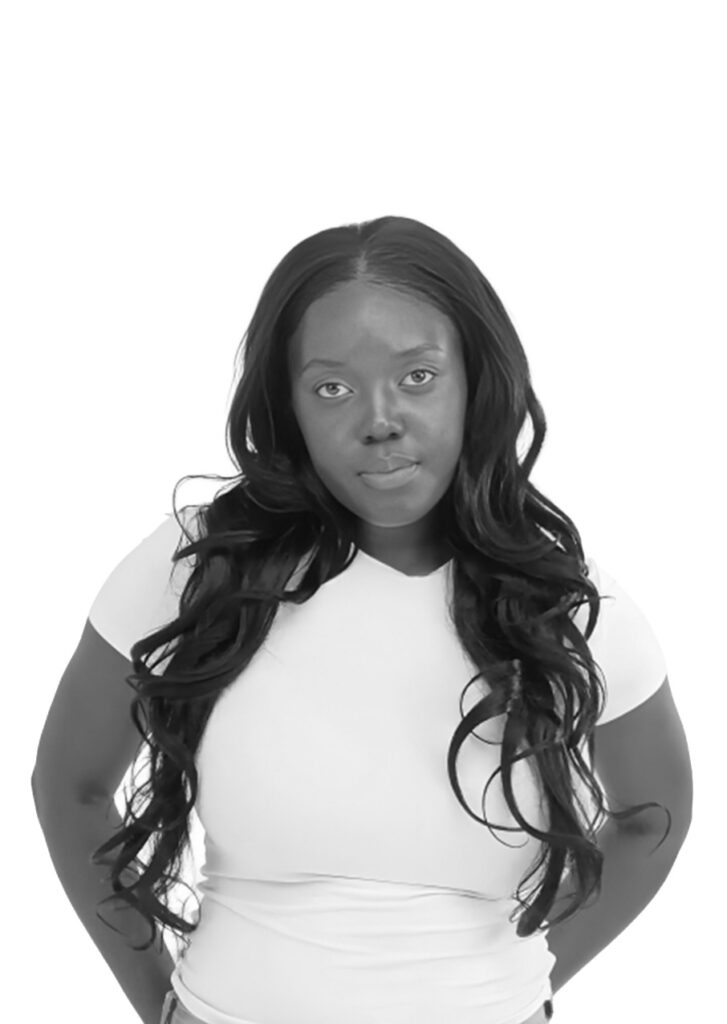
“When people use my songs, I hope they feel empowered to create more innovative ways to help others,” says Yana. She explains how she wants people to feel optimistic about the current crises taking place in the world. However, whilst Yana tries to spread these audios for the benefit of certain movements, she has faced censorship and restrictions. “A few platforms attempted to remove me from streaming altogether, but I threatened to sue,” she says, also adding that people have had their videos taken down after using her songs. Yana says how this censorship proves she has “done something right”.
The censorship of Yana’s music raises many questions — is audio becoming increasingly political? Audio’s political influence is driven by what it represents. Yana explains how she herself believes movements develop recognisable sounds online. When thinking of powerful social movements, she says she thinks of songs like A Change Is Gonna Come by Sam Cooke and even controversial ones like Don’t Care by Sweet Micky. “Songs are the soundtracks to our lives, music anchors us to feeling,” says Yana, explaining that online it looks like viral videos which use songs that confront difficult topics. “Just hearing one of my songs, or any others who use art to make a difference, reminds listeners to care about major issues,” she emphasises.
Research in political communication argues that music functions as a form of political messaging. In Music and Politics, scholar John Street explains that when audiences repeatedly hear a song linked to a movement, they’re engaging with more than melody — they’re interacting with its politics.
As more political debate moves online, sound is no longer just background. Audios take on a new speed in announcing a movement without outright speech but rather as symbolic sound. Sound is shaping how movements form, spread and survive. As Paris Paloma told NME: “As a person, you’re quite small, but songs can become very big.”