
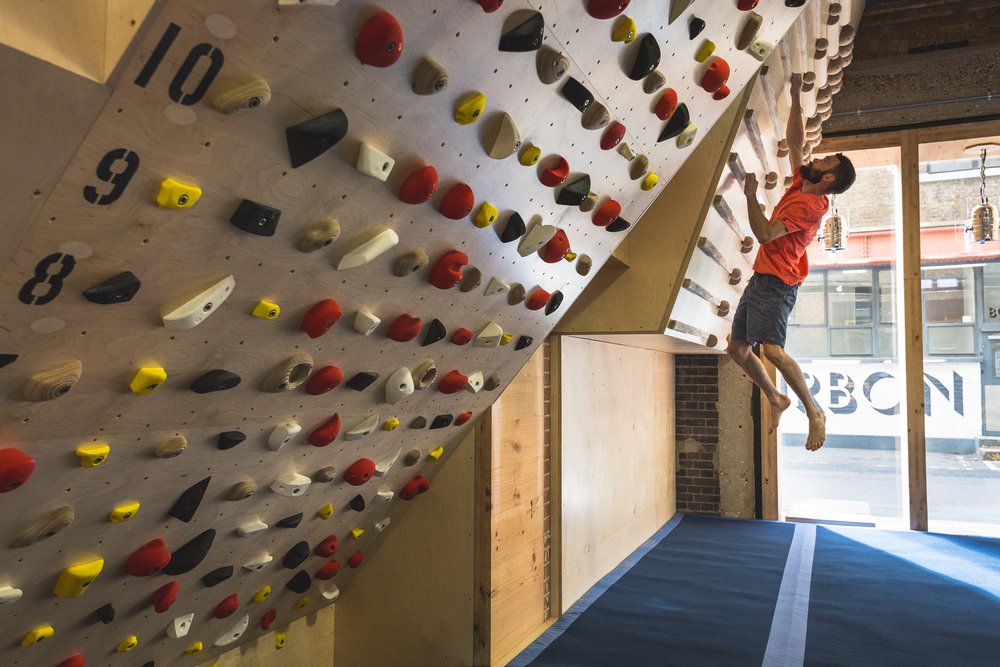
Today social media plays a big part in the everyday lives of most people from all age groups. Facebook is an app most popular within Millennials and Generation X but since the birth of TikTok Generation Z has been under the thumb of their phones ever since. For a generation born into a time where technology had begun to take over, Gen Z now faces a different reality living life in a digital age which has proven to contribute to the surge in mental health issues.
It is noticeable that young people today appear to lack confidence and struggle with self-doubt; according to a Sky survey a third of young people like confidence – with some blaming social media. Young girls in particular seem to struggle with confidence issues and this could point to the detrimental beauty and body standards plastered all over social media by social media beauty influencers. Of those interviewed by Sky, only 60% of girls said they felt confident compared to 60% of boys. Meanwhile 37% of 14-17 year olds said they could be more confident online than in real life. The online world is a place full of cyberbullying where sexist, homophobic and racist abuse is not hard to find in the comment sections of videos, particularly on apps like Youtube and TikTok. This story aims to encourage a generation born into technology to disconnect the wifi and reconnect with the real world.
Rock climbing is a sport that has gained increasing popularity in recent years.
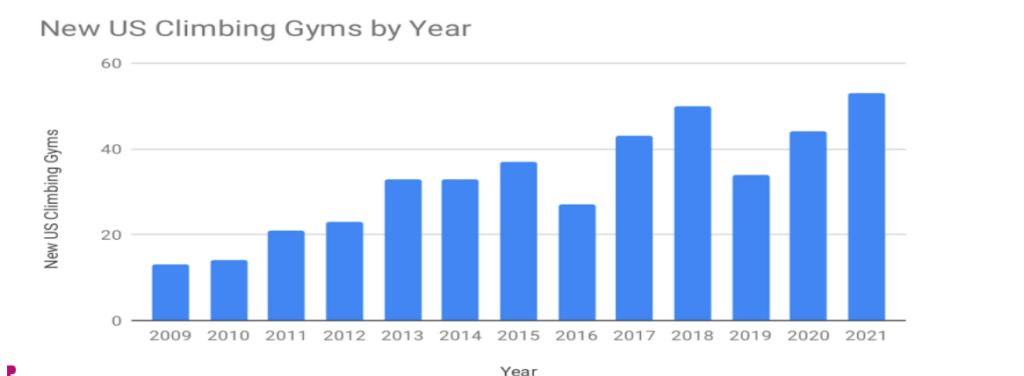
While it is known for being a physically demanding activity that requires strength and endurance, it also offers benefits for mental health. In fact, research has shown that rock climbing can be a powerful tool for improving overall well-being. To learn more about how rock climbing can boost mental health, I spoke with Jacob Hensley, an experienced rock climber who has been climbing for 4 years and has competed in various tournaments.
According to Jacob, one of the primary benefits of rock climbing for mental health is its ability to improve focus and concentration. “When climbing, you have to be fully present in the moment and can’t afford to let your mind wander. This requires a high level of concentration, which can help improve cognitive function and reduce stress and anxiety.” In fact, studies have shown that mindfulness-based practices, such as those found in rock climbing, can be effective in reducing symptoms of depression and anxiety. Rock climbing reduces stress by increasing levels of norepinephrine, a neurotransmitter in the body that aids in releasing stress. Climbers oftentimes become immersed in the flow of the activity enabling them to become consumed in the activity of reaching, climbing and leaping, creating a sense of ecstasy. Jacob believes it has been a great way to manage his stress and anxiety. “When climbing, they have to focus all of their attention on the task at hand, which helps them forget about any other worries or concerns they may have. Additionally, when they are able to complete a challenging climb, it gives them a sense of pride and accomplishment that can boost their mood and overall mental well-being.”
Jacob also says “In addition to improving focus and concentration, rock climbing can also be a great way to build confidence and self-esteem. Climbing is often a challenging activity that requires you to push yourself outside of your comfort zone. When you’re able to complete a difficult climb or reach a new height, you feel a sense of accomplishment and pride in yourself. This can help combat feelings of depression or low self-worth.” Furthermore, rock climbing can be a social activity that can help build connections with others and create a sense of community. “When you’re working together with others to achieve a common goal, it can help build strong relationships and a support system. Climbing gyms often offer opportunities for group climbs or classes, which can be a great way to meet new people who share similar interests.”
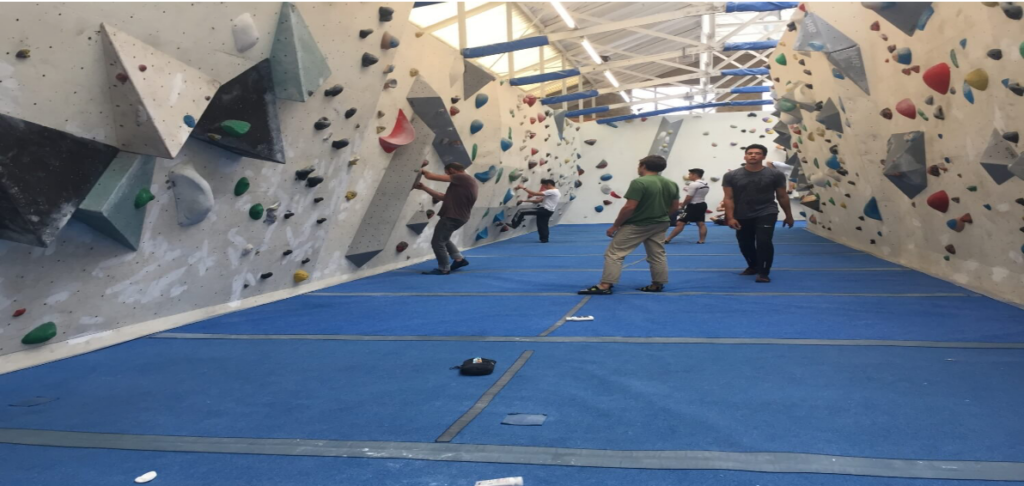
For those who are interested in trying rock climbing for the first time, he advises “take it one step at a time and don’t be too hard on yourself if you’re not able to complete a climb right away. Climbing gyms often have staff members who are trained to help beginners get started, and the challenge of pushing oneself outside of their comfort zone can lead to personal growth and development.” Rock climbing offers numerous benefits for mental health. By requiring focus and concentration, building confidence and self-esteem, and providing opportunities for social connection, it can be a powerful tool for improving overall well-being. Whether you’re a seasoned climber or a beginner, incorporating rock climbing into your routine can be a great way to support your mental health and well-being.
Rock climbing could be a great sport for Gen Z to take up for several reasons. Firstly, it offers a unique combination of physical and mental challenges that can help improve focus, concentration, and cognitive function, which are especially important in a world full of digital distractions. Additionally, rock climbing provides opportunities for personal growth and development, building confidence and self-esteem through accomplishing difficult climbs. It also offers a social aspect, allowing climbers to connect with others and build a sense of community. Finally, rock climbing is an eco-friendly and sustainable sport that aligns with Gen Z’s values of environmentalism and sustainability. Overall, rock climbing can provide a fulfilling and rewarding experience for Gen Z looking to stay active, challenge themselves, and connect with others while supporting their mental health and well-being. Studies have shown that Gen Z have proven to have the lowest physical participation rates compared to other generations – Which aligns to studies that have also shown Gen Z to suffer the most with mental health issues such as depression and anxiety. Jacob Hensley has shown how community based sports such as rock climbing should be encouraged for young people in particular.
The Arch in Bermondsey (where Jacob works) offers a fantastic student deal where you can have access to the facilities for however long you like for just £5 on Mondays and Fridays and is an excellent place to put the phone down to socialise, exercise and de-stress.