The six best books for budding foragers this summer
Here at Briar we have spent a lot of time reading books to get to grips with the world of foraging, here are our favourites!
Sponsored post: Briar partners with individuals and brands who share our passion for the planet and its people.
Getting started on your foraging adventure can be a little scary at first. Like any new activity, knowledge on the topic comes gradually but it can be a joy to learn. If you ask any well-seasoned forager how they picked up the tricks of the trade they will say… books!
Reading up on plants and animals makes sure you are armed with the knowledge you need to safely identify what’s in front of you, and even if you’re using it to learn instead of eat in the beginning, books are a great place to start.
So without further ado, here are our six favourite foraging books to keep you company out on the trails.
6
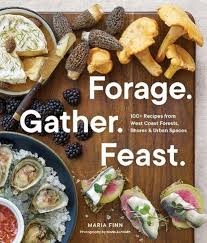
Forage. Gather. Feast. by Maria Finn
WHSmith (£23.91)
If you’re looking to branch out to the US for some tasty picked plant inspiration, look no further than Maria’s an inventive cookbook using her foraged finds. From Alaska to California, she explains all that can be found when out on a hike and the adventurous ways of cooking them. A notable example is her recipe for Black Truffle Pot de Crème with Preserved Sakura Cherry Blossoms – a surefire way to show off your foraged ingredients.
5
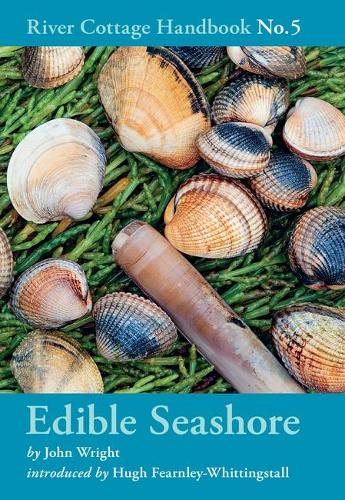
Edible Seashore by John Wright
Waterstones (£18.99)
Foraging legend John Wright has covered all things edible outdoors, this time focusing on the coast. Highlighting all seashore foraging issues from conservation and ethics to food poisoning – this is for the forager with access to the seashore and is looking for a challenge. If you have explored the forests and wooded grasslands this book will help you try your hand at shellfish and seaweed.
If the waves are calling, this is the book for you!
4
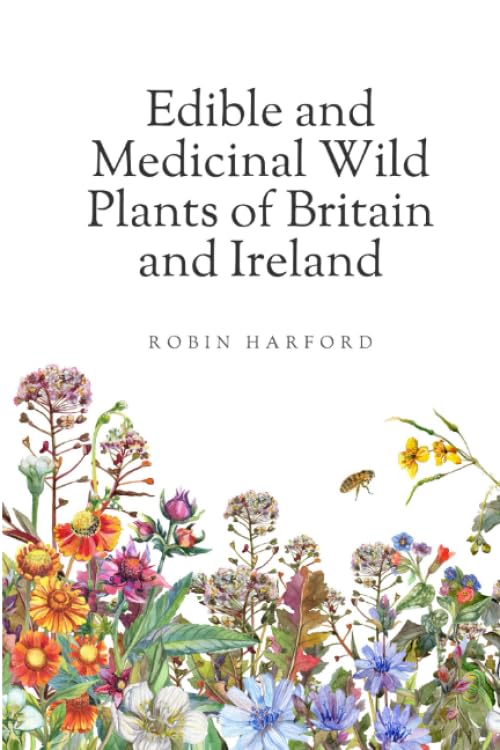
Edible and Medicinal Wild Plants of Britain and Ireland by Robin Harford
Eatweeds Press (£14.99)
Robin Harford covers the medicinal side to foraging in this book. It is slightly shorter, covering 48 different plants that are edible but mainly for medicinal purposes rather than a tasty treat – although that often goes hand in hand.
He is careful to offer descriptions, pictures and nutritional information of the featured plants and how they can be used for different ailments. It is also a good history book for how these plants were used throughout time. Learn about the healing properties of wild garlic, yarrow and the common nettle.
3
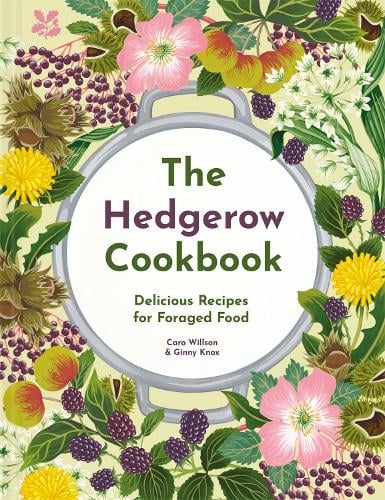
The Hedgerow Cookbook by Caro Willson and Ginny Knox
Waterstones (£12.99)
For those that are looking to perfect their foraged recipes, this is a cookbook full of treats that can be found in the great outdoors. Alcoholic drinks, jams, cakes, full main dishes and cordials, you can find it all flicking through each delicious page.
A good upgrade book for those who feel confident identifying certain plants and want to improve their culinary skills in partnership with foraging skills.
2
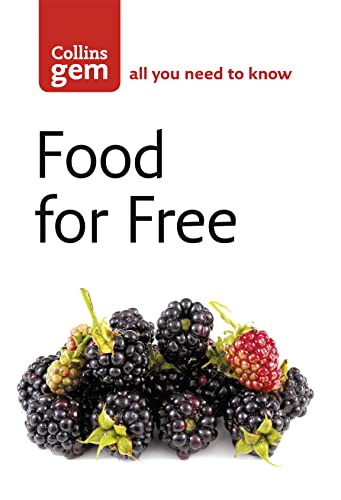
Food for Free part of the Collins Gem series
Waterstones (£5.99)
Small and compact enough to be easily carried on long walks in the wilderness, this is the go-to pocket guide for those who are worried about identification of edible plants out in the field.
As you can tell by the title, this book is focused on foraged finds you will be eating, encouraging newbies to find more food for free around them. It contains over 100 edible and easy-to-identify plants, with full illustrations and descriptions. Recipes are also included to help inspire you if you find something you’ve never cooked with before.
1
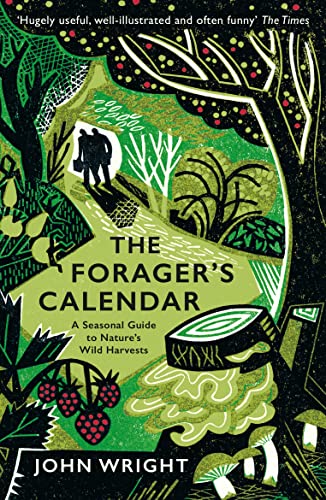
The Forager’s Calendar by John Wright
Waterstones (£14.99)
Coming in at number one, a personal favourite at Briar. The Forager’s Calendar is a neatly packaged foraging book that contains month by month guides to get you started. John Wright provides insight each month about what can be found and how to identify, store and cook it all.
It has full, beautiful illustrations throughout to make identification easier. He also offers tips and tricks on the best kit to buy, how to stay sustainable while snipping your finds and what is best to avoid as a first-timer.
The ultimate book for aspiring foragers looking for a detailed guide year-round – from fried ants to delicious fruits.