Is climate change affecting foraging?
Climate change-related droughts are on the horizon, will this affect the foraging calendar?
From extreme drought to freak rains, climate change is an added concern for foragers
Multiple new studies have suggested that climate change in the Northern Hemisphere is affecting foragers’ chances of finding food in the wild.
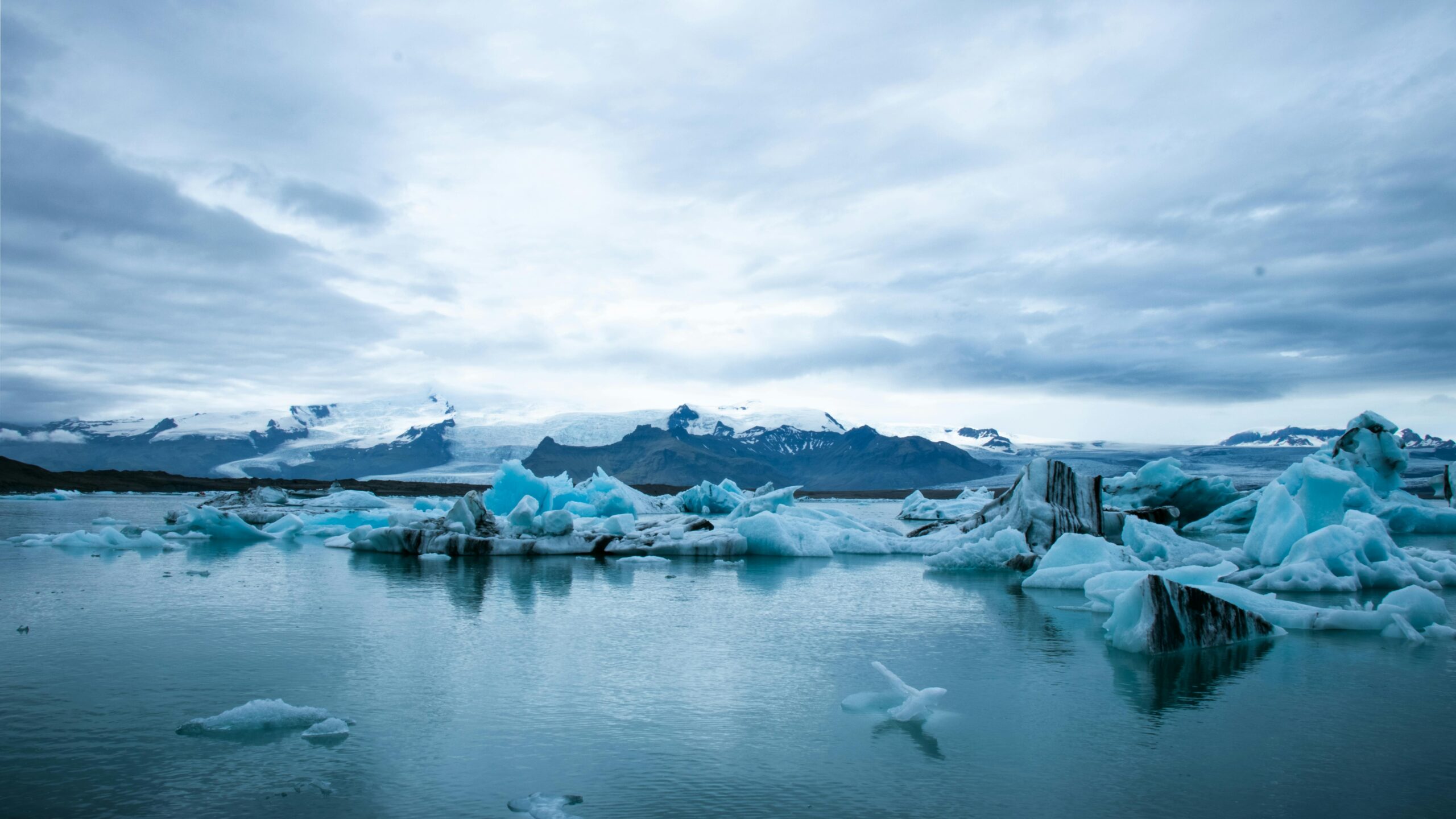
Researchers at the University of Bristol’s Faculty of Engineering released a study last week showing a link between declining snowfall and changing seasonal patterns of streamflow (the volume of snow moving from mountains to rivers below) throughout the Northern Hemisphere. This will likely boost the chances of water shortages in the summer.
Analysing climate and river flow data for more than 3000 river basins across the Northern Hemisphere from 1950-2020, the team found areas that are usually snowy in the Rocky Mountains of North America, the European Alps and northern Europe, are thawing prematurely as the earth warms.
Lead author of the study, Dr Ross Woods, explained the impact this would have on food resources: “Streamflow seasonality affects the temporal distribution of water resources and has wide-ranging implications for ecosystem functioning, food security, and natural hazard management.”
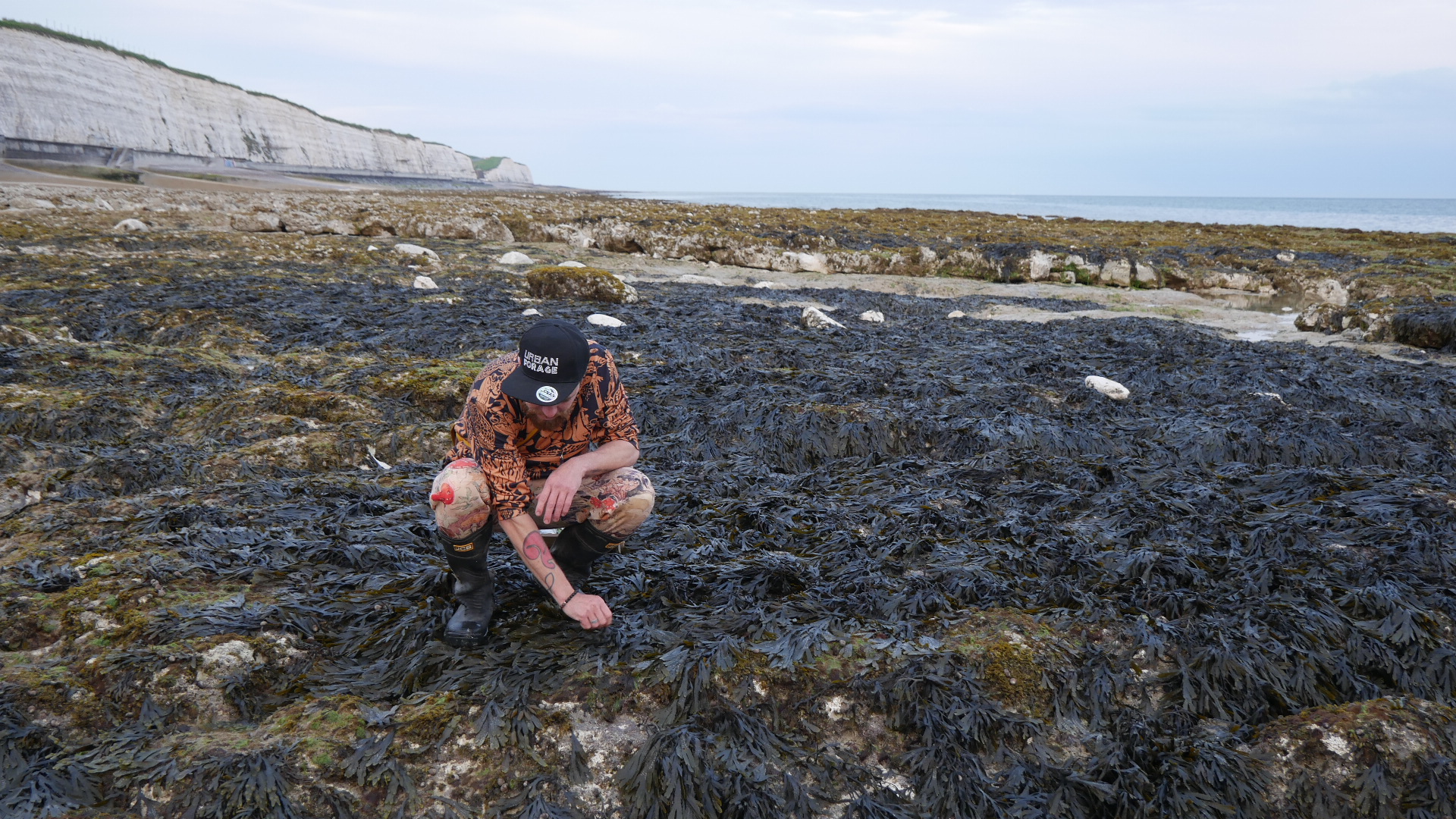
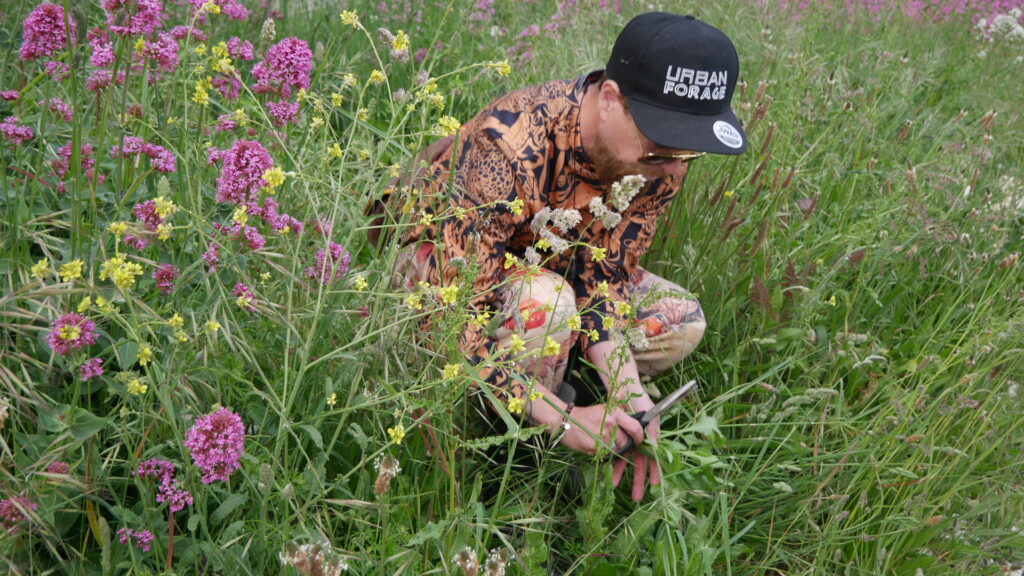
On the ground, urban foragers like Christian Amys in Brighton, say they have noticed a change in climate affected timings and availability of foragable foods too.
“We’ve been really affected by climate change, so everything grows at random times at the minute,” he says.
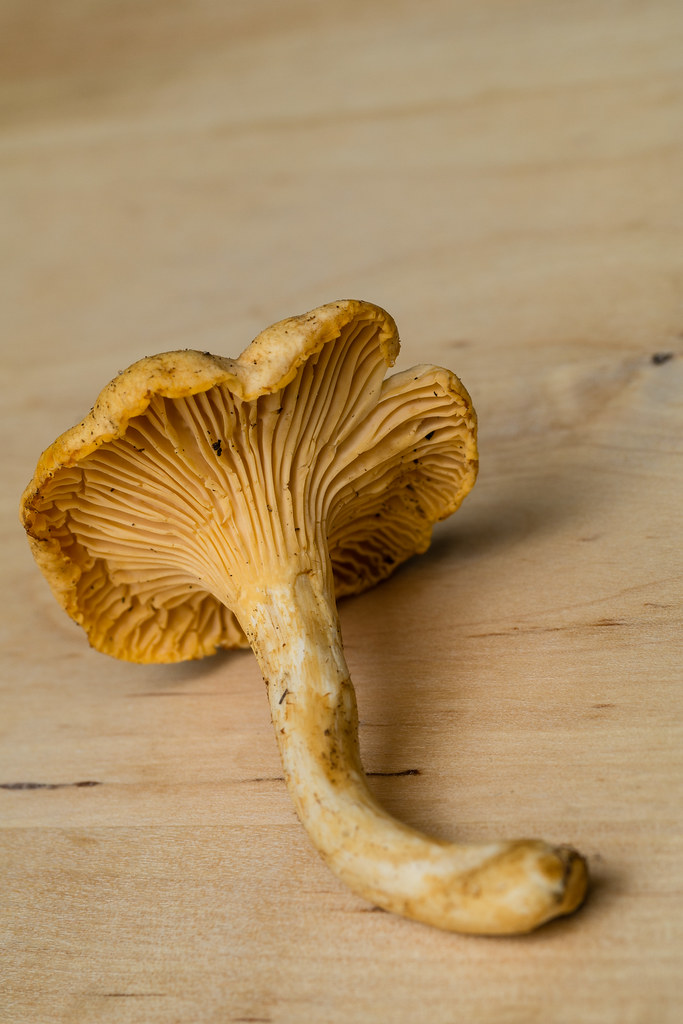
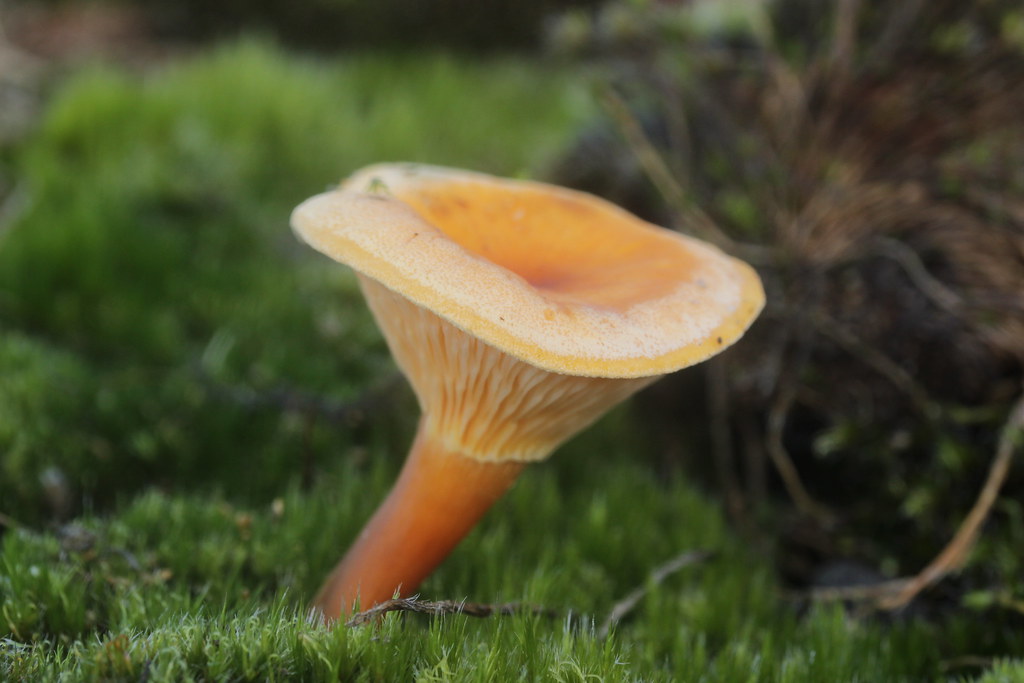
He said that the UK had a particularly wet summer last year which had caused mushrooms to appear earlier than normal: “mushroom season was all over the shop last year, we had mushrooms in the summer because it was raining in August. Truffles are on the flip side, getting better [because of the change]. In England, we are actually becoming one of the best places to grow them, because we are warming up. We have had crazy amounts of mushrooms because of the rain.”
While this abundance in mushrooms was a reason for foragers to celebrate, it shows how the number and types of foragable foods can be affected by dramatic changes in weather.
Researchers at Czech University of Life Sciences in Prague, confirm these links and have found evidence that climate factors could affect mushroom foraging in central Europe.
The results from the study show that when the precipitation change was increased by one unit, the change in the number of foraged mushrooms went up by twenty-seven tons, while the factor of temperature was found to be statistically insignificant. This suggests that with a decline in precipitation, possibly due to climate change, there will be a decline in the number of wild mushrooms able to be foraged in previously abundant areas.