Roadkill: A meaty treat?
“Just don’t try to make steak tartare out of a badger” and other practical advice on selecting and eating roadkill from expert forager Fergus Drennan
If Fergus Drennan ever asks “can I put something in your fridge”, proceed with caution.
Times journalist Nick Wyke discovered this in 2005. The something in question was an “immaculate” dead fox Drennan had found on the road driving from Canterbury to London for their interview – and into the fridge it went.
The dead-fox-in-fridge situation made quite the impression on Wyke and dominated his piece on Drennan – originally pitched as a story about urban foraging.
“I told him I didn’t want to talk about roadkill, I was there to talk about foraging. I didn’t want that to be the piece at all,” Drennan laments 20 years later.
But his roadkill exploits kept demanding attention. Various interviews and TV appearances culminated in 2007 with a BBC programme about Drennan called The Roadkill Chef – which he agreed to after refusing four times. “It took me five years to rebrand myself as Fergus the Forager – who wants to be The Roadkill Chef?”
Despite his reluctance to be pigeonholed by roadkill, Drennan certainly knows his way around the tarmac. “I mainly go for deer these days; I’ve got about 200 jars of pressurised venison stew at home.”
If you decide to try harvesting roadkill yourself, the first thing to do, says Drennan, is research into animal diseases. “You’ve got to think: ‘although this animal is dead, does it seem like a healthy dead animal?’ And obviously, you won’t be scraping things off the road. If it’s flattened, it’s not healthy. It’s flattened.” You can’t fault the logic.
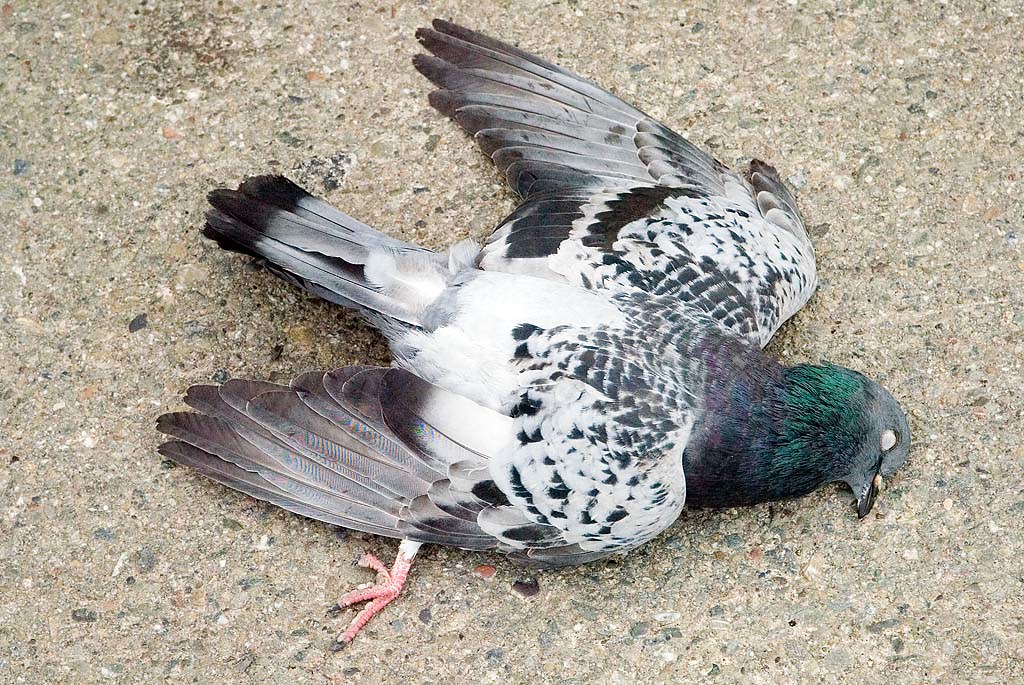
The animal also needs to be fresh. Some indicators are: “If, on a cold day, the animal is warm. Or with a bird, are there feathers nearby? If so, it is probably super fresh, because the next few cars tend to blow the feathers away.”
X
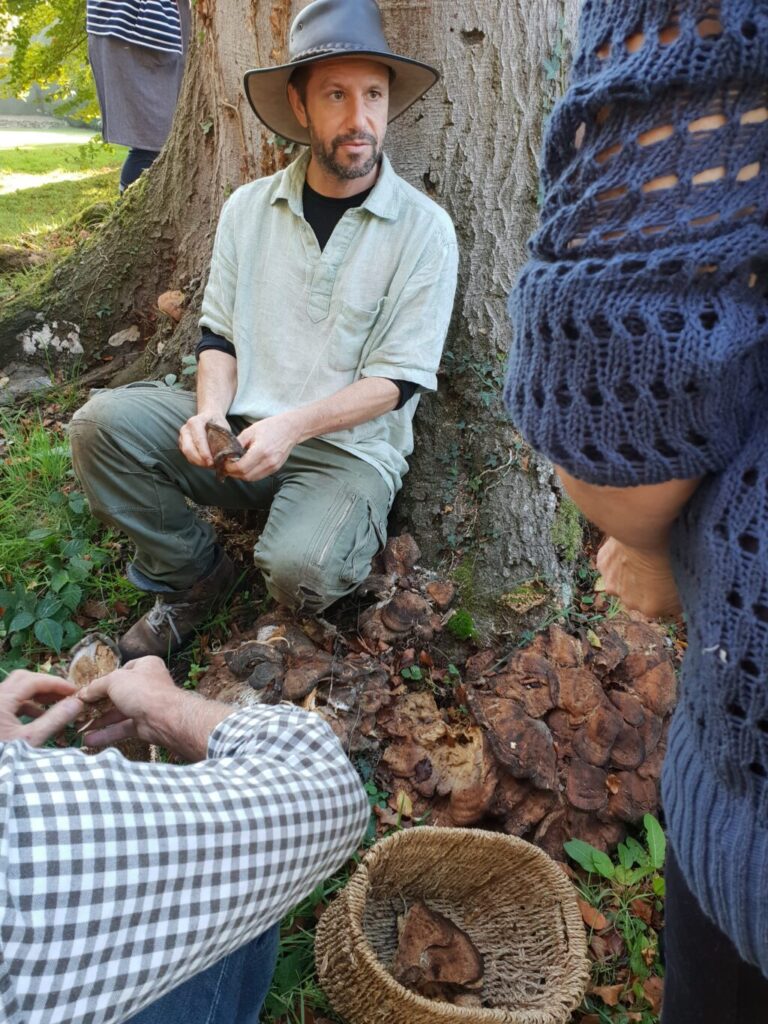
Drennan says the best indicator of freshness, rigor mortis, is often misinterpreted by people as a bad sign. “Depending on the size of the animal, rigor mortis sets in up to 12 hours after death, and takes the same time to leave.” So, a stiff carcass is a good carcass.
Are there any species that you should avoid? Not according to Drennan’s past menu: “I’ve had otter – that was unusual to find as a roadkill; and swan – that was a sad case of a dog kill; lapwing ravioli after one flew into a power line; manx shearwater was surprisingly good and not too fishy; herring gull…” One gets the feeling the list goes on.
Once you think you’ve got a fresh, healthy specimen, take it home to prepare the meat. You could take it to a butcher, but that’s not very Ray Mears. “Hygiene is important,” says Drennan, “it could still be diseased in some way. Make sure you don’t have any cuts, or wear latex gloves, and make sure you can clean down immaculately.”
Not many recipe books feature badger in the index, but you can usually swap your ingredient in for a regular meat. “Just make sure you cook it thoroughly,” Drennan advises.
“I mainly go for deer these days; I’ve got about 200 jars of pressurised venison stew at home.”
X
Another thing to consider is the law, although it basically follows common sense. You are free to take a dead animal as long as you didn’t kill it yourself.
Despite the media’s steady interest in Drennan and others’ roadkill habits, it remains a minority pursuit. Why are people so reluctant to eat meat from the street? And why were those journalists 20 years ago so much more interested in Drennan’s roasted fox than, say, pickled blackberries?
Perhaps it is morbid fascination; foraging roadkill challenges our relationship with meat. Looking at a full carcass and considering it for food removes the usual buffer between the animal and the formless lumps of meat we see on supermarket shelves. The carcasses can bloody and mushed, reminding us that violence and death are inherent in the process.
If you are, however, keen to join Drennan’s ranks, his main advice is to follow common sense: “Cook things well, keep hygiene and butchering practices really good, and you will avoid most issues.” He points out there will always be “a miniscule risk”, but it’s about minimising that. “Don’t make steak tartare out of a badger. Although I do like pigeon breast rare.”