Sustainable coastal foraging
We do love to be beside the sea, but how can we continue to forage along the coast sustainably?
The sea has been feeding humans, animals and wildlife for millennia. Before we decided to coat our fish in batter and deep fry it, we used to sit in caves and crack open mussels to cook over a fire.
In 2007, Researchers at the Institute of Human Origins at Arizona State University found ancient signs of life in the Indian Ocean near South Africa’s Mossel Bay, which included harvested and cooked seafood. They dated this ancient feast to be from around 164,000 years ago.
All this time later, we have a thriving sea-harvesting industry in the UK. We farm mussels, fish, seaweed, oysters – pretty much anything edible from the sea. We enjoy the bounty the coast has to offer in huge quantities.
This fishy abundance has come at an environmental cost. In 2006 the journal Science published a four-year study that outlined a worldwide loss of wild caught seafood by 2048 if we continued farming at the rate we were. The scientists stated that such a vast decline would be from overfishing, pollution and other environmental factors.
Since then, we have improved our harvesting methods and in 2019 a FAO report had some positive findings. Global production of fish, crustaceans, molluscs and other aquatic animals had grown and reached 172.6 million tonnes in 2017, with an increase of 4.1 percent compared with 2016.
While foraging is already more sustainable than buying from mega sea-farming corporations, if we all went out and scraped the sea of its natural produce it would cause damage to the coastline, reefs and sea life.
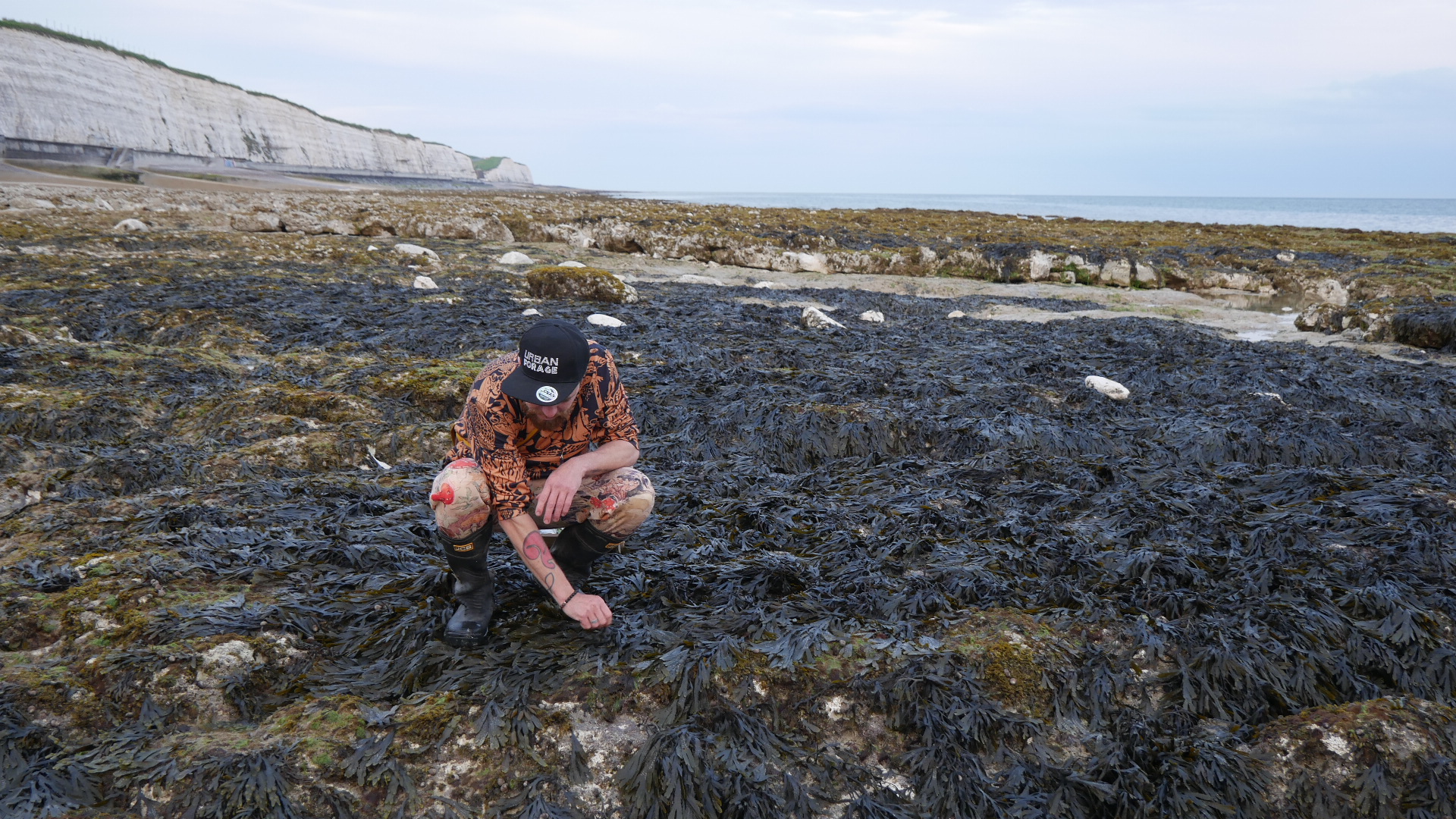
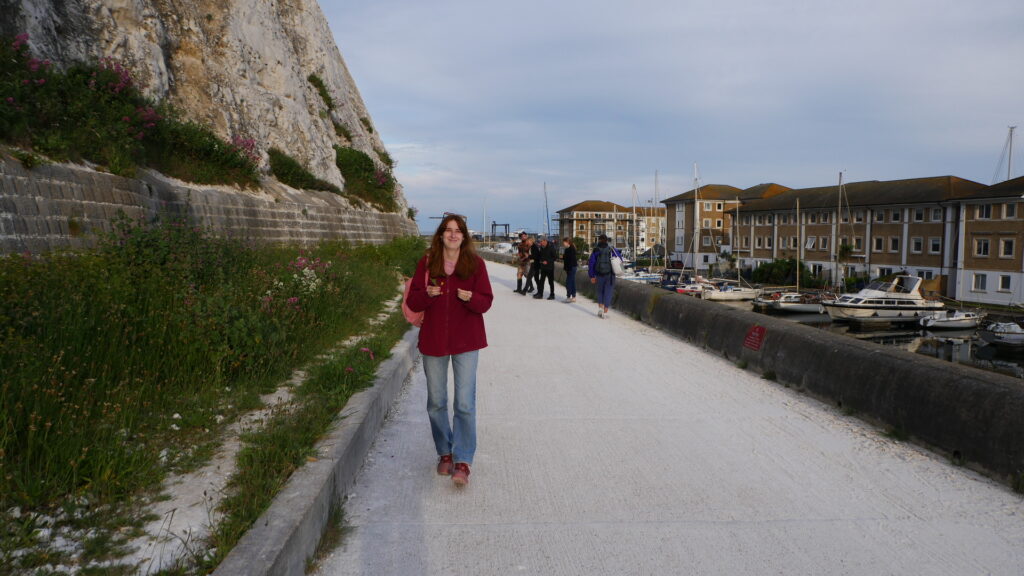
Forager Christian Amys, who is the founder of Urban Forage in Stanmer Park, holds coastal foraging courses along Brighton Marina.
He was previously a Michelin star chef but left the industry during the Covid pandemic in order to connect with nature. He now uses his culinary skills and self-taught foraging knowledge to teach others about the foods we can find on our doorsteps.
Christian takes extreme care when walking along the shores and cliffs of Brighton as he is passionate about enjoying the food the sea can provide without causing damage.
“We don’t have a lot of shellfish on our seafront [in Brighton] so we will often leave the shellfish. With mussels I would recommend taking one from a patch, if you see them growing more abundantly you could take one from each patch but don’t rip them all off. You want to be very careful in just taking one mussel away,” he says.
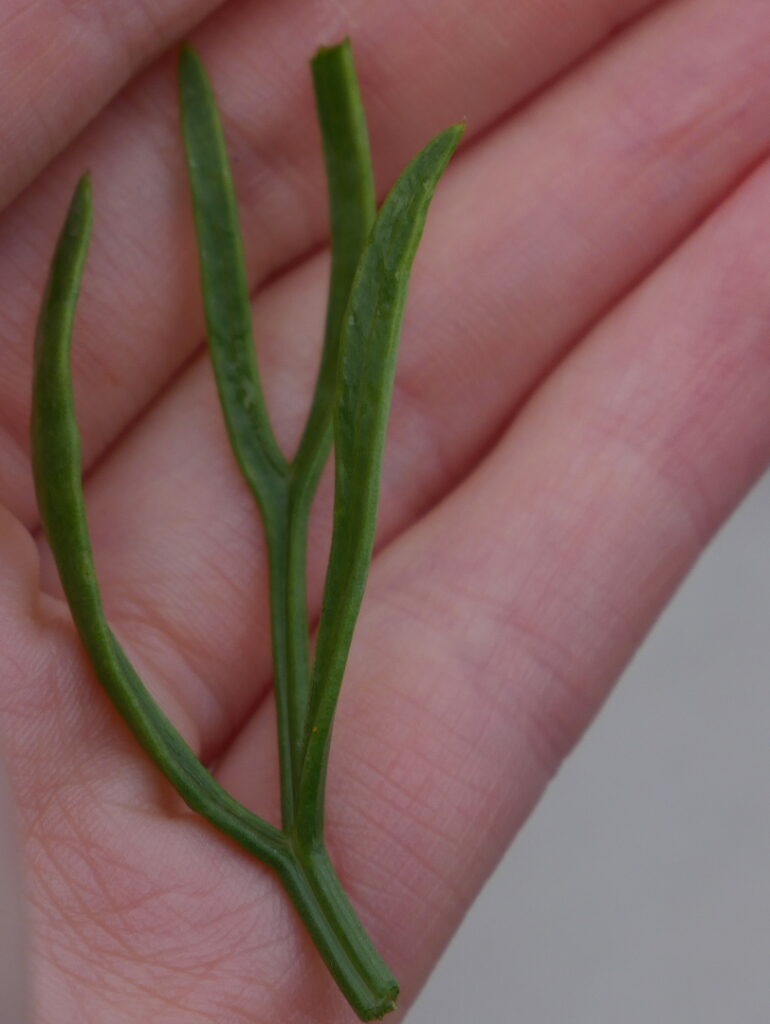
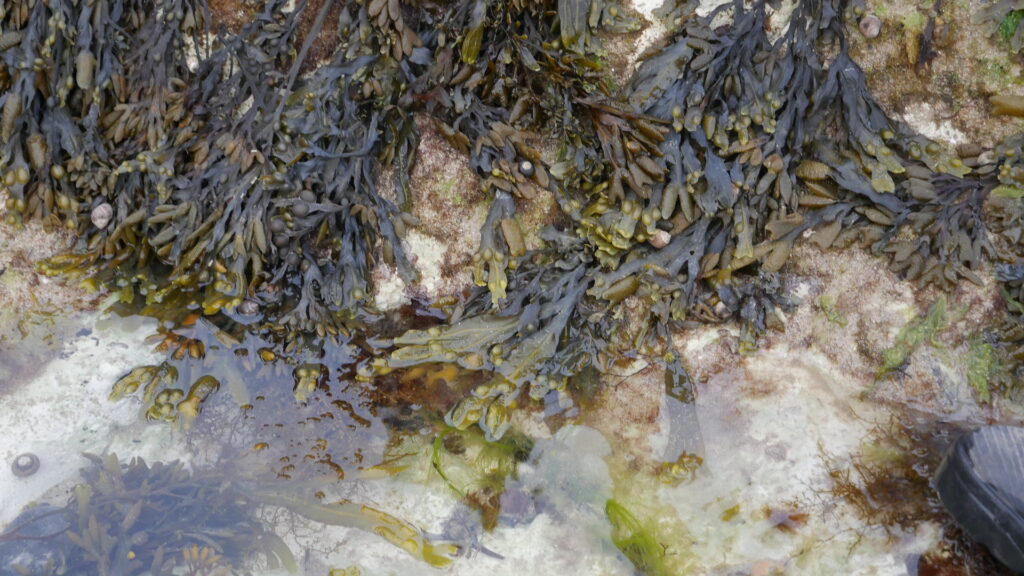
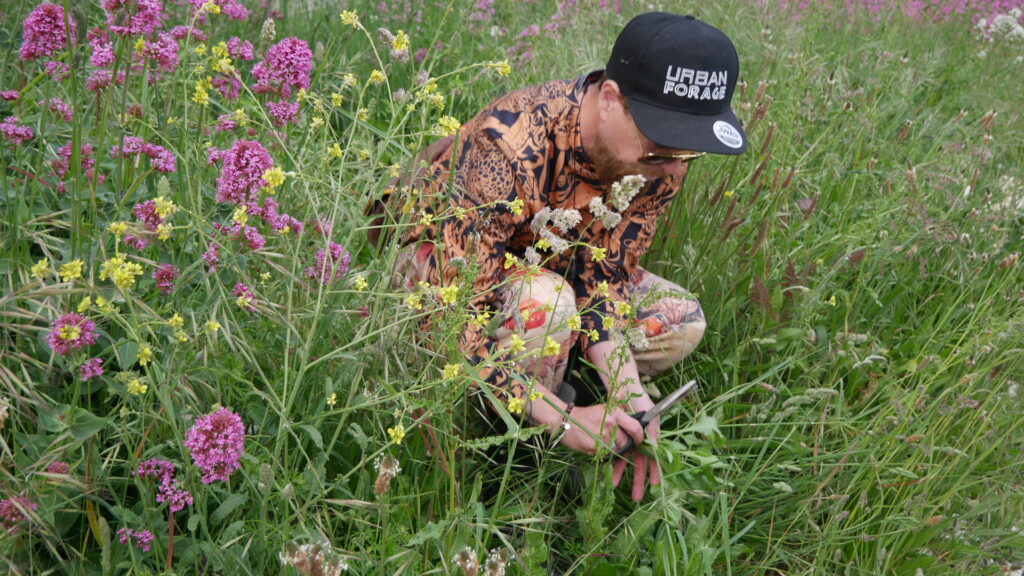
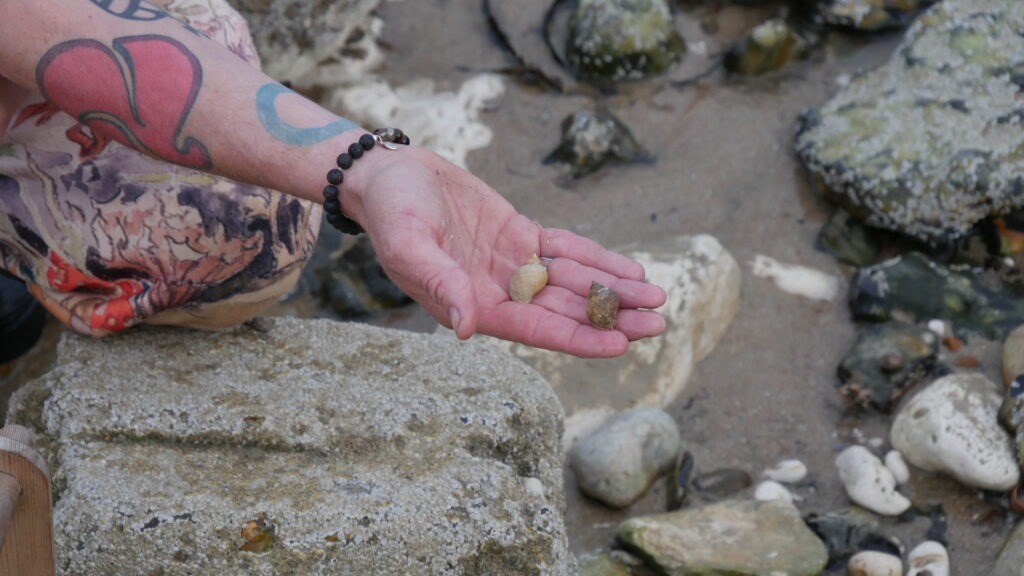
He says we are not the only ones partial to a mussel or two, as seagulls will swarm overhead looking for their next feed. “I recommend being pedantic about it, taking one at a time and making sure you’re respectful of the rest of the seabed. Bear in mind that seagulls and other nature will live off some of this marine life as well.”
His advice for foraging seaweed is similar – we should only take small amounts to ensure the environment can be sustained: “I wouldn’t forage seaweed where it’s not abundant. As long as you’re not taking a lot you can give it a ‘haircut’, as we like to say, and the seaweed will grow back pretty quickly. I would never take more than 10% of a seaweed plant. Using scissors and being careful when cutting it will mean it will grow back.”
Christian learnt most of his foraging skills from books he read about foraging. He will check areas he intends to forage for permission or for any reason he should not forage there.
“It’s illegal to forage in places of scientific interest or nature reserves,” he says, “but they’ll normally let you know on their websites or the local authority will be able to tell you. It’s really important that we respect these laws.”
While he recommends foraging sustainably for the natural wildlife, he expresses concern for how it could affect humans as well. He has seen climate-change-related issues crop up in his foraging.
“We’ve been really affected by climate change so everything grows at random times at the minute. Seaweed is very hard to predict,” he says.
For safety, he wouldn’t recommend picking things next to a really busy road or where you believe there has been pollutants.
Christian holds coastal workshops to show people how to safely forage their own feasts along Brighton Marina, click here to go along with the Briar team to learn more about coastal foraging.
X