ID Guide: Nettle
Common names: Stinging nettle, burn nettle
Latin: Urtica dioica
There are endless ways to use foraged nettles in recipes. The entire plant is safe for consumption, making it a great option for first-time foragers. It is also available to forage most months of the year in the UK.
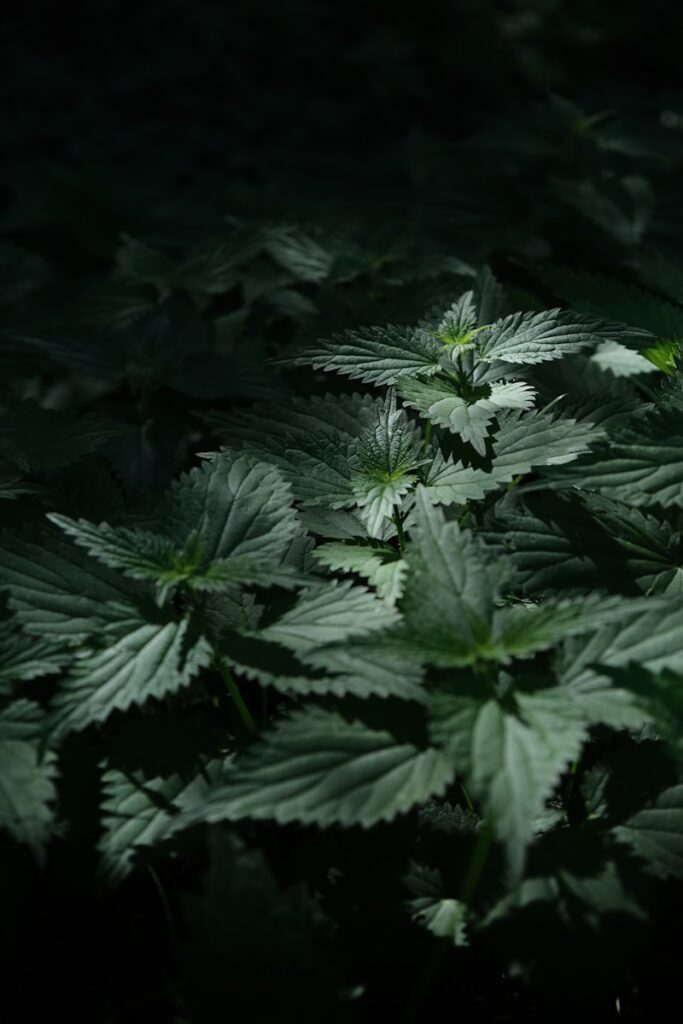
Nettles usually grow in large clusters, and can be found anywhere from hedgerows to forests and even urban parks. They are long green plants with jagged leaves and little white flowers when in bloom. They have a delicious earthy taste that pairs well with lots of flavours.
Whilst nettles are safe to eat, as most will know there is a catch. The common nickname “stinging nettle” comes from the tiny stingers on its leaves that will leave you with a painful but mild rash and sting. This could be one way of verifying a nettle! Doc leaves are commonly cited as an antidote to the nettle sting.
To collect nettles you must use gloves and be careful not to touch the leaves until they have been cooked down and the sting neutralised. After the sting is gone, the opportunities for cooking with nettles are endless. Tea, pesto, crisps, soup – you name it, the nettle can do it!
It can be found as early as February right through to late autumn.
Commonly mistaken with…
Thankfully there are no toxic plants nettles could be mistaken with, so they are a very safe plant (apart from the sting!) to forage.
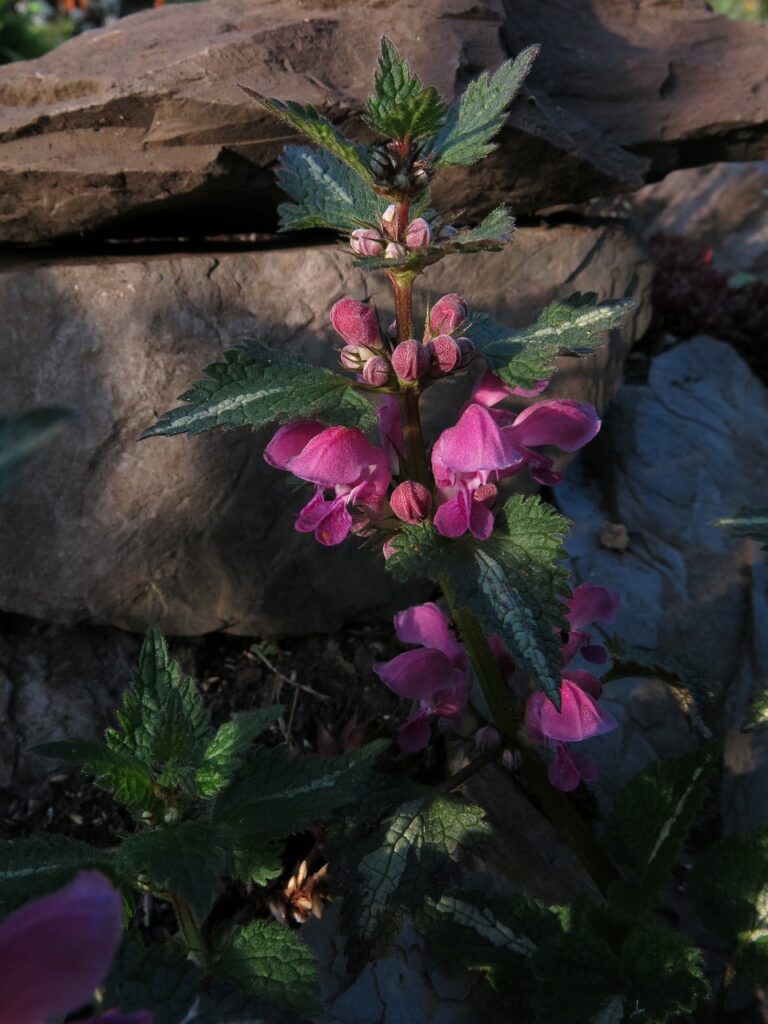
Common name: Dead nettle
Latin: Lamium
Its name comes from the fact it looks a lot like the common nettle, but without the distinctive sting. This plant has similar leaves to nettles, but with a more beautiful orchid-like flower.
It is non-toxic and can be foraged to eat as well, so no harm done if you pick a dead nettle instead.
Happy picking!