
In our series on lucky charms and superstitions, we take a look at Turkish tranditions
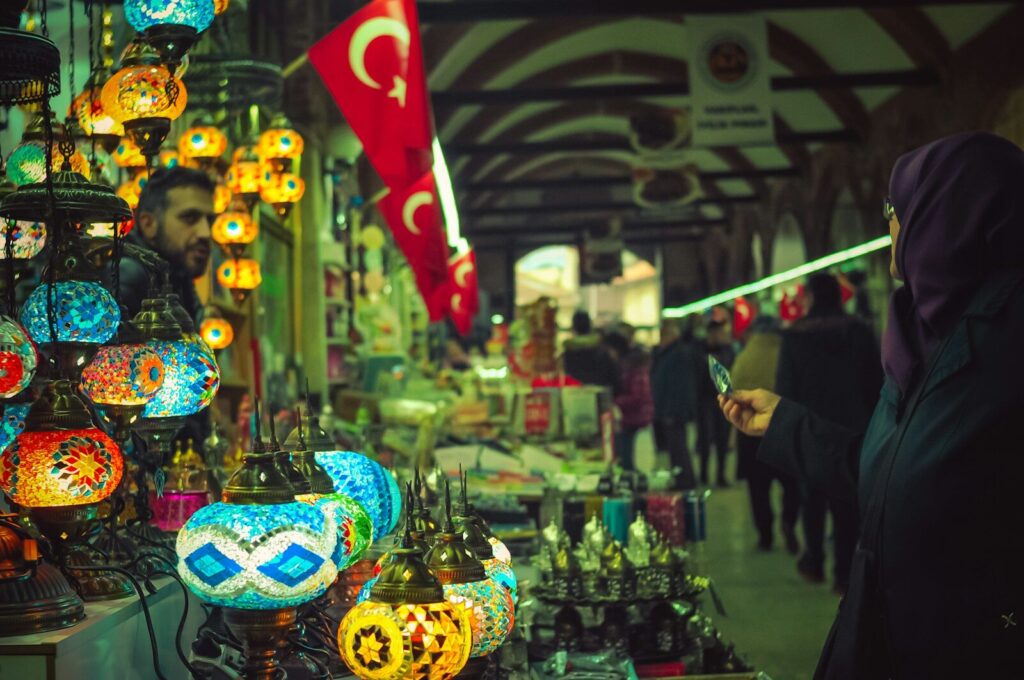
Image: Nida Oral, Unsplash
As someone who is Turkish I grew up in a household which valued superstitious traditions. For example, every time we’d enter or exit our home we’d always step in an out with our right foot, if we stepped in the home with our left foot it that is seen as bad luck. It is a common belief that the home is a sacred place with energy that must be protected and many Turks around the world value the home on a deep level. These little beliefs and quirks became second nature to me as a child, and I am not the only one. Azra is a friend who shares our Turkish lore.
What is the typical lucky charm in Turkish homes?
The evil eye is extremely common here, I usually see it most often in touristy areas. Most likely because tourists see it as exotic and want to get one as a souvenir. Turks my age don’t engage with these kind of objects.
Would you consider yourself to be a superstitious person?
That belief is something that has been instilled in me since I was young and while I don’t truly believe in what it entails as I’ve gotten older, I found that it became a habit for me so I still avoid it instinctively. Especially when I walk into the bathroom, I actively try to undo the unconscious beliefs that have been instilled in me since a young age
Do you practice any superstitions?
Actually, I used to be very cautious about that a couple of years ago and I was influenced greatly by my very religious father. In recent years he has become more chill, so now I am finally comfortable enough to relax and not care. In our home, we do not pray as much anymore, that used to be a routine for us in our home but nowadays we do not incorporate prayer into our home life, usually in an Islamic household, it is considered good luck if you incorporate prayer five times per day, and these prayers blend in with routine in your life. However, we left that tradition long ago
Leave a Reply