
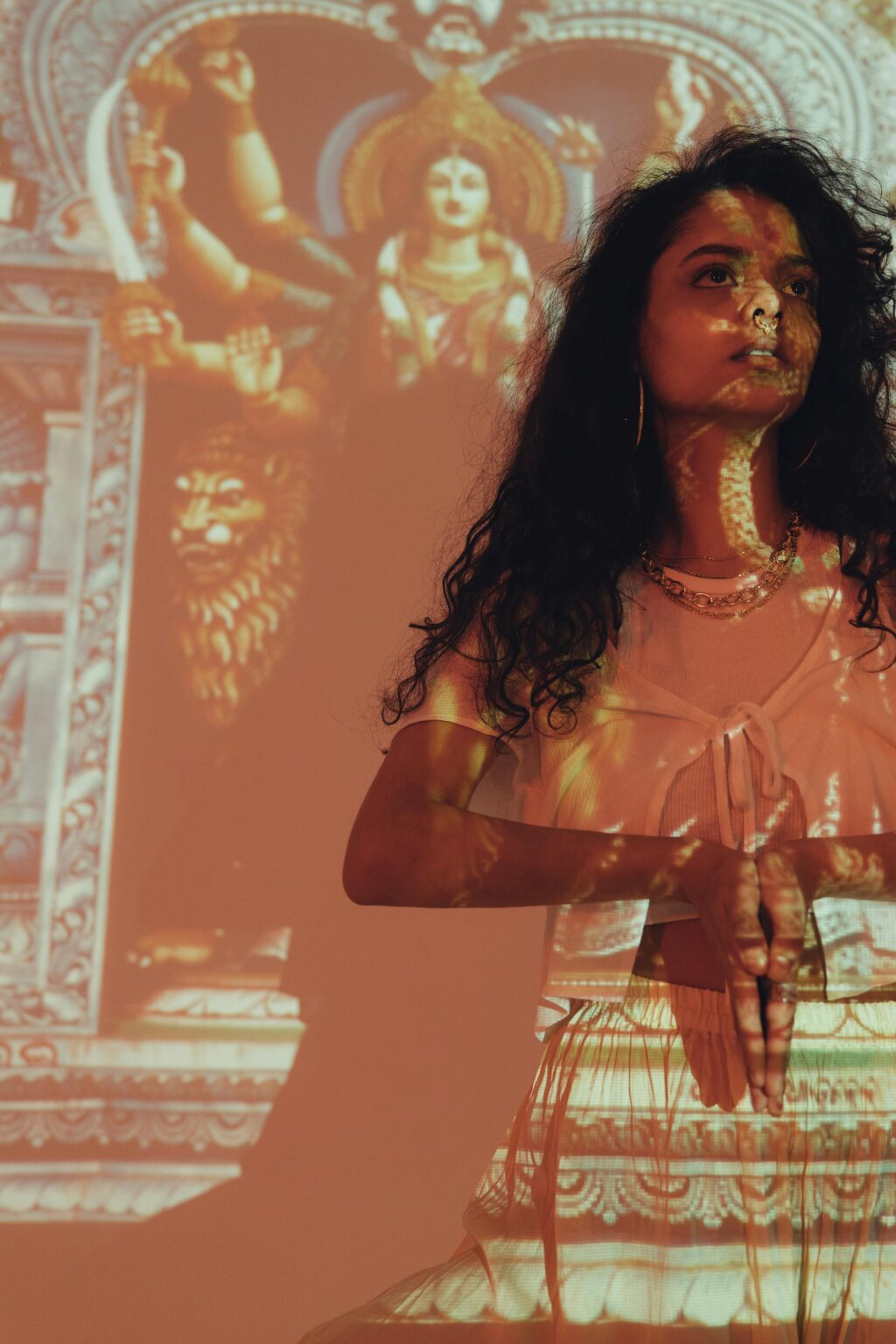
Scholarship of the past pitted science and religion against one another- the rejection of religion was a prerequisite for development and rationality. Now, twenty-four years into the 21st century, we are deep in the era of groundbreaking technological advancements, ever-increasing connectivity and AI systems. GenZ seems to seek guidance from Saint ChatGpt on how to write immaculate cover letters, as well as how to (politely) break up with an insufferable partner. Yet, statistics that may come as a surprise to many, show that religion has remained indispensable to the digital generation. According to a study shared by the Wall Street Journal in 2023, about one-third of 18- to 25-year-olds stated they believe in the existence of a higher power. This is up from about one quarter in 2021, according to polling data from the Springtide Research Institute.
The secularised, irreligious definition of our generation simply doesn’t cut it for many, like myself, who practice our faiths with great love and devotion. I spoke to like-minded individuals around London, who shared why their faiths are so important to them, and how they practise their respective beliefs as members of Generation Z.
A search for meaning
“We as humans understand there has to be something more,” explains Cece Okoye, 22-year-old law student, worship musician and co-leader of the events team at her church, Harrow International Christian Centre. “When you’re living your daily life, when you’re going about your business, I think the mundanity of life can sometimes get to you, mentally, physically and emotionally…you find that in every single culture and every culture tries to answer that question.”
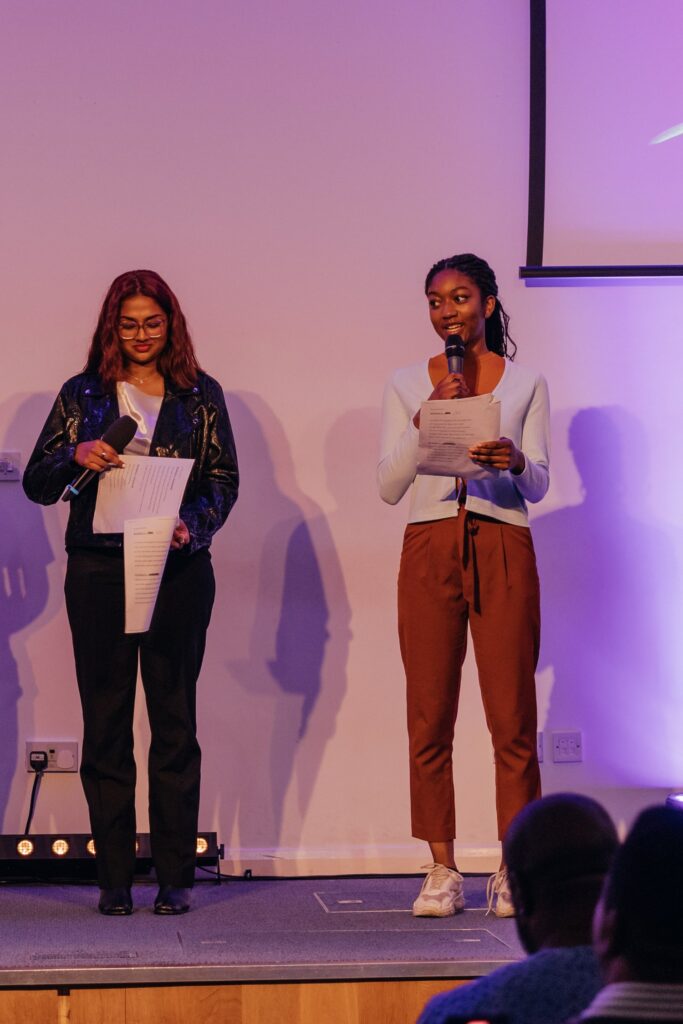
Cece also tells me about why our generation specifically may feel drawn to look for deeper answers. “Our generation has become increasingly disillusioned with certain aspects of life, like celebrity culture, waste and overconsumption, consumerism and capitalism. People are becoming increasingly frustrated. I think it’s all part of a wider consciousness that people are developing, that there has to be basically more to life than these things, and there has to be a better way of doing things.”
Indeed, disillusionment and dissatisfaction seem to be at an all time high, with The New York Post stating that in a study dated to 2021, 57% of girls and 29% of teen boys felt persistently sad or hopeless, while almost one in three girls had considered suicide. It makes sense that our generation is turning to a higher power for answers in a world full of suffering and injustice. Furthermore, women who attend religious services at least once a week are statistically 68% less likely to die from “deaths of despair,” including suicide, drug overdose, and alcohol poisoning.
Haneen Farid, 20, a Sunni Muslim and politics student at King’s College London, elaborates on this innate yearning for connection with a higher power. “Essentially with Islam and also other Abrahamic religions, we believe that God is the one who created you. So, when you connect with God, you connect with your creator, it’s an unparalleled experience.”
Why community?
It’s clear that our generation is searching for meaning and identity, and many of us, despite hailing from different backgrounds, find it in spirituality and faith. But why do we insist on meeting together as opposed to practising our faiths individually or practicing solo self-care rituals?
Revd Ann Clarke, an Anglican priest who works alongside a multi-faith team composed of Catholic, Muslim, Buddhist and Jewish voices at the Goldsmith’s University chaplaincy, traces the value of community back to a relational God. “We grow deeper in relationship to God through our relationships with others.”
Aka Okoye, 29, Cece’s husband who co-leads an advertising agency and leads Lifehouse, Harrow International Christian Centre’s young adult’s ministry, agrees and links this need for community to biblical doctrine. “There’s a key scripture in the New Testament that helps us with this, where the developing churches are encouraged not to neglect meeting together…there is something about being together and encouraging each other [you get the same] sort of enthusiasm you would get with any other congregation, like a football match or a concert.”
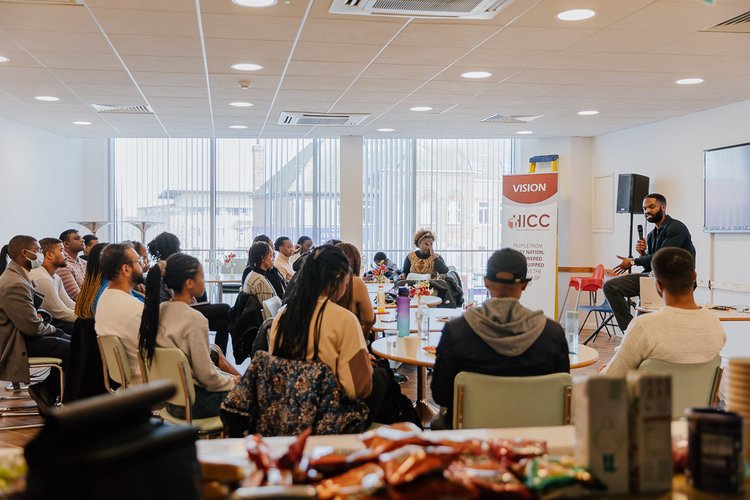
Cece adds: “I think that we come because essentially, we know that loneliness isn’t good and that we need each other. Lockdown really opened my eyes personally to that…this is the first time in years that I’ve been able to actually talk to people my age and spend time with people without anxiety about health. Church fosters that true and genuine relationship, people who you can rely on.”
Haneen also stresses the importance of community in Islam. “For me and a lot of people, when we go to the Masjid, when we pray in congregation, there is a sense of unity that we experience. That’s one thing, another is meeting like-minded people. It makes life a bit easier because you don’t have to constantly explain a lot of things, just to have people around you who get it.”
Where does tech come into this?
Digital culture is constantly reinventing itself, and digital religion is no different. One obvious way in which GenZ do things differently to previous generations is our interaction, and often dependence, on technology.
Aka and Cece told me about some of the software they use for managing the Lifehouse young adults’ group. “Many of the presentations we use are made on Canva, which makes the design elements much more accessible to people who aren’t designers. Our website is built on Squarespace. We have Instagram and a TikTok as well, and actually last week someone came to Lifehouse for the first time and said they had found us through our TikTok. Our online Bible studies are on Zoom, and we stream live on YouTube, and use Spotify for our playlists.” Both also regularly use the Bible app, which is free to download and contains hundreds of translations.
Haneen also uses numerous apps to practise her daily prayer and Koranic study, such as Quranly, to read the Quran, both in Arabic and translated, and a popular app for memorizing the Quran, Tarteel AI. Prayerly, reminds users to pray five times a day and Dhikr and Dua is used for remembrances and supplications to Allah. Haneen also follows many popular Islamic YouTube scholars such as Nouman Ali Khan and Mufti Menk, who help to explain scripture and get into the “nitty gritty” of living according to it.
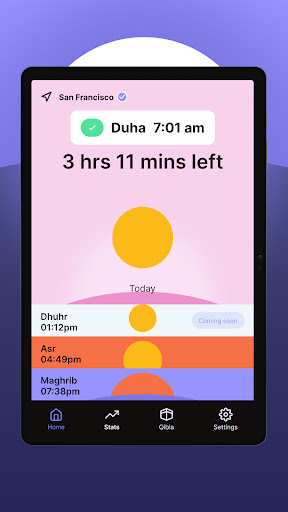
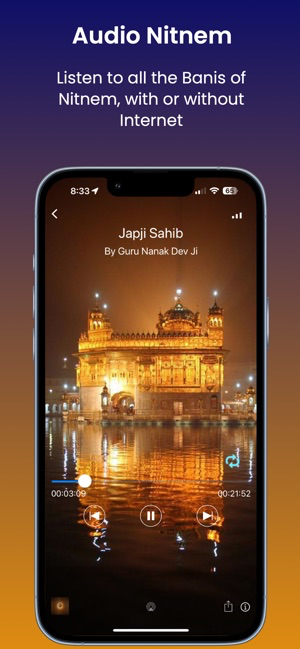
Muslims and Christians are certainly not the only ones to make use of digital technologies to practise their faiths. There are endless apps and YouTube channels aimed at Hindu, Buddhist, Sikh and Jewish audiences. Popular religious channels include @thebhaktioffcicial (Hindu mythology) and @BuddhismInEnglish (Buddhist explainers). Audio Nitnem is also a popular app used by Sikhs to recite daily Banis (prayers).
Live streaming especially, has the benefit of connecting people over continents. Haneen says, “I think technology is particularly helpful for new Muslims, because we may not always have access to people who are the best preachers around us, a lot of us who live in parts of the world which are not Muslim.”
Ann makes a similar point in relation to international students. “I’ve met international students who like to join a faith community in their native language”. She explains a student from Hong Kong likes to connect with a church community back home, and this is only made possible through platforms like Zoom.
Both Haneen and Cece do however recognise the pitfalls of such technologies. Haneen explains a lot of Muslims around her struggle with easily accessible music streaming (she explains that instrumental music is not allowed in this branch of Islam), and the threat of easily accessible explicit content online, which is an issue for many young Muslims. Cece adds that social media can pose too much of a distraction: “There’s a lot of distraction on the phone, my biggest enemy right now: Instagram reels and doom scrolling…those aspects of social media definitely take away my attention from God.”
Aka says “Coming off the back of COVID, I think that it’s been made abundantly clear that actual human connection is so important. We should be ready to embrace technology, but I don’t think it will substitute for the power of human congregation.”
The generation left behind
It is interesting to note how GenZ might perform their worship and rituals differently to our elders. Haneen has observed that her parents’ generation, who hail from Muslim-majority Kashmir, tend to be more liberal than our generation. Haneen believes that this is because of the internet and increasing access to information amongst the young generation: “They haven’t had access to the same amount of knowledge, they haven’t been exposed to Islam in the same way we have, because we get to verify what we’re told through online resources. They haven’t been able to verify a lot of things, they haven’t been able to learn the correct practices.” She explains that sometimes as a result, younger Muslims tend to be better informed about doctrine and orthodox practices than their parents.

image credit: Tima Miroshnichenko on Pixels
What’s next?
Looking forward, all the individuals I spoke to encourage Gen Z to make use of the available technologies to explore and deepen our faith practices; but as in the field of sport or academia, the value of face-to-face human connection cannot be replaced by AI and video calls just yet.
Our churches, mosques and temples of the future may or may not be digital, physical or intergalactic, but surely, they will be made up of humans with big questions, seeking big answers, exploring bigger possibilities in a growing online village.