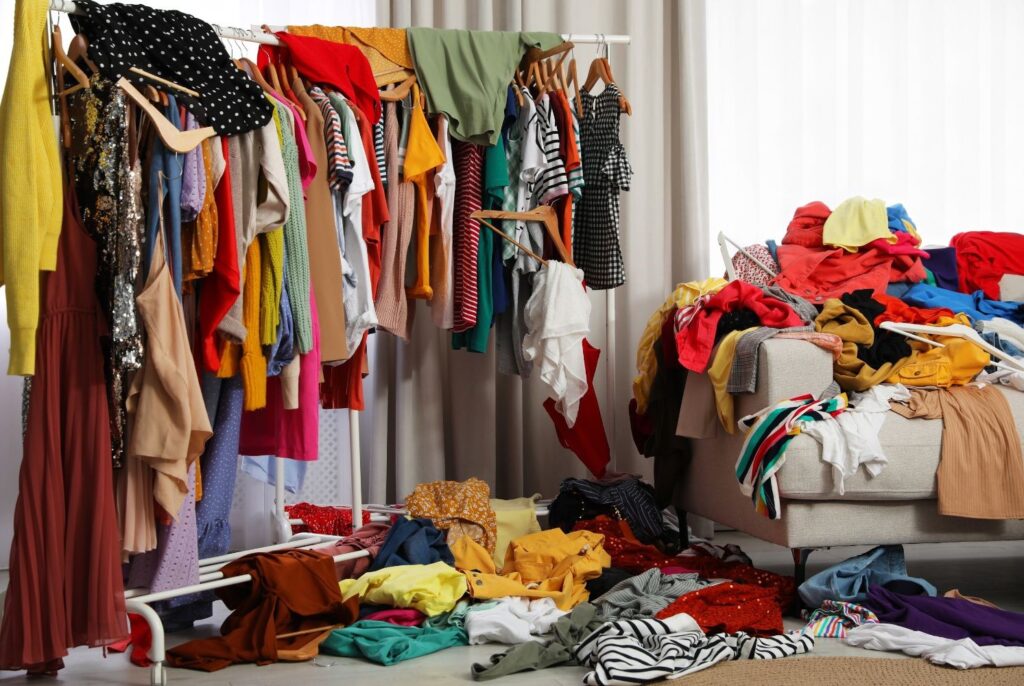
For some of us, shopping is a hobby and a way of showing our expression however, it can sometimes be a bit addictive. Consumerism is the constant of buying more and more than you should. Having access to buy items around the world and consuming them as a form of therapy is all fun and games until you are spending more money than you earn and become obsessed with materialism. This has become normalised in the modern world where it can be seen as a coping mechanism, social norms, self-worth and personal identities. Consumers feel short-term satisfaction during shopping and when getting their product, however, it can create stress and distress.
The stress and pressure to be up to date with the latest items can create financial stress as spending often can go on the route of affecting your mental health in the long run. This will make you have low self-esteem as the media is promoting unrealistic expectations to make you feel different. The cycle of buying new things only brings short-term happiness which will likely make you go through the pattern of buying more.
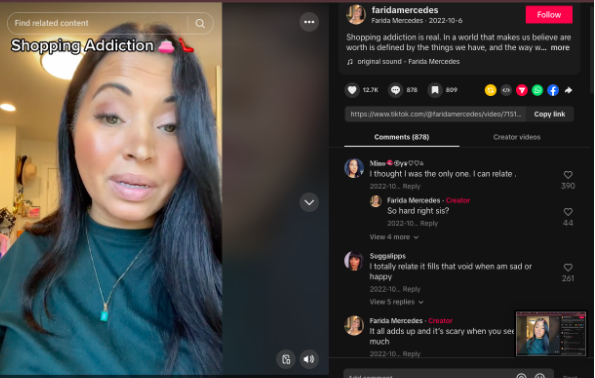
A social media user, Farida Mercedes, has announced how she has a shopping addiction and the struggles she battles. She said it is a “coping mechanism” when she is sad, mad and happy, when she feels like she deserves it and many in the comment sections discussed how Farida is not alone, and they are also on the same boat as her. Shopping addiction is an obsession and many people may be stuck in the same trap such as Farida and use it as a coping mechanism.
When people shop, they may feel a temporary satisfaction when purchasing but the feeling does not last long. For others, they feel the guilt because they know what they had purchased what they cannot meet financially, except they still feel the urge to shop. Compulsive buying happens when an individual has an addiction to shopping but it is uncontrollable. According to the National Library of Medicine, the group of people who are clinically diagnosed with Compulsive Buying Disorder (CBD), 80% are women.
Many people in this modern generation have become materialistic where it can affect their mental health because they believe that their personal wealth is tied to their possessions. It can also lead to comparison which can make consumers have low self-esteem and envy the people and influencers who are promoting the products.
We live in a consumerist society where we are all judged by the things we wear, the number of vacations we fly to, the newest tech you currently own. Consumer goods can make individuals feel vulnerable and the resentment to not be able to meet societies expectations.

It is not something new where we have seen advertisements on all social media platforms and TV showcasing the idea that buying particular items is an important and essential way to fulfil yourself. With the work of social media and personal data, brands can now market to their target audience using demographic data. As the app TikTok is mainly flooded by young people it promotes extreme spending, and this attracts individuals who are not financially aware. Many influencers work with brands to promote their products to their audiences and those viewers are likely to feel the pressure to buy the products.
Weekly and monthly hauls where you purchase items just for the purpose of sharing them on social media are not normal. Many influencers spend extravagant amounts of money on clothes, makeup, and skincare which is harmful for the viewers, especially to the impressionable audiences as they will tend to promote unhealthy spending habits and compare their lives to the influencers on social media. Fast fashion is bad for the people, animals and the planet.
Social media promotes trends that becomes popular for a short time and then forgotten which causes fast fashion. With quick delivery, it makes consumers stay up to date with the newest trends which provokes them to continue consuming.
To limit you from buying often, you can:
- Find a hobby which would be great for distractions,
- Remove all notifications, adverts or remove the app
- Practice mindful spending if it is worth the money
Consumption itself may not be dangerous but when the world prioritises materialistic health over important values, it can lead to depression and anxiety.