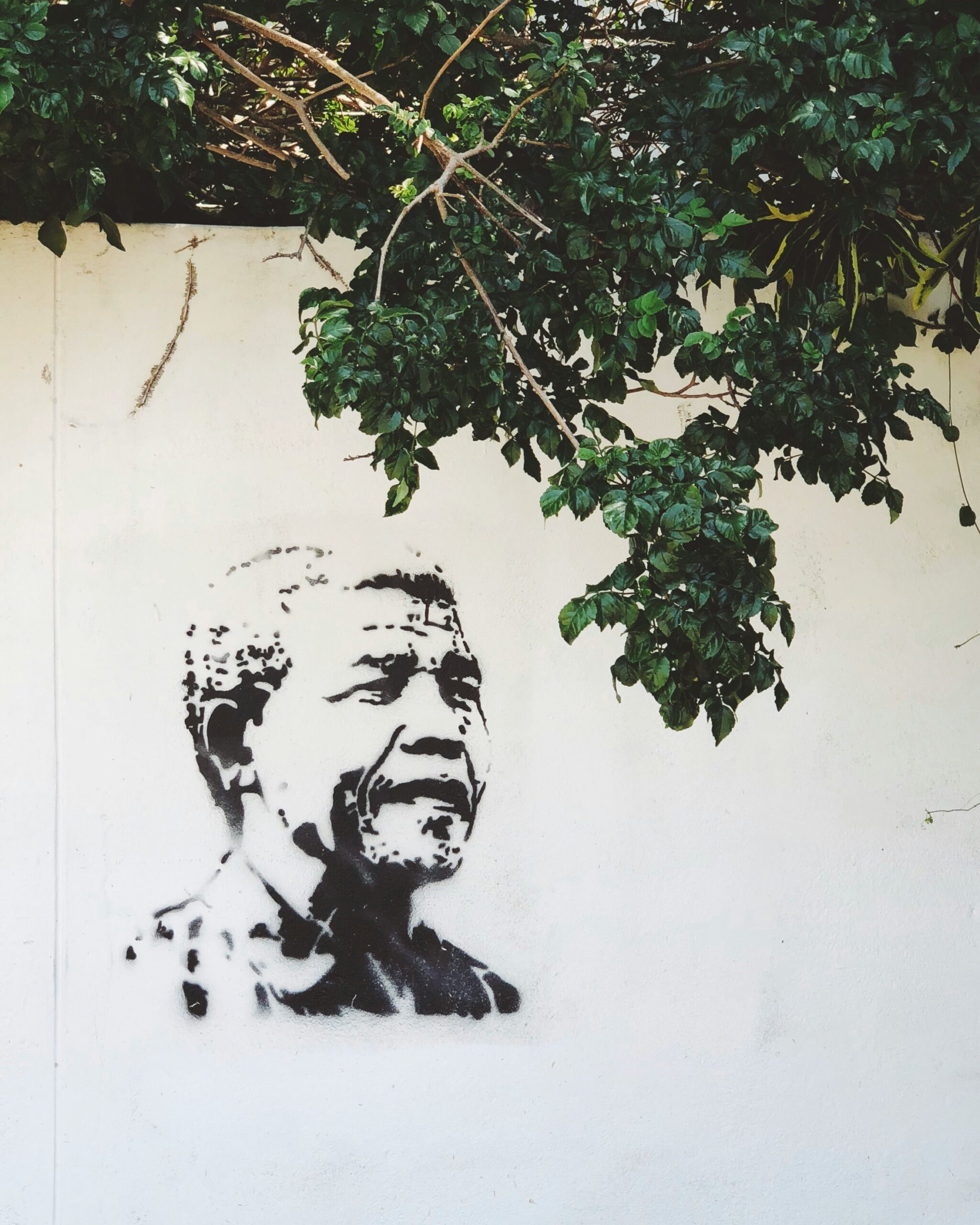
Have you ever clearly remembered something, only to find out you remembered it incorrectly? This experience, known as the “Mandela effect,” occurs when many people share the same false memory.
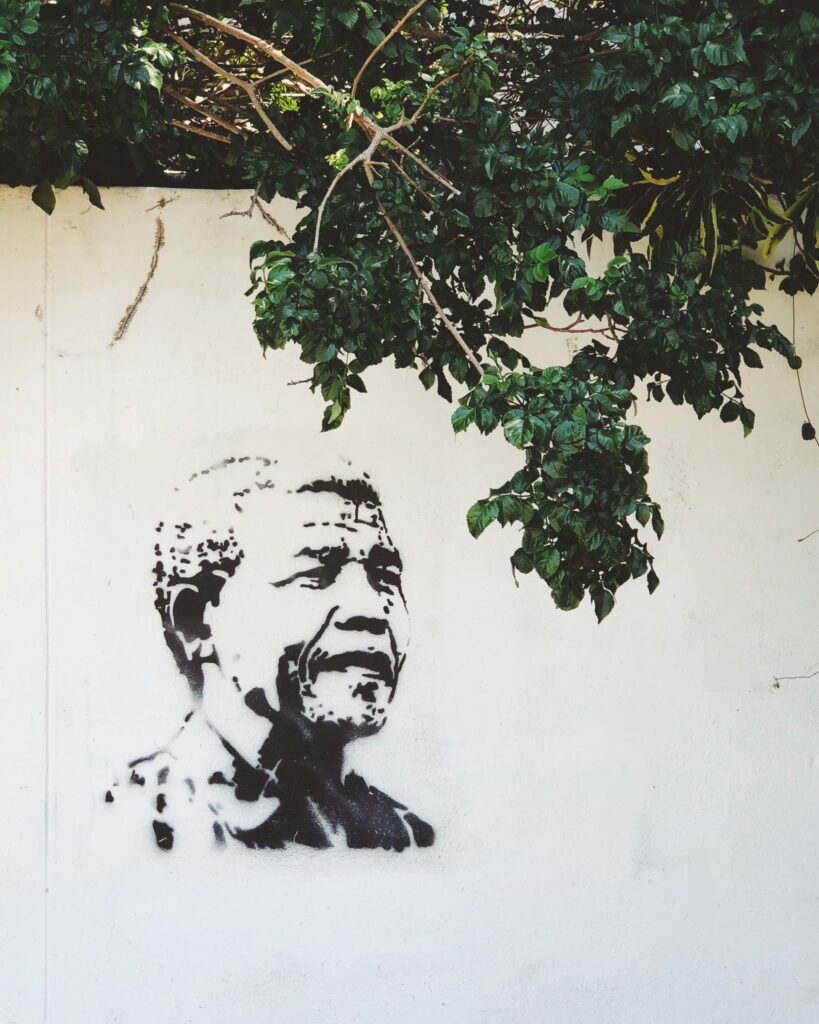
What is the Mandela effect?
The Mandela Effect is named after Nelson Mandela, because many people incorrectly remembered him dying in prison during the 1980s. In reality, Mandela was released from prison in 1990 and passed away in 2013. This shared mistake shows how easily our memories can mislead us. Let’s look at a couple of detailed examples through interviews with real people and explore why this happens.
Take the false memory of Mickey Mouse for example. Emily Lin, a 17-year-old student studying in London, are absolutely convinced that Mickey Mouse wears suspenders. Emily has memories of Mickey Mouse cartoons from her childhood, clearly picturing the iconic character wearing suspenders with his bright red shorts. “Yes, I’m sure I remember Mickey Mouse wearing suspenders,” she explained confidently. “My brother even dressed up as Mickey Mouse one Halloween when we were kids, and his costume had suspenders attached to it. We took lots of photos that night, and I remember thinking how accurate his costume was. I’ve also seen countless toys, drawings, and images that showed Mickey with suspenders. It’s really strange to hear that he never wore them.” Emily rated her confidence in this memory very high, giving it a solid 9 out of 10. However, the surprising truth is that Mickey Mouse has never officially worn suspenders. In every official depiction from Disney, Mickey is simply dressed in bright red shorts decorated with two white buttons—no suspenders at all. It’s not just Emily—many people on Reddit have also shared that they remember Mickey Mouse wearing suspenders.
Another classic example comes from the Star Wars. Michael (not willing to tell us his surname), also 17, strongly believes that the famous line from the film: “Luke, I am your father.” Michael loves Star Wars and has watched the series of movies for many times. “I’m completely sure Darth Vader said, ‘Luke, I am your father,’ because that’s exactly how I remember it,” Michael explained. “It’s such a famous quote. All my friends quote it like that, and I’ve heard it repeated on TV shows, cartoons, and comedy sketches. It’s hard to believe we could all have it wrong.” Michael felt so sure about this memory that he gave it a 10 out of 10 for certainty. However, despite this common belief, Darth Vader never actually said those exact words. The real quote is shorter and slightly different: “No, I am your father.”This difference surprises Michael and many people, it makes them wonder how a tiny change in word could cause such a common false memory.
These examples illustrate how collective memory can sometimes diverge from the truth, leading to widespread but inaccurate recollections. The Mandela Effect continues to intrigue researchers, psychologists, and everyday people who wonder just how and why so many individuals remember things differently from how they actually happened.
Interview with a Psychologist
HeadLines spoke to Jerry Wang, a master student in Shanghai Fudan University(a top university in China) who had some research on specialising in memory:
Q: ·Why do people experience the Mandela Effect?
Wang: Our memory isn’t always accurate. It often blends real experiences with things we’ve heard or seen elsewhere, like in conversations, media, or other people’s memories. These mixed details become stronger each time we think about them, eventually feeling completely real even though they are incorrect.
Q: Why do people feel so confident about incorrect memories?
Wang: Confidence doesn’t always reflect accuracy. Repeated exposure to incorrect versions through social interactions, popular culture references, or even jokes strengthens the false memory, making people feel certain they are remembering correctly.
Q: Who is most likely to experience the Mandela Effect?
Wang: Everyone can experience it, but those who have active imaginations or are strongly influenced by popular culture might notice it more frequently. Younger people who grow up with media and social platforms can also be particularly susceptible.
Q: How does understanding the Mandela Effect help us?
Wang: Recognising the Mandela Effect helps us approach our memories more cautiously. It teaches us humility about our memories, understanding that even very vivid and confident recollections can sometimes mislead us.

Reflecting on Your Own Memories
Next time you’re absolutely sure about a memory, ask yourself if it could be another Mandela Effect moment. Have you experienced something similar? How confident are you really about your memories? You might be surprised!