
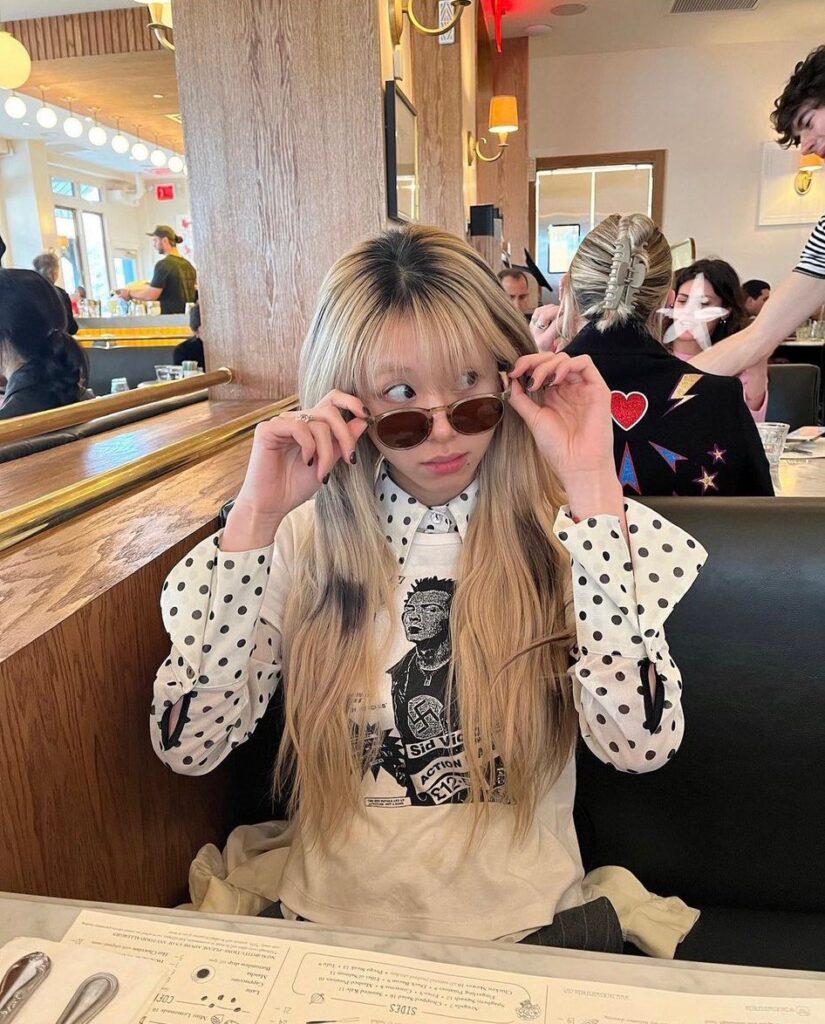
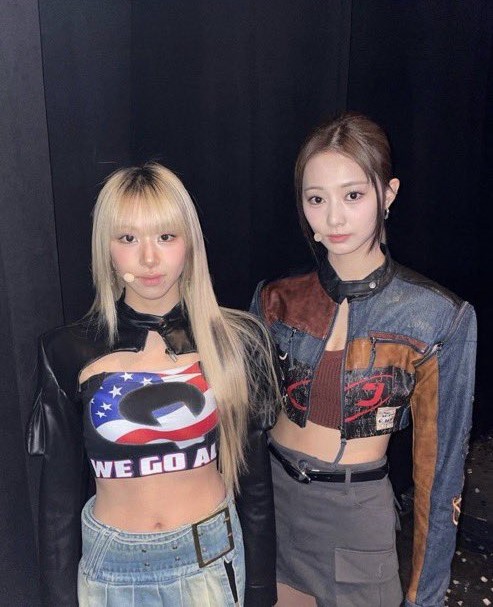
On March 21st, Twice member Chaeyoung posted to Instagram a photo of her wearing a t-shirt with a swastika. This was followed by her wearing a t-shirt with a Qanon logo on their promotions for their third number one album Ready To Be. This incident has led to a discussion of racism, cultural appropriation and lack of accountability in the K-pop industry.
Gangnam Style by Korean solo artist PSY became an instant number one in the singer’s home country of South Korea. However, the song accidentally went viral on YouTube creating the international craze of the horse Gangnam Style dance. This virality caused the song to become number one and stay on the charts for over 50 weeks. It was the first Korean song to chart at number one on the Billboard Charts and arguably started the popularity of Korean music.
Some attribute the song’s success to US Rapper T-Pain tweeting about the song, but much like all viral sensations, there is no real determining factor. Gangnam Style was the first video to reach one billion views on YouTube and currently has 4.7 billion views on the platform.
Now over a decade later, we have seen K-Pop boom internationally. Groups like BTS and BlackPink are currently dominating charts worldwide. BTS were the first Korean act nominated for a Grammy, the first Korean act to sell out Wembley stadium and in 2022, they had the third bestselling album of the year with Proof selling 422,000 psychical copies. BlackPink is headlining Coachella and Hyde Parks British Summer Time Festive, and they are the most streamed female group on Spotify and the most subscribed music act on YouTube.
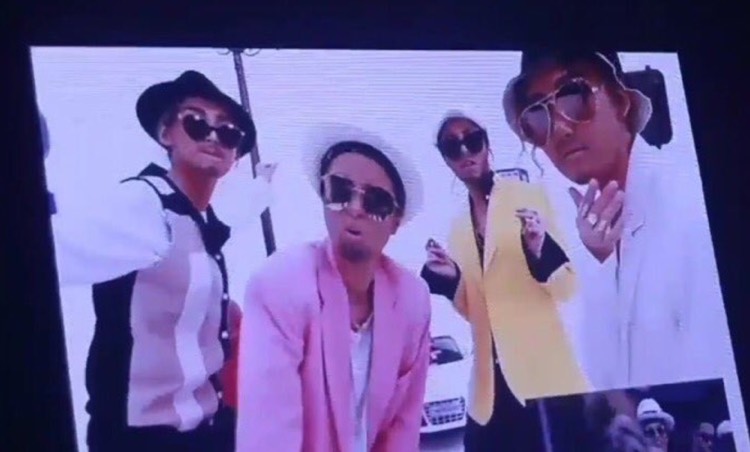
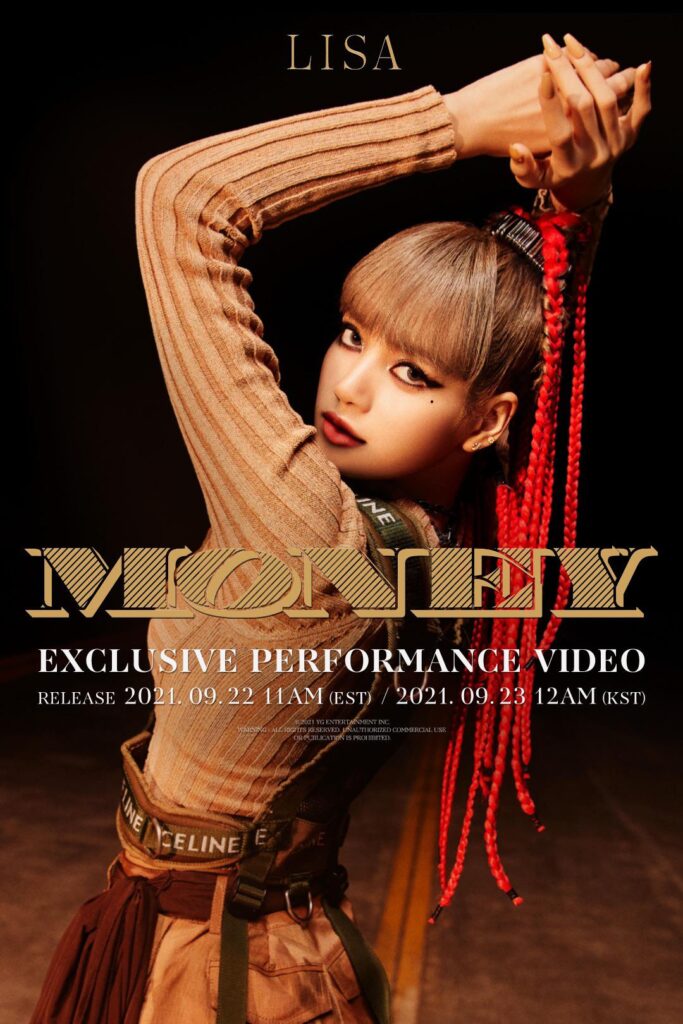
K-pop now has an international platform which generates about £10 billion for the South Korean economy each year. This boom has led to increased profit but also scrutiny over issues regarding racism in the industry and Korea at large and cultural appropriation. Previous instances of racism in K-pop include the girl group Mamamoo dawning blackface when covering Bruno Mars’s Uptown Funk, BTS leader RM saying the n-word or BlackPinks Lisa wearing braids, a traditional African American hairstyle
There was international outrage at these instances of racism, and the musicians quickly apologised for these actions, moving on with their careers unscathed. Kim Seolhyun, a Korean national studying music explained to us why this is an issue, said that: “Straightforward racism is less common in the K-pop industry. It has instead swapped with cultural appropriation, but many Koreans are unaware of what cultural appropriation is.”
However, last year solo singer Crush held a meet and greet where he shook everyone’s hand except the black fans. Last year we also saw solo singer Lee Hi and Aespa member Giselle saying the n-word.
Cultural appropriation in K-pop spans all cultures and religions. NCT used Islamic imagery for their music video Make A Wish. Nature included Hindu gods and practices in their music videos for Rica Rica as props. There is a consistent use of black hairstyles like dreadlocks, cornrows, and box braids by K-pop artists.
A recent example of colourism in K-pop is members of the group GOT were asked to give their first impression of Hyoyeon, who has darker skin. GOT groupmates responded laughing: “She was very dark”.
Fans highlight these instances on Twitter, causing them to trend, thus shedding light on how often cultural appropriation happens in the K-pop industry. They create multiple petitions to try and create change. Recently we have seen an artist that used to work in the K-pop industry bring attention to this issue, like Tiffany Red and the first African American K-pop Idol Alexandra Reid. Current K-pop idols like Lisa from Blackpink have spoken out about colourism in the industry.
Fans have even confronted idols in person about these issues. A fan asked NCT member Hendry to apologise for posting a photo wearing a Rastafarian wig because it hurt minority fans. Hendry responded by saying: “Let’s skip this discussion.”
“When Koreans culturally appropriate from African American culture. It comes from a place of not understanding the history of cultural theft that minority populations in the West have had to endure,” says Dr CedarBrough Saeji, an academic in Korean sociology at Korea’s Pusan University. She is referred to as the K-pop professor. “Other cultures have been used differently in K-pop; it’s about adding ‘exotic’ elements to make it unique and interesting. Korea’s depth of engagement in these cultures is very shallow.”
This issue goes beyond fans as black artists also call out the industry, “They use our culture, they’ll take everything from our culture”, Grammy Award Winner Tiffany Red and retired K-pop songwriter told the Guardian. “I can’t help but think they’ve seen all the concerns and critiques and choose to ignore it.”
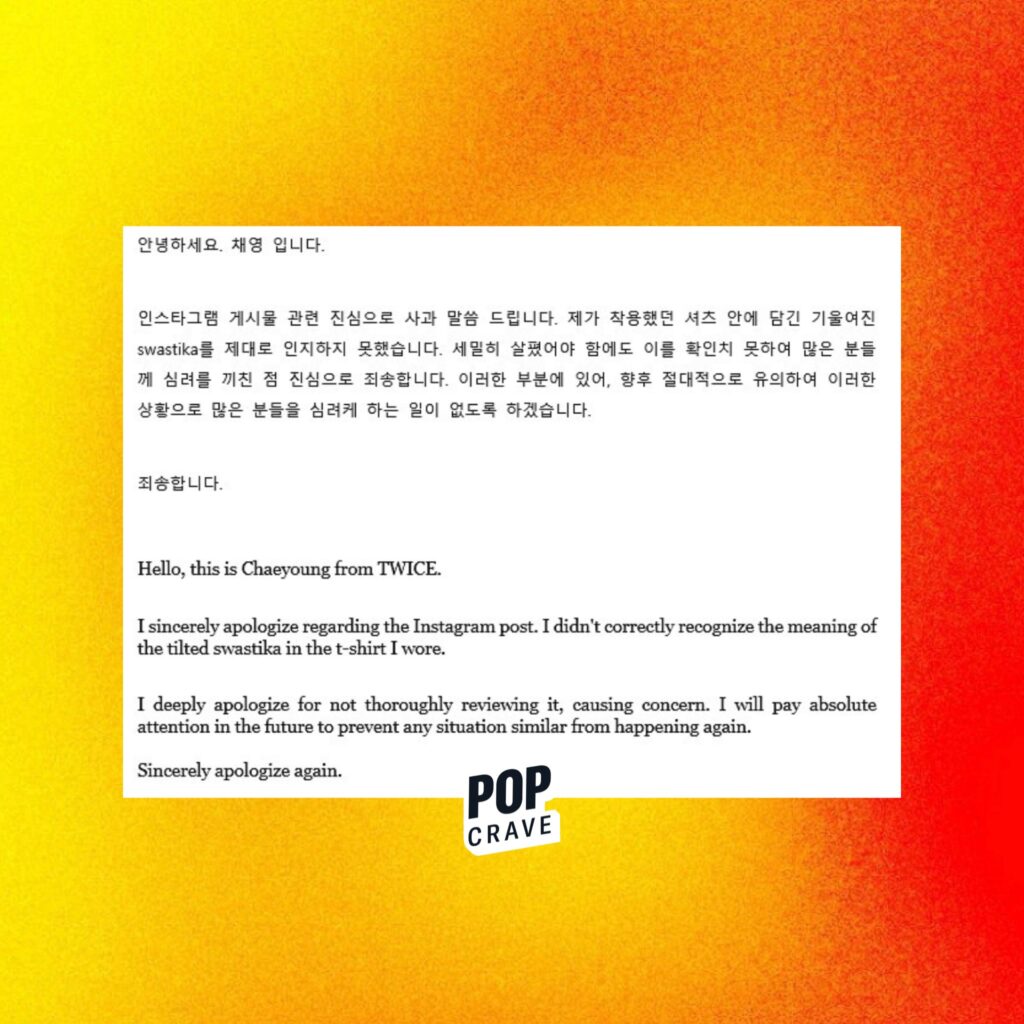
This sentiment is spurred on because apologies or changes are rarely seen in these instances. In the case of Twice’s Chaeyoung she released an apology via her instagram: ““I didn’t correctly recognise the meaning of the tilted swastika in the T-shirt I wore,” she wrote. “I deeply apologise for not thoroughly reviewing it, causing concern. I will pay absolute attention in the future to prevent any situation similar from happening again.” However after posting this apology she continued by wearing the QAnon t-shirt with a saying where we go one, we go all”. This has led to people not believing in this apology.
The sentiment that spurs the outrage is that K-pop is founded on black music. Lee Soo-Man, founder of the biggest K-pop company SM said: “K-pop [is] based on black music.” Park Jin-Young, a founder of titan company JYP, said his music was: “Black music with a K-pop feel”.
“Historically, it was thought by many producers that if they really ‘did’ black culture well enough, then it would not be considered appropriation,” Professor CedarBrough adds. K-pop Idols now release music in English fans often call for more education on these issues.
However, these fans face backlash, Ed Fernandez, a K-pop TikTok influencer, says about his experience of calling out Twice Chaeyoung for wearing braids: “The K-pop fans attacked me because I was holding them accountable. They sent me hate comments about my weight and called me vulgar names. Since then, I was nervous about holding these idols accountable for cultural appropriation.”
There is a divide in Korea between foreigners talking about Korean education. Some Koreans believe that this is a Korean issue which Koreans should solve. Seolhyun said: “I find it very irritating when foreign fans talk over Korean fans or people educated about Korea and demand things of the idols or their agencies.”
Others believe, like Lee Gyu Tag, a George Mason University Korean Studies professor, told The Times Korean recently: “They need to learn about different cultures, taboos and histories to understand fans better.”
As K-pop continues to expand worldwide, it’s clear that discord around these issues is rising, too, smearing people’s view of these industries. Ed Fernandez says: “Cultural appropriation is so big within K-pop, and they profit from it. It’s disappointing to see a minority use other minorities.”