
Tatenda Shamiso is a half-Belgian, half-Zimbabwean multidisciplinary theatre maker who spent their youth between the US and Switzerland before moving to London, where they have achieved acclaim and success in the industry.
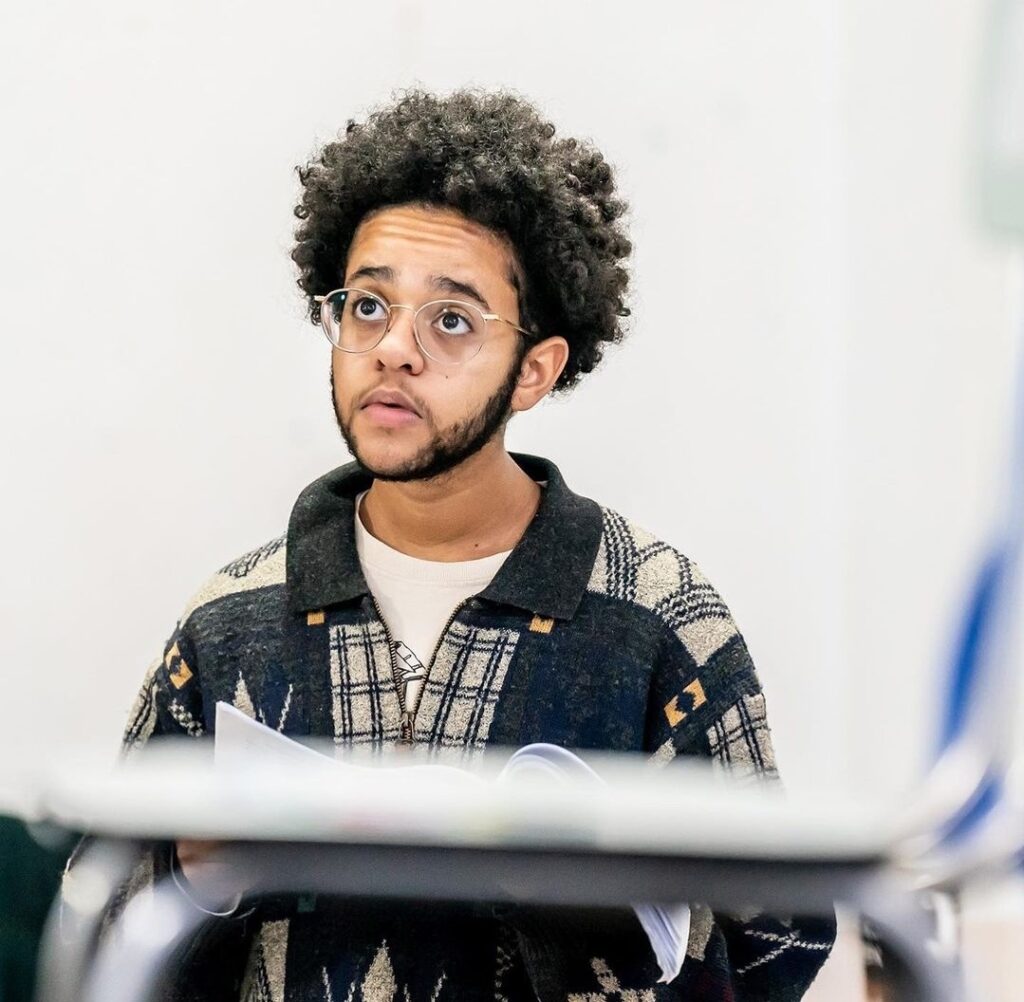
What projects have you been involved in recently?
I have been working on A Streetcar Named Desire. I have been there since October. I was the assistant director; we are transferring To the Phoenix Theatre. I’ve never seen anything at the Phoenix, so I’m excited to work in their beautiful space.
Streetcar Named Desire was revived in The Almeida in December 2022 and finished its run in February 2023. Due to this run’s success, it was given a West-End transfer to The Phoenix theatre from March 20th till April 29th. The revival stars Oscar-nominated actor Paul Mescal.
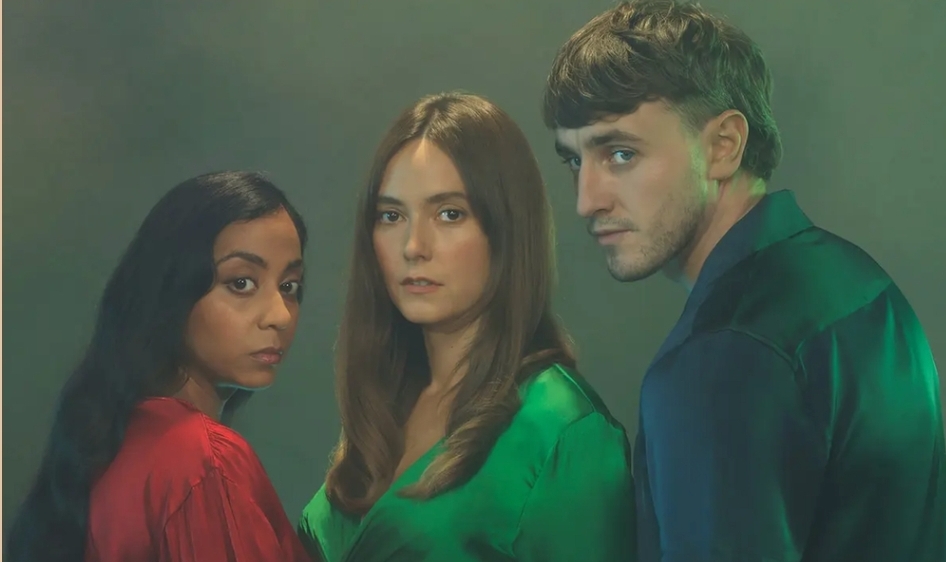
How is that different to working in spaces you have seen before?
It’s a crazy introduction to the space-making show. That’s not what I ever expected to be the case. It is exciting to explore space for the first time as a creator and not an audience member.
What have you been doing on your break?
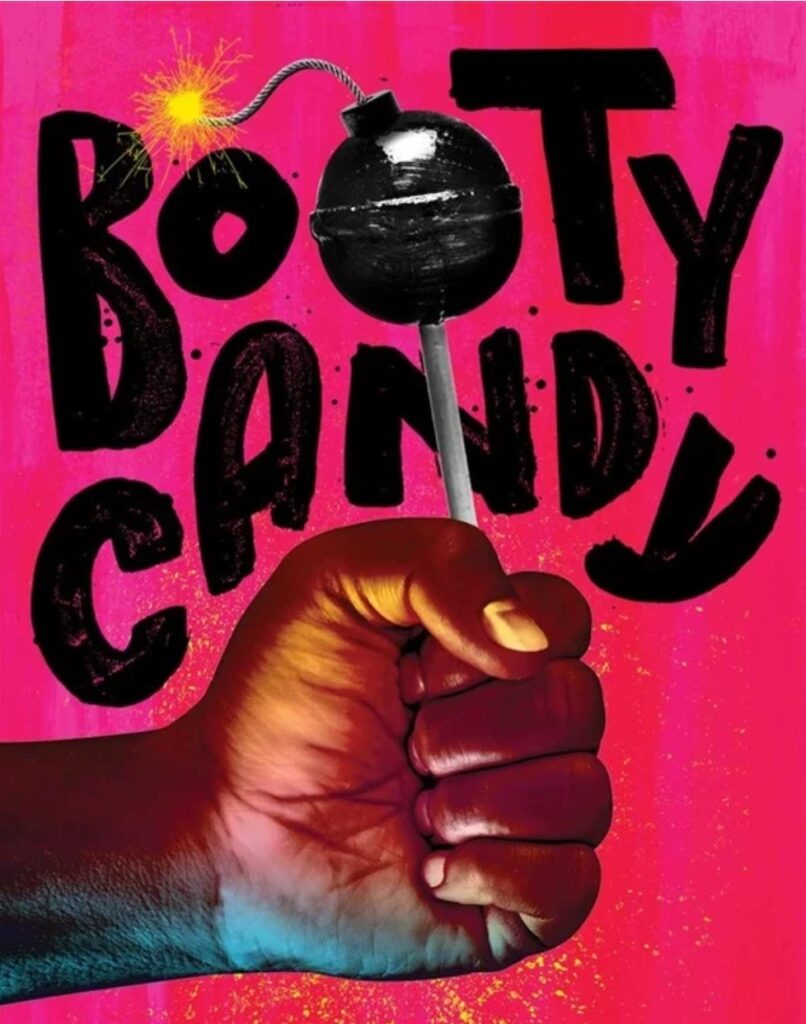
I’ve been working on Booty Candy at the Gate Theatre, where I’m also assistant directing for Tristan Faiduenu. It is an all-encompassing project exploring what it means to be black and queer and it is unlike anything on stage now.
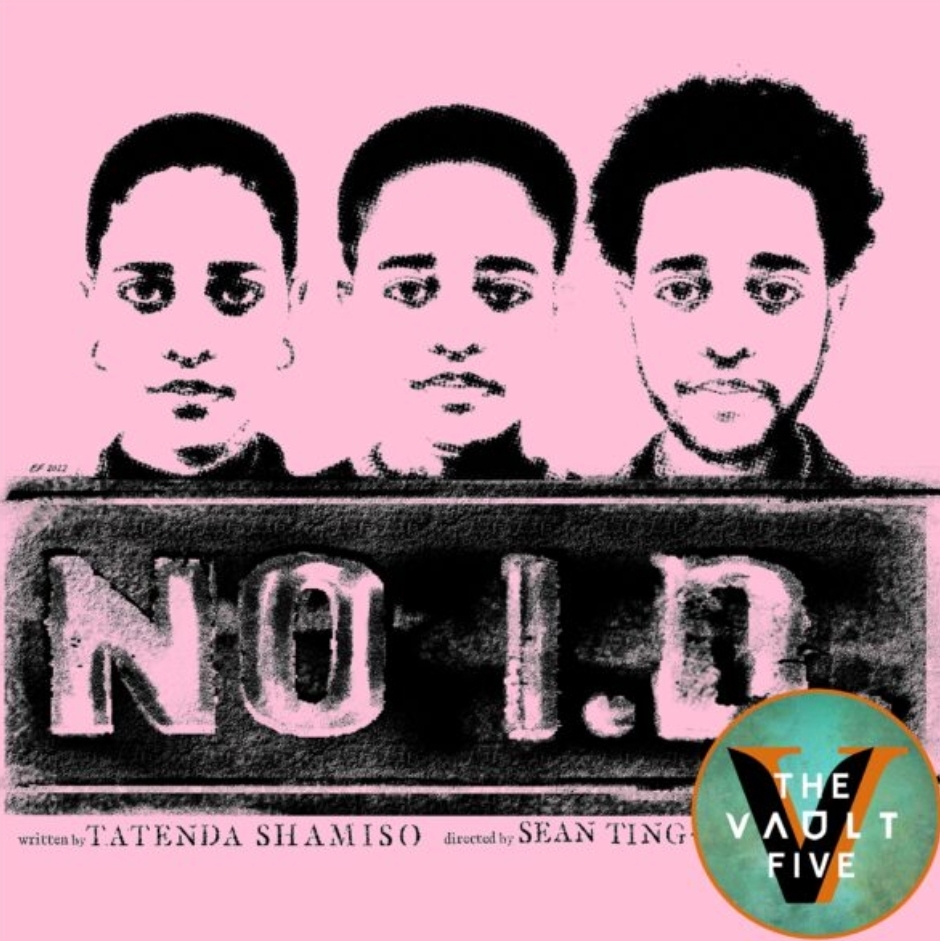
My solo show, No ID, just finished its run at The Vault. It is my third time putting on this production, and it is an honour to continue putting on this show and seeing how it’s adapted with each version.
Can you explain what No ID is for our audience?
The piece concerns my gender transition and how it interacts with bureaucratic life and fitting tick boxes and paperwork on establishing your identity. It’s also an examination and love letter to myself before I transitioned because a lot of trans people don’t have the opportunity to acknowledge the person that they used to be. We’re busy trying to prove that this is who we’ve been the entire time. I wanted to make space to breathe because that person is the person that made me. It’s important to remember that there were beautiful things about ourselves before we made these important changes. I think it speaks to many trans people, but it speaks to many people who have experienced any transition.
All three of your projects are telling stories of change and coming to terms with identity. Do you think that is what makes the shows you work on and make different from those currently being offered in the art spaces?
In the artistic landscape, no matter the medium, identity is a big theme. We are living in a time of really heavily identarian politics. What sets apart my work is that we’re trying to hold the sad, challenging, and joyful parts with equal weight. I’m used to trans stories that are traumatic. I believe that my work is not doing that.
How do you have time to work on your own projects with such a busy schedule?
I’ve got my dreams, and a lot is getting done in that time. I’m privileged to live with directors and set designers, meaning we have impromptu 2 AM strategy meetings that no one expects.

You fill many different shoes, whether you are an assistant director, actor or writer. What is it that you want to do more of?
Being multidisciplinary as an artist is respected. I love all of it. In an ideal world, if there are 36 hours in your average day, and you don’t need to eat or sleep, I get to spend equal time on all these different aspects of my creativity. I like performing, but I no longer see roles that suit me. I go wherever the wind takes me, ambition-wise. I want to write things that get produced in places, and I don’t even need to be anywhere near them. I don’t need to direct my writing; I’m happy for someone else to create their vision. I want to be able to write the kind of work that any director would like to direct. I’m excited to have the opportunity to be able to direct with a capital D and not to be assisting. Although, I am so happy to assist now because you don’t have anything to prove. You are in the room and get to learn and contribute what you want, but you don’t have the industry pressures.