
Luxury fashion often takes inspiration from around the world, but sometimes that inspiration comes without giving credit where it’s due. Indian crafts and styles have appeared on global runways time and time again, often renamed or rebranded along the way. It raises the question: where does appreciation end and appropriation begin? Let’s look at some of the most talked-about moments where that line was crossed.
1. Prada’s “Kolhapuri” sandals
In 2025, Prada debuted $930 leather sandals on the Milan runway that were near-identical to traditional Kolhapuri chappals, a craft dating back to the 12th century. Following significant backlash for not crediting the Indian roots, Prada later announced a limited-edition “Made in India” collection in collaboration with local state-backed entities.
2. Gucci’s “Indy full turban”
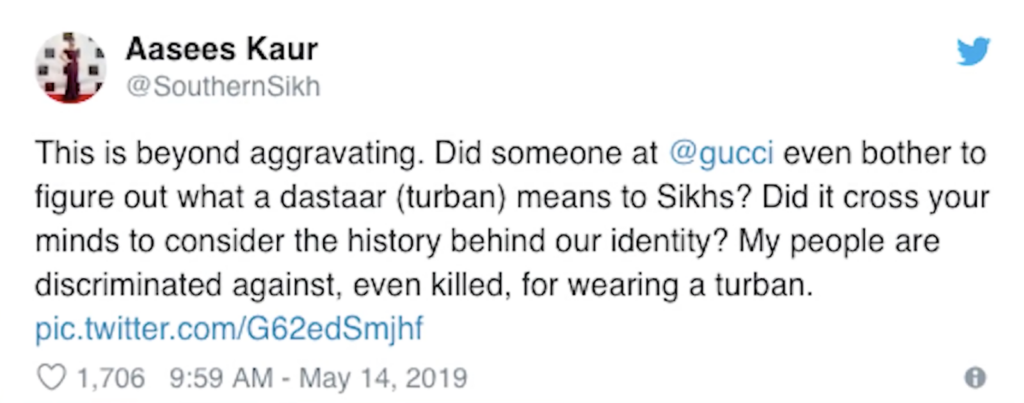
Gucci sold a headpiece resembling a Sikh turban for nearly $800 in 2018, initially labelling it the “Indy Full Turban”. The Sikh community condemned the brand for commercialising a sacred religious article of faith as a “fashion accessory”.
3. The “Scandinavian scarf” Erase

In 2024, fashion rental platform Bipty went viral for calling a sheer, draped shawl a “Scandinavian scarf,” describing the look as “very European” in a TikTok video. South Asian viewers quickly noted the silhouette was unmistakably a dupatta, a garment worn for centuries across India. Around the same time, brands like Reformation released similarly styled scarf-draped sets framed as trend pieces for an obnoxious price point, prompting criticism that the dupatta was being renamed and stripped of its cultural origin.
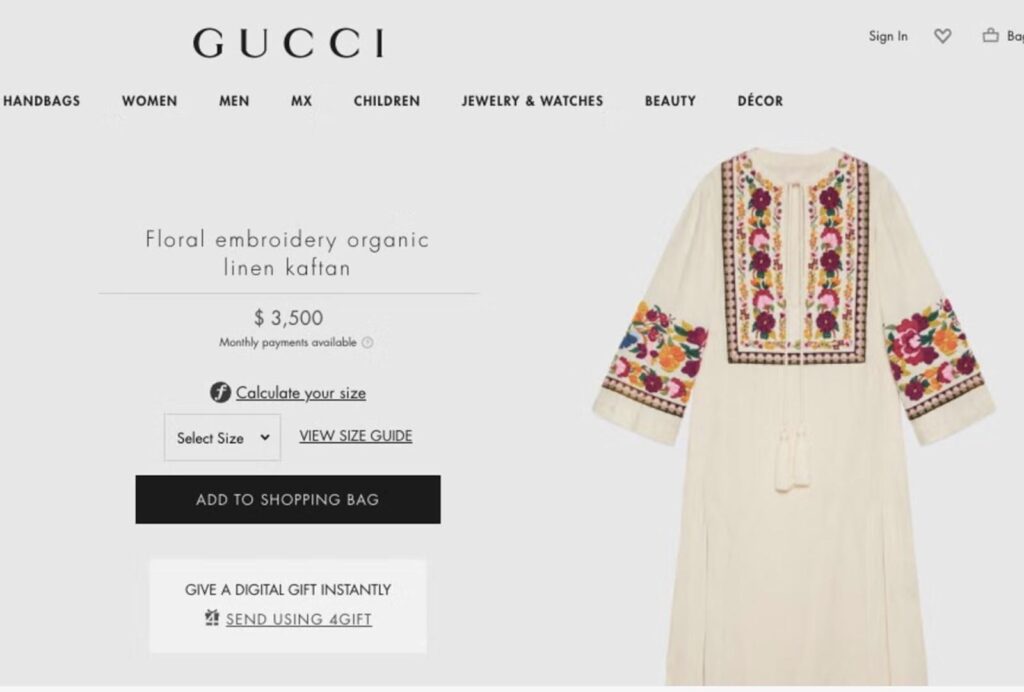
4. Gucci’s $3,500 kurta

In 2021, Gucci faced ridicule for selling an embroidered floral kaftan for $3,500 that bore an uncanny resemblance to a basic Indian kurta, which typically retails for a fraction of that price in local markets.
5. Tory Burch’s “Mirror dress”
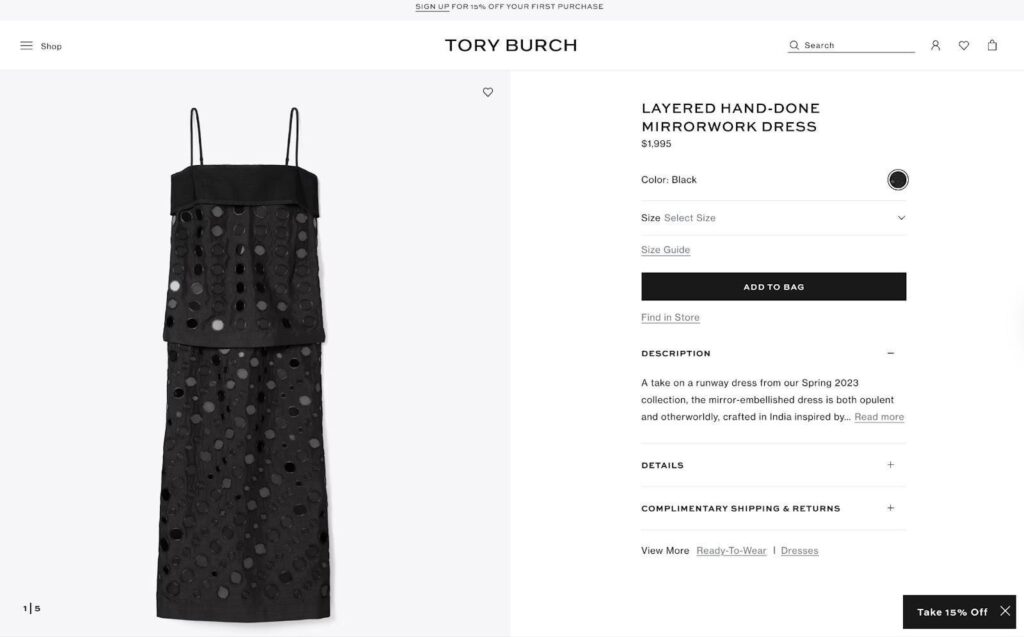
A viral Tory Burch dress was called out in 2025 for using traditional sheesha (mirror work) embroidery from Gujarat and Rajasthan without proper credit. While the brand later noted the dress was made in India, the initial marketing lacked context on the craft’s heritage.
6. Dior vs. People Tree
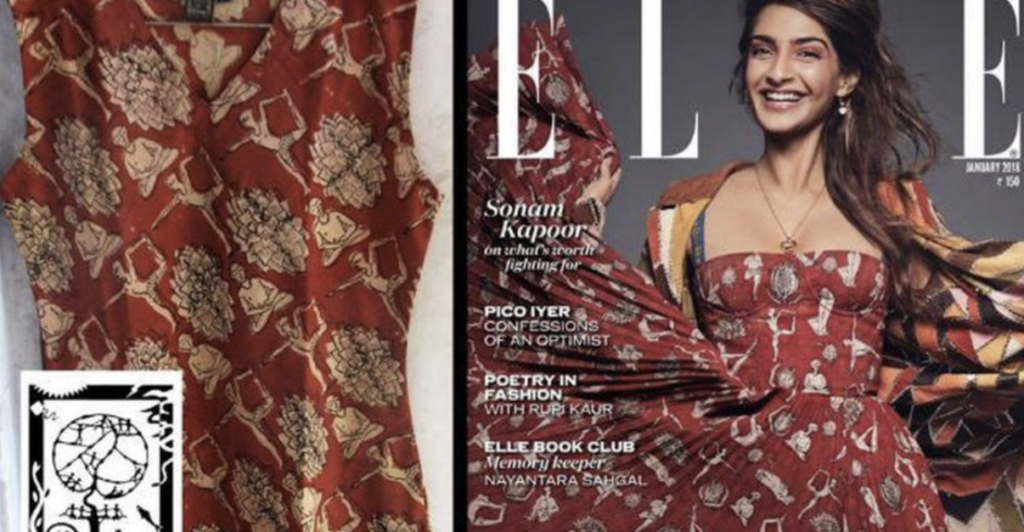
Dior’s 2018 Cruise collection featured a print of yogis and lotus blossoms that was an exact reproduction of designs by the Indian artisan collective People Tree. After a public outcry, Dior reportedly settled with the designer, Orijit Sen.
Leave a Reply