Will Gen Z miss the simple things we take for granted today? A glimpse into our crystal ball will tell all
Remember when buying music meant flicking through record stacks, TV only had three channels, and if you needed to make a call while out, you had to find a payphone? Don’t worry if you don’t but for our parents, that was just normal life. Now, those things are distant memories. Keys, wallet, phone – just the basics for a night out or even a quick coffee run. You grab them without thinking, part of a routine so natural it barely registers.
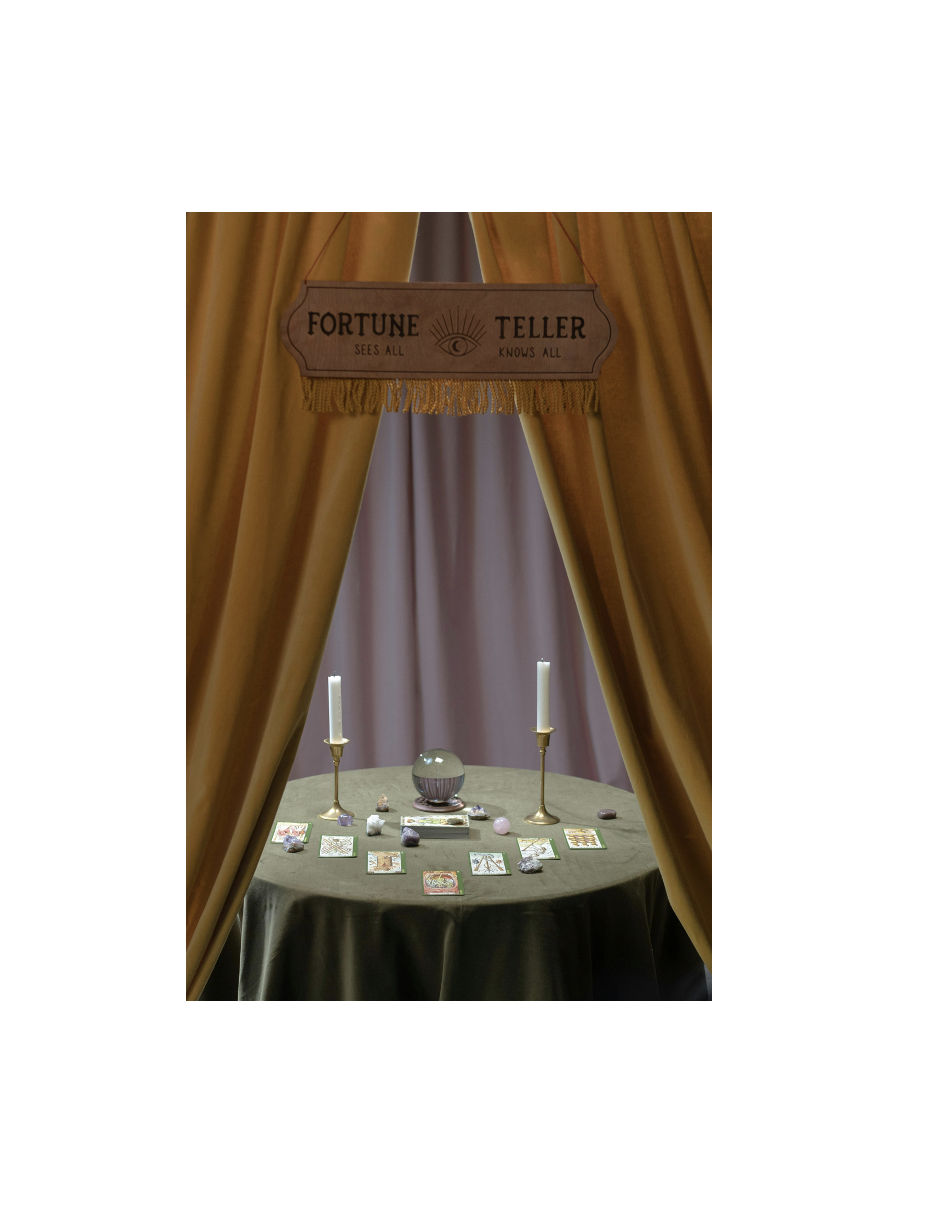
But imagine a world where one of these everyday essentials no longer exists. But even as the future delivers all its tech-fueled wonders, there’s something about those seemingly insignificant, everyday objects that we’ll end up missing the most. According to Professor Fiona Gabbert, an expert in applied cognitive psychology, physical objects act as powerful memory cues, helping us recall moments in ways digital alternatives may never replicate. ‘The more cues we have to a memory, the more likely we are to remember it,’ she explains. So, what will Gen Z, our brilliantly chaotic and self-aware generation, get nostalgic about when we’re older? Let’s take a peek into Circa’s crystal ball and find out…
Keys
She holds up a set of old metal keys, frowning. You pause for a second, surprised she doesn’t recognise them. They used to be everywhere – rattling in pockets, getting lost in bags, marking the end of a long day when you finally turned one in the lock. Now? Doors open with a blink, and security is just a quiet system running in the background.“Keys weren’t just about unlocking doors – they were part of a daily ritual. ‘Tangible objects hold more memory cues than digital alternatives,’ says Gabbert, meaning the physical act of searching for keys, jingling them at the door, or losing them in your bag all helped embed memories in ways a biometric scan never will.”
Through your sleepy haze, you see something familiar- keys? And just like that, it all comes rushing back. The way you’d shake them at the door, desperate to get inside before your bladder gave up. How those little jangling bits of metal once meant safety, freedom, and routine. But now? They’re relics, ancient artefacts in a world where doors open with a blink, and security is just a silent algorithm running in the background. Keys weren’t just about unlocking doors – they were part of a daily ritual. ‘Tangible objects hold more memory cues than digital alternatives,’ says Gabbert, meaning the physical act of searching for keys, jingling them at the door, or losing them in your bag all helped embed memories in ways a biometric scan never will.
Concert Tickets and Festival Wristbands
Remember that stack of grubby, fraying festival wristbands clinging to your wrist like a badge of honour? The ones that definitely didn’t qualify as jewellery but somehow became a permanent part of your aesthetic, at least for a few weeks or months longer than socially acceptable. Each one held a story, a memory, a flex.
Fast forward, and we’ve entered the barcode era, the QR code dystopia – where the only proof of your experience is a screenshot buried on your camera roll. Gabbert explains that physical mementoes help strengthen memory recall, “the more cues we have to a memory, the more likely we are to remember it. Therefore, theoretically, it makes sense that a physical item (something that can be held, touched, has a weight, and presence, etc.) holds more cues than a 2D digital alternative”. Soon, even digital mementoes like TikToks and blurry videos of your favourite artist from 300 metres away will feel like ancient relics. The keepsakes are vanishing, and with them, the magic of physically holding onto a moment.
School Supplies
Notepad? Tick. 24-pack of gel pens? Tick. 24-pack of glitter gel pens because why not? Tick. Scented markers that definitely smell nothing like the fruit on the label? Tick. A pencil case so oversized it could double as a travel bag? Tick. An unnecessary stack of highlighters in every shade from neon yellow to that weird off-green no one ever uses? Tick, tick, tick.
As we enter an age where laptops seem to do everything better – where all your group work is on a shared document, and coursework is due on the virtual site there’s a quiet sadness for the humble, trusty pen and paper. “Writing in a notebook, doodling in the margins, painstakingly underlining notes – these small acts may have helped us remember things better. ‘We rely on digital devices to remind us of things, which is changing how we retain information,’ says Gabbert. Maybe that’s why typing on a laptop never quite feels the same as scribbling in a notebook.”
Photo Albums
No way, that’s you? You look like a completely different person. You laugh as someone points at a baby photo, barely recognising yourself as the squishy-faced newborn staring back. You flip the page and land on another picture – either you or your little sister, it’s hard to tell. Your mum used to dress you both the same at that age, making it confusing for everyone, including her.
How many of us have actually taken the time to build a physical photo album, contributing to its slow extinction? Instead, we organise my memories into TikToks and Instagram dumps of my best moments and travels. A modern archive, but somehow, it’s just not the same.
“Memories are changing in a digital environment – we even edit people out of photos” says Gabbert. Unlike curated Instagram grids, old photo albums preserve moments exactly as they were, unfiltered and raw.”
Receipts
OK, hear us out right now, receipts are little more than annoying scraps of paper cluttering the bottom of your bag, often crumpled, fading, and barely legible. We throw them away without a second thought, barely giving them a glance as we search for our keys or that half-eaten pack of gum. But in the future, when everything’s digital and there’s no physical trace left of our purchases, those receipts might become surprisingly nostalgic.
“The physical presence of an item helps cue memories,” says Gabbert. “When everything’s stored in the cloud, will digital statements ever evoke the same nostalgia?” No longer just a record of a transaction, receipts will become like little time capsules – tiny, often overlooked mementoes of days gone by. And as strange as it sounds, we’ll probably find ourselves holding onto them a little longer, cherishing the odd little reminders of what life used to be like when everything wasn’t stored in the cloud.
Cash
Gen-Z might look back at carrying cash like it was some ancient ritual. In a world where everything’s digital, the thought of coins and notes will probably seem a bit ridiculous. But honestly? We’ll miss it. There was something oddly satisfying about watching your spare change pile up, enough for a coffee or snack. You could feel it – the weight of it, those tiny little victories every time you pulled out a coin.
The weight of coins in your pocket, the rustle of a tenner – it made spending feel real. ‘Nostalgia isn’t just visual; sounds also trigger memories,’ Gabbert explains. As cash fades away, will we even remember the thrill of counting out exact change for a coffee? Sure, digital payments are fast and seamless, but there’s something about handing over cash that makes it all feel more real. In a world where everything’s abstract, it’s the little physical moments we’ll end up missing. When everything’s invisible, we’ll find ourselves nostalgic for the things we once took for granted.
As we step further into a future driven by convenience and digital everything, it’s easy to forget about the small, seemingly insignificant things that once made life feel so… well, human. Whether it’s the rustle of a receipt, the jangle of keys, or the hunt for the perfect DVD, these everyday moments were a part of our rituals- our little ways of marking time and creating memories.
So, as we trade in tangible keepsakes for the latest tech, perhaps it’s worth taking a moment to appreciate what we’re leaving behind. Because when the digital world becomes all we know, we’ll likely find ourselves nostalgic for the messy, imperfect, but wonderfully nostalgic bits of life that were once ours to hold on to.