
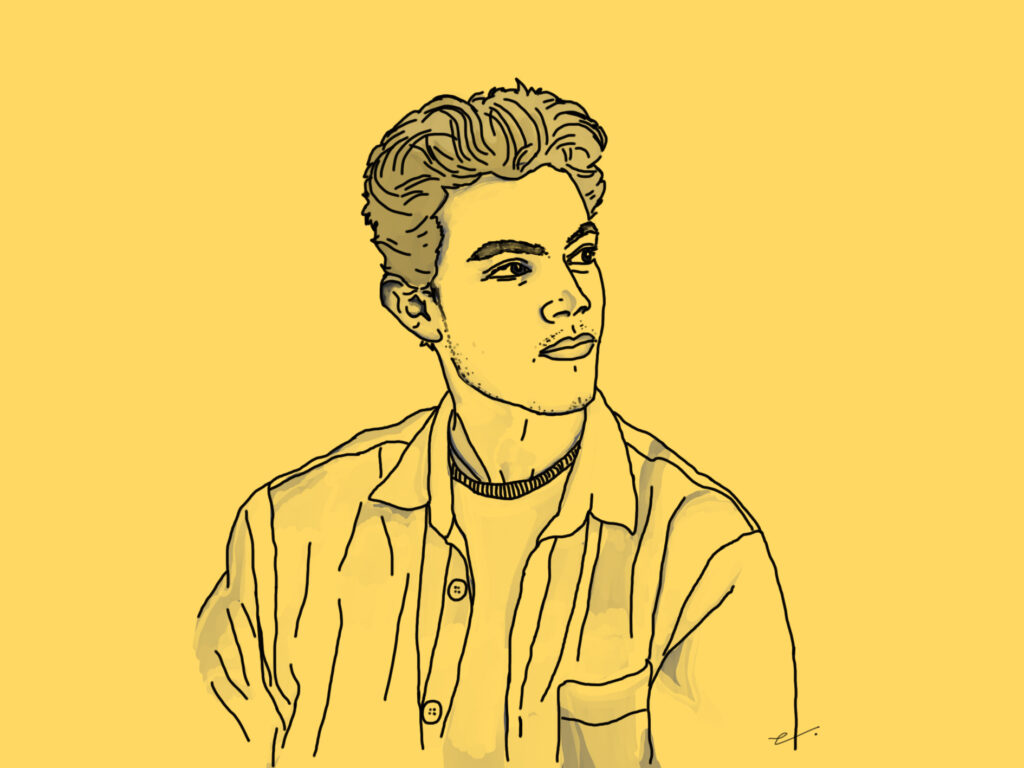
We caught up with one of Southeast London’s rising talents, Julius Richard, a 23-year-old freelance musician, artist, guitarist and session player, based in Brockley. Listen to some of Julius’ tracks on Spotify and keep up to date on his Instagram.
Where did you grow up? Where have the last 23 years taken you?
I was born in Swansea in Wales, and pretty quickly after that moved a bit to Leeds where I was in primary and secondary school. When I was 14 years old, we moved to Ethiopia. I came to London three years ago, straight to Goldsmiths.
What instruments do you play?
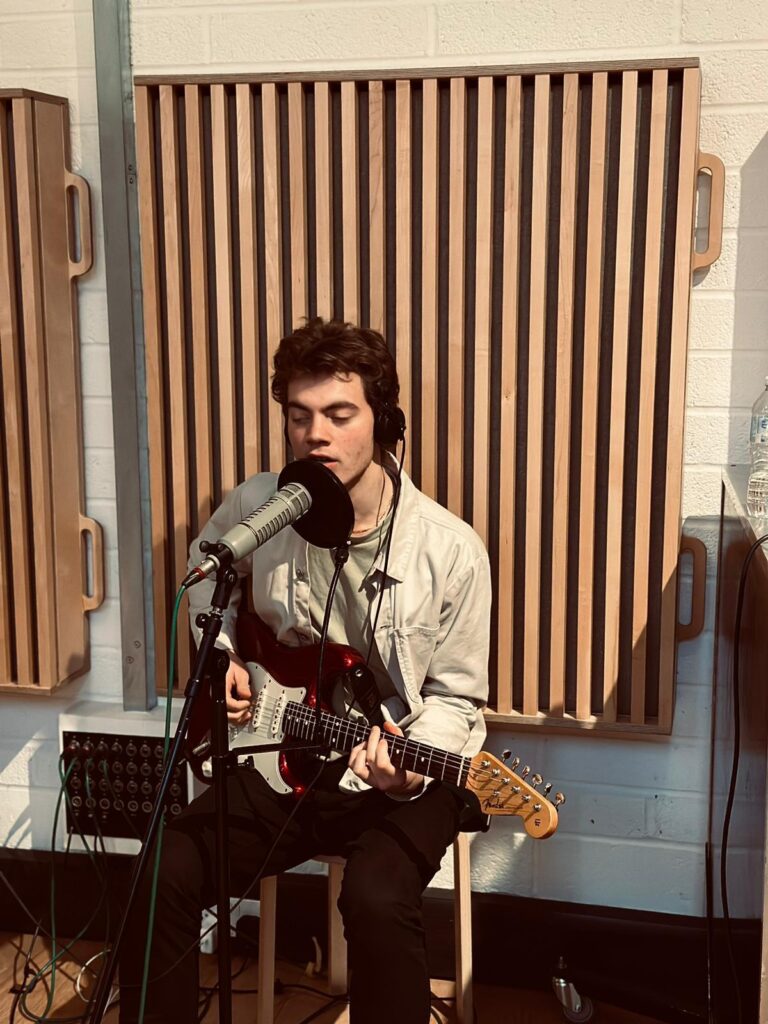
I’m a guitarist and I sing. I play a bit of bass, and play this instrument called the Krar which is an Ethiopian harp.
How would you describe your personal music style?
Indie pop, something like that.
Any favourite tracks you’ve released?
I’ve got a song called Dreams Adrift, which I wrote when I was 17.
How do you think living in Ethiopia has influenced your music style?
I had a guitar teacher, he’d come to my house, he was a local jazz musician so he would show me Bob Marley songs, basic Jimi Hendrix stuff, whatever. He taught me all the Ethiopian scales, all the rhythms, and got me listening to Ethio-jazz as well. Then there’s a guy called Abegasu who I studied with, he’s a record producer in Ethiopia and has done a lot of Ethio-jazz and does all the big artists out there in terms of radio releases.
What collaborations are you working on?
I’m working with several producers. I’m collaborating with a guy called Justin. We’ve got a big four-piece brass section. I’m doing a jazz-gospel fusion project and we’re probably playing a gig every two or three weeks here in London. I started out in Ethiopia doing an Amapiano thing. We did a band with my trio, just got on stage, had a little play on our instruments with the DJ and everyone who went there said it was one of the best concerts of their life. We were just having fun, messing around with the crowd, then at some point this guy came up on the stage and grabbed my little Egyptian drum, started playing, everyone’s going crazy, and he hits it so hard that his fist went through the thing. He was just there, looking around, it all kind of went silent, and we’re all looking at it and then he dropped it and ran out of the compound. It was so funny.
Did you keep the drum?
Yeah, it’s got a fist shaped hole in it.
What makes good musical fusion for you?
When there’s two genres coming together, if they can find a way to share common ground, whether that’s in the fact that both genres involve dancing, then you can actually try and put them together in a club. We did that with an Amapiano party, so you have two groups of people, you have the 20 somethings who’ve come to see Amapiano, and they’re wearing their sunglasses and they’ve got their little whistles and all of that. And then they show up, and it’s just some Ethiopian guys on stage wearing some crazy clothes, playing instruments they’ve never seen before. But then we managed to actually get (fusion), I think because of certain individuals in the show who were bridges, like DJ Binyam, my friend DJ Rastazaria, myself to some extent. We could play off both sides, and it wasn’t a compromise situation, where everyone is happy because there’s a little bit of their thing and they’re holding on to that and that’s good enough for them. It was really a whole new thing.