
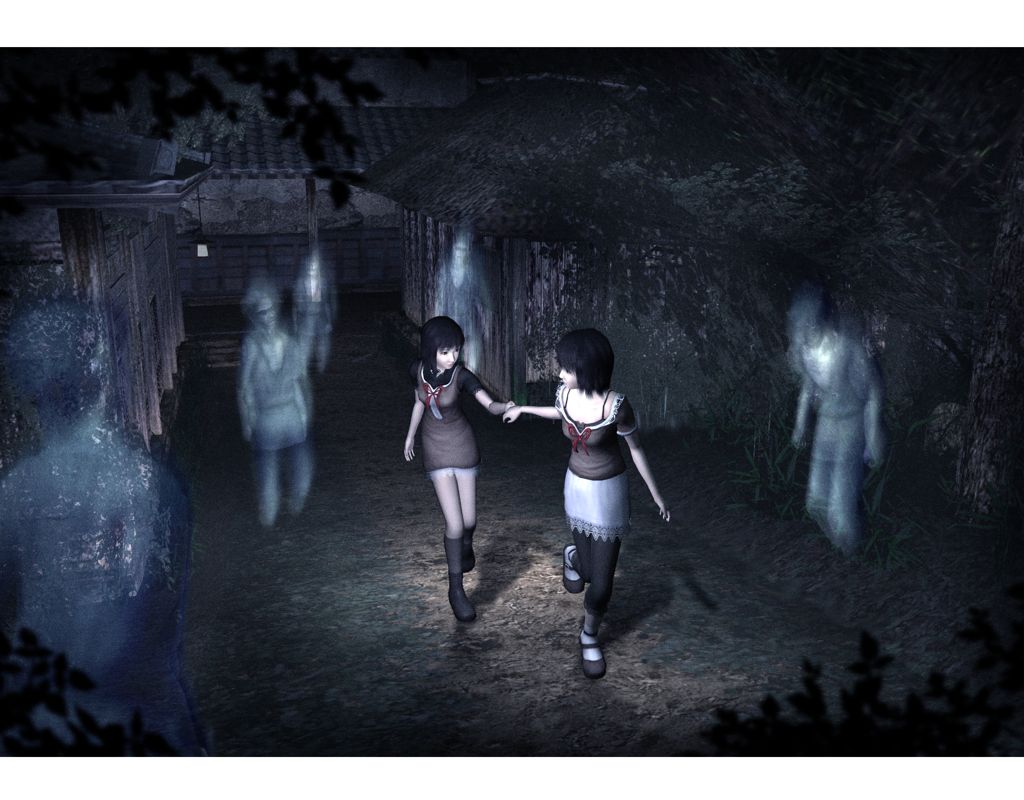
Everybody knows her and, frankly, everybody loves her: Lara Croft. The classic heroine is clad in a skin-tight, teal tank top and light brown shorts that are impractically short. A leather holstered belt sits comfortably on her hips, secured by garters, and her sparse fingerless gloves and thick black combat boots express that she’s always ready for action.
Considering the first Tomb Raider game was released in 1996, is Lara Croft still relevant? Undoubtedly. She is currently the most cosplayed female protagonist in a video game, with almost 70,000 posts on Instagram of people sporting her iconic attire. Her clothes are crucial – it is what kept her alive over the years.
Nowadays, however, it is less about cosplaying or dressing up as a video game character (though the cosplay community is still thriving), and more about the creative ways to incorporate a video game character into an outfit. This can be seen in the many fashion trends that have arisen on social media in the past year. It is not quite clear how they emerge, but fashion girlies and female gamers alike can agree that video game fashion trends provide satisfaction like no other.
“People tend to act rudely if they find out that you’re a girl playing [a game] or they tend to act very differently,” says 23-year-old Rachel Wong, an occasional gamer. She explains that if you’re a girl doing badly in a game, people will call you out on it, but if you’re doing well, they’re still going to judge you. “There is no win-win for girls in the gaming community, even though we’re trying our best.”
Female gamers are subject to gender-based discrimination, harassment, and verbal abuse when playing online games – an issue that persists in the gaming community. Though this may not be true for every online game or woman who plays video games, it is something that cannot be solved easily. Female gamers, who may also be interested in fashion and clothing, have found solace amongst each other to combat this negativity. More specifically, there is a community out there with a common interest: combining fashion with video games.
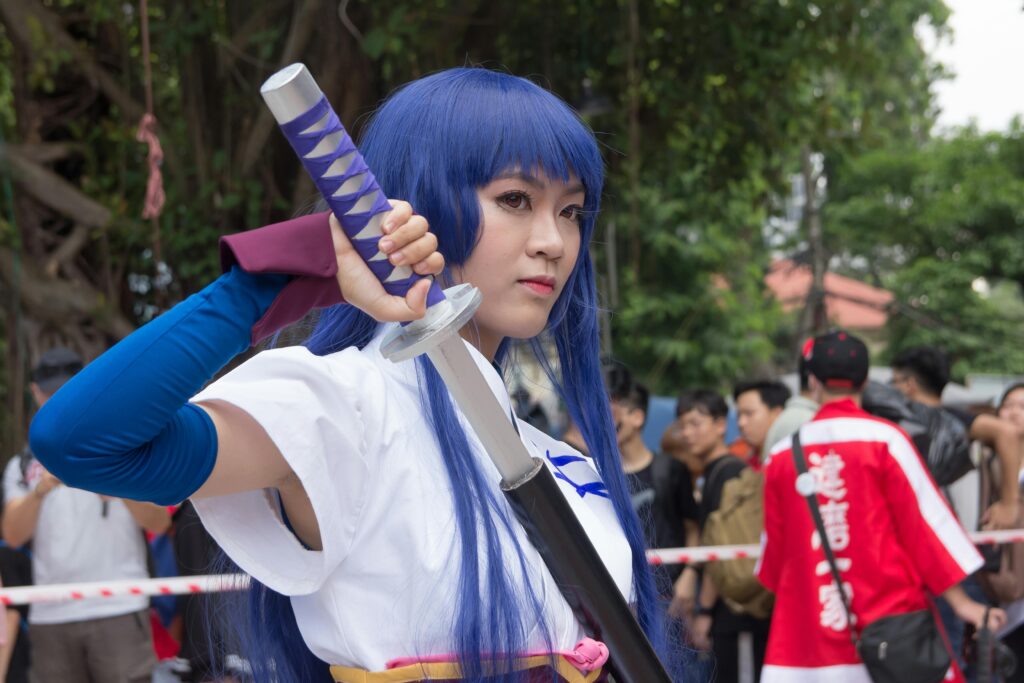
It would not be right to delve into the world of video game fashion trends without first mentioning cosplay. The term ‘cosplay’ originated from ‘kosupure’, a Japanese word that combines ‘costume’ and ‘play’ together. Unlike what many people think, cosplay did not arise from anime or video games. Its history dates as far back as the Masquerade balls of the 15th century. Cosplay was first documented when Mari Kotani, a future science fiction critic, wore a costume based on A Fighting Man of Mars’ cover art in 1978. Fast forward to 2024, the cosplay community is as big as ever.
Ayla E, a content creator known as @batsicosplays, shares that her experience being a cosplayer over the years has been overly positive. She feels empowered mainly through “bringing my favourite characters to life and collaborating with friends, but I also love that I get to do it as a job.” Ayla also adds that there are “so many different women in the community and they’re all so inspiring and creative.”
The cosplay community can be wonderfully warm and accepting; no wonder it’s growing in size. Cosplayers like her find empowerment and confidence in numbers, and would not continue if it weren’t for the support of other people. In fact, the cosplay market sits as a $4.8 billion industry as of 2023 and is expected to increase to $8.7 billion by 2033.
Ouji fashion took a particular corner of TikTok by storm early last year. It is the boyish counterpart to Lolita fashion and is a style that embodies a young Victorian prince (through waistcoats, frills, monocles, etc). It became popular on the social media platform because of Genshin Impact, an open-world RPG where players can play characters that have gorgeously detailed and unique outfits. Some characters even wear Ouji outfits.
These fashion videos on TikTok surpassed millions of views during its peak. Rachel, who is also a big fan of the game, sees the appeal behind this trend as “girls are not just all about dresses so trying something new or out of your comfort zone, like Ouji fashion, can be very exciting.” For some, it is liberating to wear clothing styles that deter from traditional femininity. Ouji fashion is an inspiring trend for those who are experimenting with their style but it also proves that clothes truly have no gender.
At the end of summer last year, audio circulated on TikTok of a woman saying “Today I’m going to be showing you how to dress like you’re a horror game protagonist.” Quickly, hundreds of videos followed suit and thousands of users on TikTok were dressing like main characters and sharing outfits online. Contrasting Ouji fashion, this trend involves conventionally feminine items of clothing, like miniskirts and white blouses, and takes direct inspiration from the protagonists of Resident Evil 4, Fatal Frame, and Silent Hill 3.
The internet has seen countless sweet, delicate, and girly fashion trends (such as the everlasting Coquette aesthetic), so what makes the ‘horror game protagonist’ trend any different? Truthfully, it is not much different. But, it is the exact reason why it grew popular. Trends will always have their similarities – if they worked before, then they will have no problem working now. The horror game protagonist trend, however, may appeal slightly more to those who are familiar with the early 2000s games.
“A [game] user can have a more personal relationship to a character or avatar,” explains Heli Salomaa, fashion lecturer at Victoria University of Wellington. She also has years of experience in costume design for video games and has worked on the costumes for characters in Control in 2019. Heli adds that video game fashion trends are “different to whatever else you see on social media because you actually have that feeling of control over a character or you can project your identity onto them.”
The key takeaway is that video game fashion trends have a character, a story, and a voice behind them, ultimately making them more personal and interesting. This reasoning can be applied to social media’s latest video game fashion trend: Bayonetta glasses.

Unlike the previous trends, this one focuses more on the accessories and appearance of Bayonetta, the eponymous protagonist of the game series. Social media works in weirdly wonderful ways; it’s incredible how a singular pair/style of glasses can get the internet talking. But maybe because it’s also synonymous with another fashion trend known as the ‘office siren’ trend.
Video game fashion trends aren’t just an outlet for empowerment or relatability. Heli says that it’s important to look beyond that. She would even “probably detach it from empowerment and look at it more as games becoming popular and a socially accepted form of entertainment.” She adds that video game fashion trends “are a more broadened variety of inspiration that comes from popular culture.” So, you don’t need a deep reason to participate in these trends. It’s completely fine to want to participate out of curiosity – they’re trends after all.
Whether you feel empowered and liberated by these trends or don’t feel anything at all, your fashion choices are yours and yours only. They are an internet phenomenon that is not just loved by female gamers, but truly anyone who is exposed to such videos – it might even be the next trend you participate in. While these trends are unpredictable and it’s unclear which female protagonist is next, keep in mind that the next Tomb Raider game was teased not too long ago. Could Lara Croft be the inspiration behind the next big video game fashion trend?