A surge of young people are finding a solution to rent inflation, housing scarcity and mouldy flats in the home of mum and dad
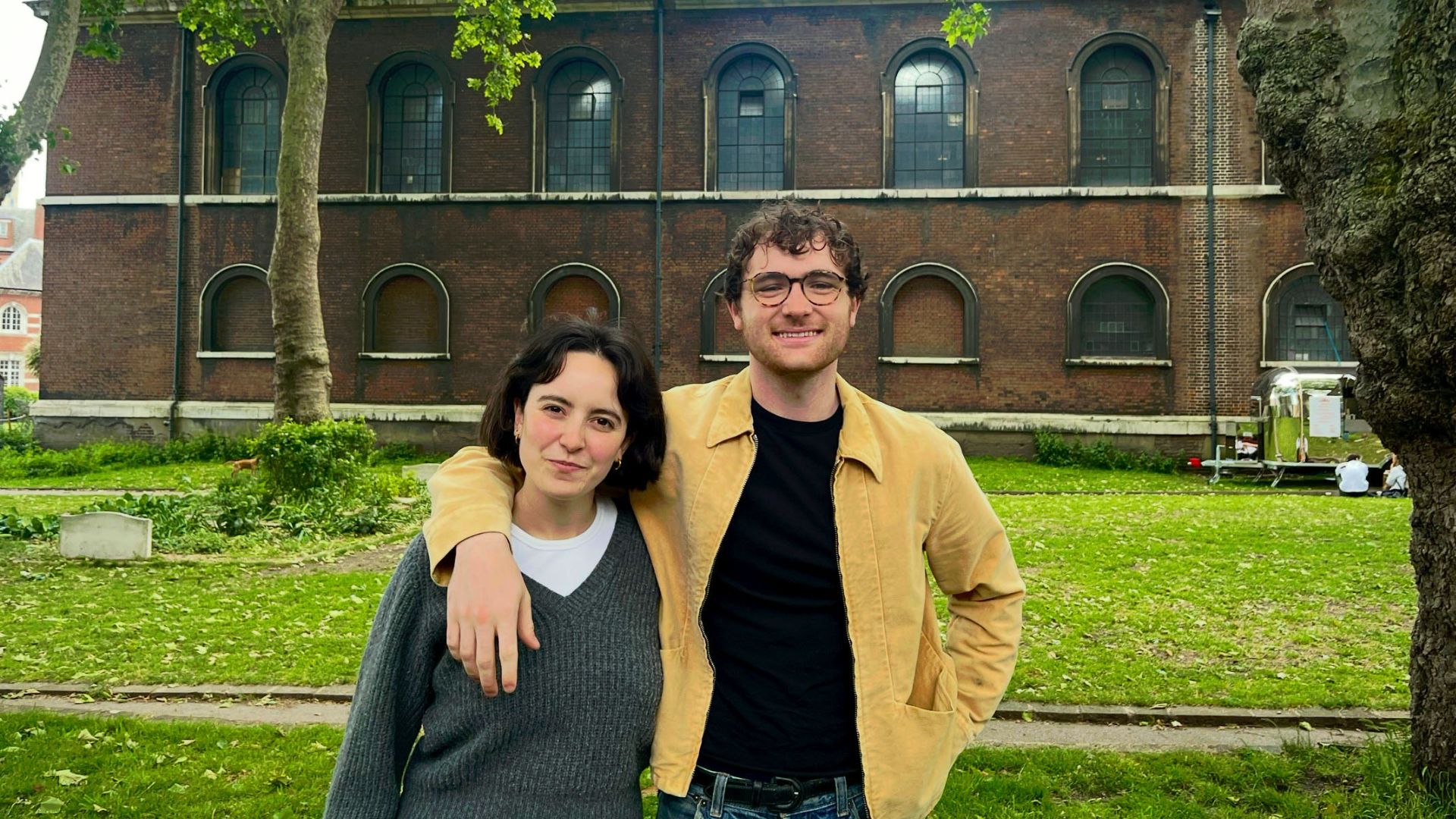
Ollie MacNaughton, 27 has been living in a two-bed flat in the leafy West London neighbourhood of Chiswick with his school friend for a year. On paper, Ollie has it all – an undergraduate and master’s degree from two of the country’s top universities, a graduate job in a competitive, sought-after industry. Yet Ollie is facing an issue that is all too familiar to young Londoners: he can no longer afford to pay his rent.
“Everything has been so expensive at the moment, the council tax in our flat is so high, the rent is really high. It can be so overwhelming when you look at your bank account and see that you spend so much money every month,” he says.
But Ollie has found a hack to dodge the extortionate costs of living independently in London, while still being able to stay in the capital. At the beginning of July, he is moving back in with his parents.
Ollie is one of many young people who have been coined the “boomerang generation” – a swath of young adults who have moved back in with their parents, having lived away from their family home for an extended period of time.
This continuing phenomenon has been a defining experience for a generation of adults in their twenties and early thirties, encompassing the strains of the housing crisis and the struggle into adulthood. According to the latest research, the rate of boomerang kids is rapidly increasing. Almost a quarter of parents with adult children have experienced them moving back home for an average of two years, new research shows. The average age of those who moved back in with their parents was 26.
This is a vast difference to the early adulthood of previous generations. According to a 2024 Financial Times report, almost half of 18 to 34-year-olds in the UK lived in their own property they had purchased, the most common arrangement for young adults at that time. Today, only one in five young adults fall into that category. 40 per cent of 18 to 34-year-olds now live with their parents, the most common living arrangement for the age group.
For young adults today, owning your own property is no more than a pipe dream, and in cities like London, even just finding a place to rent is a painstaking task. Private developers, bidding wars, mouldy flats, sporadic rent hikes and queues down the street just to view a boxroom have made the London rental market a nightmarish hell-scape.
“When you say you’re moving back in with your parents, I think that previous generations would see it as a sign of failure…”
This was the case for Johnny Frye, 25, who moved in with his parents in the suburban London Borough of Bromley after renting a flat in Deptford with his friends for two years. “We hadn’t been offered to renew our contract and then we found out that our rent was going up by £200 each,” he says.
Johnny was reluctant to move back in with his parents. The cost of living in London was not just a financial burden, it took an emotional and mental toll. “I felt like a bit of a failure,” he says. “Moving back in with my parents was two steps backwards. It’s not normal for them (Johnny’s parents), they both moved out when they were 18. Their generation doesn’t really understand that it’s quite difficult for our generation and that it doesn’t really work the same.”
Ollie echoes this perceived sense of failure. “When you say you’re moving back in with your parents, I think that previous generations would see it as a sign of failure, that you’ve spent too much money. Whereas now, it makes complete and utter sense to do what you can to save up as much money as possible,” he says.
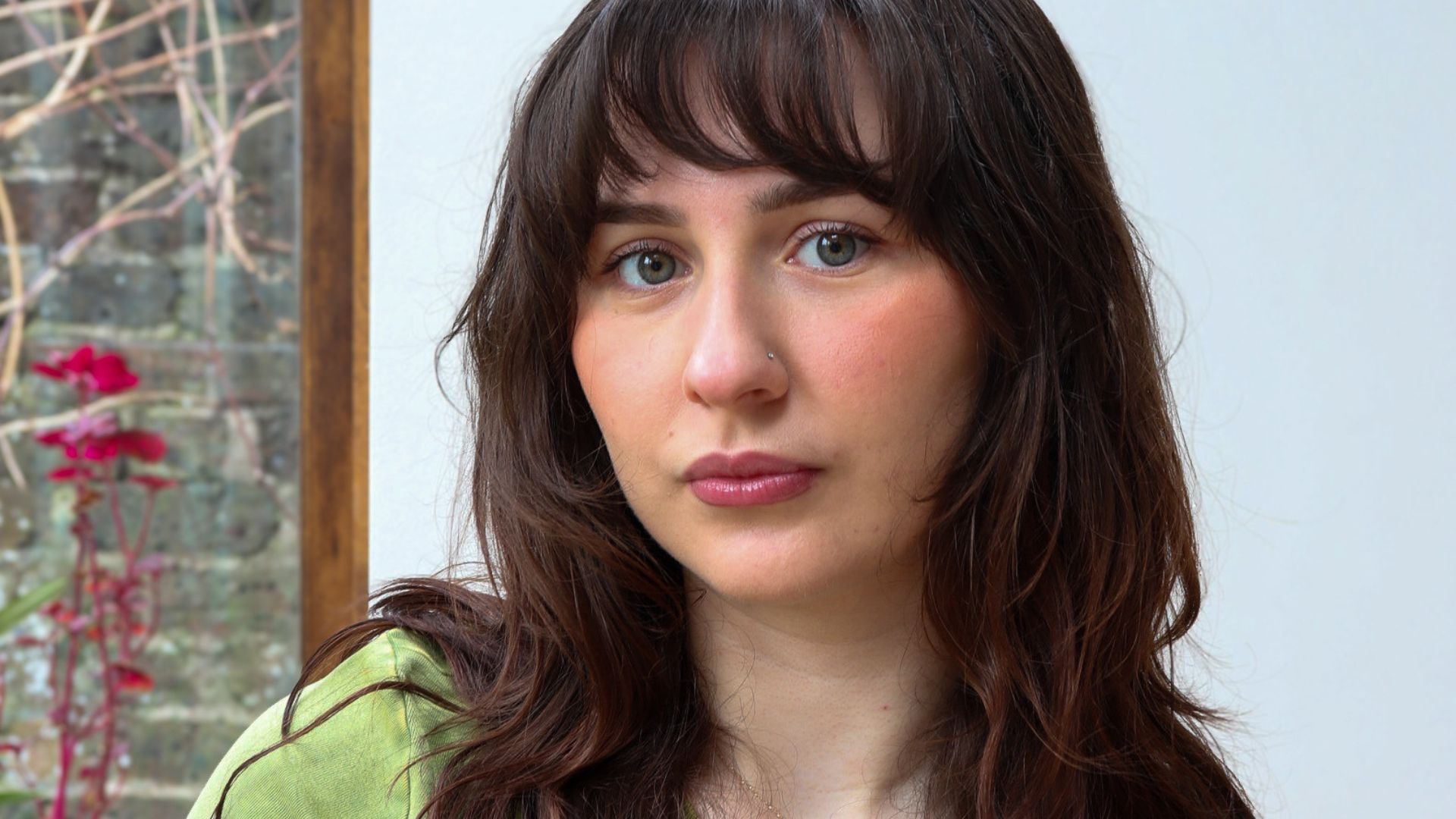
Nikki Peach, 28, planned to move back into her parent’s home in Streatham, South London for “just a few months” to save up some money, but a year later she’s still there. Nikki works as an entertainment journalist and was previously living in a flat share in Bow, East London. “I was on a low-income salary, paying extortionate rent prices in London. When I first moved out, I was paying £665 a month and rent is now average £1,000. When you take home less than £2,000 a month it becomes really difficult,” she says. Nikki pays a “tiny amount” of rent and bills at her parents’ place but factoring the cost of living in London, she hasn’t been able to save as much as she expected to.
Aside from money-saving, other perks of returning home grant the boomerang move a distinct appeal. “My mum cooks for my dad every night and obviously I get in on that,” says Johnny. “Where I grew up was quite nostalgic, it feels like I’m out of the city, it’s quite relaxing and stress free,” he adds. “I do enjoy being with my parents again, they’re funny people and we get along. It’s made our relationship stronger.”
But having a parental base in London is a saving grace that only a sliver of privileged young Londoners can rely on. For many, moving home means abandoning life in the capital entirely.
Oliver Telfor moved to London from York when he was 21 and rented for 10 years, working in sports marketing. However, Oliver says the “unaffordability of paying £700 to £1000 a month for a room” and the “loneliness of being on (his) own” pushed him to leave the capital and move back up north to live with his parents.
“I stuck around for a while but wanted to move back to the Nnorth to be back with family and friends. My friends I’d made (in London) had all left and, rather than chase ghosts around and never been able to afford a place on my own, I moved back up,” he says.
For the “lucky ones” with family living in and around the capital, moving back home isn’t just a rent-free, meals-included, easy living option. The boomerang effect can create many frictions within the relationship parents have with their adult-child and send those attempting to forge a sense of adulthood, spiralling back into adolescence.
“I try to make plans so I’m not spending too much time here but am mainly trying to enjoy the comforts of being in a nice clean house without mould for as long as I can.”
“I sometimes felt like a bit of a guest,” says Johnny. “My bedroom doesn’t look the same compared to when I was younger, but the walls are still the same. My parents are quite welcoming and they’re happy to have me back – ‘as long as it’s not permanent’, they say quite a lot.”
Oliver faces different struggles. Being in close proximity to his parents as an adult, watching their habits change as they grow old, has hit just a bit too close to home. “My dad hasn’t worked for 14 years, there’s nothing wrong with him to work, he’s just a lazy bum,” he says. “Thats a challenge for me to deal with as my mum pays for a lot and she’s almost stuck in a situation to do this. It’s hard to watch and see.”
However, the “good thing” about living with his parents at 33, Oliver says, is that “their diets are great. I have to work harder at the gym than I used to just to match their fitness.”
The main drawback for Nikki, is the compromise to her independence. “It’s hard to live independently and then return to your childhood bedroom. Luckily my boyfriend rents in east London so it breaks up the week or I think I’d find it quite claustrophobic,” she says. “I try to make plans so I’m not spending too much time here but am mainly trying to enjoy the comforts of being in a nice clean house without mould for as long as I can.”
As the marks of adulthood are becoming increasingly untenable for a generation of young people, many of them have found a hack in getting by with a lot of help from their parents. Whether the housing crisis breeds a future generation of mal-adjusted adults is yet to be seen, for now the free dinners and penny-priced rent will do.
Settled at his parents’ home for over two years, Oliver has now saved enough money to buy a house in York. Financially, he hasn’t been given help from his parents to save for the deposit, other than “the roof over my head,” he says.
“The main challenge is me wanting my own space and dealing with this idea that you’re 33, soon to be 34, and at home,” says Oliver. “At first, I really struggled, and resentment settled in, because I was used to everything being how I wanted it. But, if this gets me the house, then it’s a very cheap price to pay. Freedom comes in many forms, I guess this is the way to get mine.”