
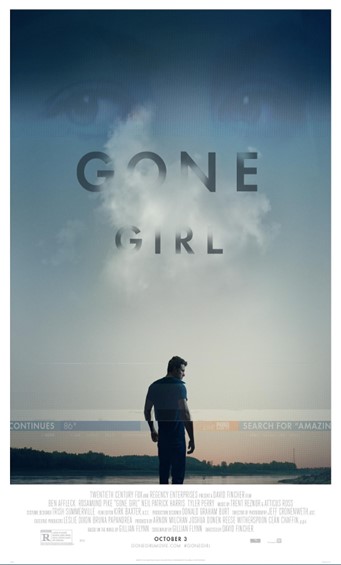
“It’s a version of being a woman that isn’t contained in any way.” This comes from Rosamund Pike in an interview with Collider on her performance in Gone Girl, and there is no better way to describe the phenomena that is female rage in film.
Audiences consistently appear to find endearing and even sympathetic features in characters like Amy Dune, who Pike portrays in Gone Girl, whether these traits are intended or not. This has frequently been the typical reaction of viewers to feminine wrath, mostly because we are not used to seeing female characters with this much agency and especially after being so protected in media. The point made by Pike is spot on. Although it was unclear in Gone Girl who we were supposed to be rooting for, Amy is nevertheless a complex character and we can’t help but feel sorry for her in the process.
https://www.instagram.com/reel/CnlFp7rqPOV/?igshid=MDJmNzVkMjY=
In earlier presentations of female villainy, it often felt that there was little place for sympathy when female characters were so obviously corrupt or malevolent. It used to be so straightforward to despise the female villain/raging bitch character. She is evil just because she is; there is no reason for it. Or she is so overly vain and narcissistic that she is easier to view as a caricature than a character that the audience are meant to relate to.
Let’s rewind to the era of one-dimensional female villain portrayal. There are many examples of portrayals of female villainy from the early 2000s but three characters really stand out: tRegina George from Mean Girls, Cher Horowitz from Clueless and Sharpay Evans from the High School Musical franchise. The term ‘villain’ is somewhat harsh to attribute to these characters as they don’tdo anything as treacherous as what the female villains of our current time do. However, at the time they were the closest young audiences had as representation of female rage.
Although these three characters are individually different within their own right, the purpose of their representation is identical. They are all materialistic, sheltered, privileged young women who only do things for their own personal gain.We know this because the narrative pushes them to overcome these so-called faults so they can become more appealing characters. They are not allowed to embrace their ‘villainy’ and their attributes are presented in a mocking disapproving manner forcing them to either change said attributes to ostensibly better ones or be ridiculed for embracing them. It presents the idea to young audiences that the things these characters value are not admirable or worthy so in turn the characters themselves are not of worth either.
“There weren’t many clear cut examples of female rage in earlier mainstream films. The closest I can think would be characters like Regina George where she has her obvious rage moments but they were always depicted as a comedy moment where the audience is laughing at her instead of with her,” says Amelia Mingo, a Media and Communications undergraduate. This is ironic because these characters both then and now hold so much weight and value. Be it George conducting a smear campaign, Sharpay Evans throwing a hissy fit because she doesn’t get the role that she wants or Cher Horowitz screaming “as if!” when a guy she considers below her tries to make a move. These are all, no matter how minuscule, relatable acts of female rage.
This is where the films of the past that display female villainy are like the films of the present. Or more so that the films that portray female rage and villainy have expanded upon the representations given to us in the past. “Since the 1970s, stories around female rage or female revenge have enjoyed something of a renaissance… films/tv series like Premising Young Woman (2020) and I will Destroy You (2020) have shown the importance of breaking down gender expectations and resonated strongly with younger audiences,” explains Nina Kunzendorf, a PhD student specialising in the modes of female revenge in 20th century theatre.
The fetishisation of female suffering has long been a major theme in cinema. No matter how hard some directors try to pass it off as “artsy”, it seems people have a terrible fascination with seeing women suffer. The portrayals of this we see in Pearl, Amy and Dani stand out because of how they respond to pain, as there is nothing alluring about feminine suffering until the woman exacts her vengeance with wrath. However, it might make things more challenging when people like these characters have obvious motivations. Following their past causes some viewers to empathise with them and covertly support them, even after they cross the line, even if it may be argued that having trauma is not an excuse for being an impure human being.
The fact that this new domineering presentation of female rage is relatable to audiences and seems to have been developed with them in mind is of utmost importance. Although these characters may be fictional, many of the issues they meet are still relevant and relatable to audiences today. Whether it is having to contend with your mother’s oppressive control, the worry that a partner will leave you, or the existential anxiety of yearning for a future that will be better than the one you are in now, they are all troubles that the youth, and in particularl young women, must deal with every day. It is because the struggles that Amy, Pearl and Dani deal with are so relatable that it is easy for the audience to feel sorry for them and wish that their fondest wishes would come true – even if it is just to have some hope for their own upcoming struggles.
“Now when we see these rage moments from female characters on screen they’re much more nuanced and there’s an obvious increase in variety. It’s almost as if there’s been a shift from the popular ‘queen bee’ character to the vengeful female protagonist,” suggests Mingo.
These characters are aware of their societal obligations as women, including the need to stay with the family, be patient and understanding for their partners despite any shortcomings, and ultimately to give up their goals. Although aware of any so-called responsibilities, they have much higher expectations for themselves. Is it selfish to put your personal wants ahead of those around you? Probably. Especially if it comes at the detriment of others. But whether we like to acknowledge it or not, we have all given up our own wants to care for the ones we love. Perhaps we would enjoy the opportunity to be selfish for a change, even if it doesn’t go as far as killing an ex-lover.