
In the era of fast fashion, millennials find themselves at the crossroads of style and sustainability. Thrifting and upcycling have become increasingly popular, with young people prioritising individuality through unique and sustainable fashion choices. However, the industry still perpetuates greenwashing and unsustainable practices, despite emerging designers focusing on sustainability and innovation. The evolution of fast fashion over the past two decades is tied to the decreased cost of clothing, making fashion more accessible to a broader audience. This has caused a mass overconsumption of clothes, spurred on by social media platforms like TikTok, Instagram and YouTube. Influencers are sharing regular ‘hauls’ online, conforming to ‘trends’. This behaviour has encouraged and normalised the nature of buying cheap clothes for pleasure rather than as a necessity. What does Gen-Z take away from this phenomenon?
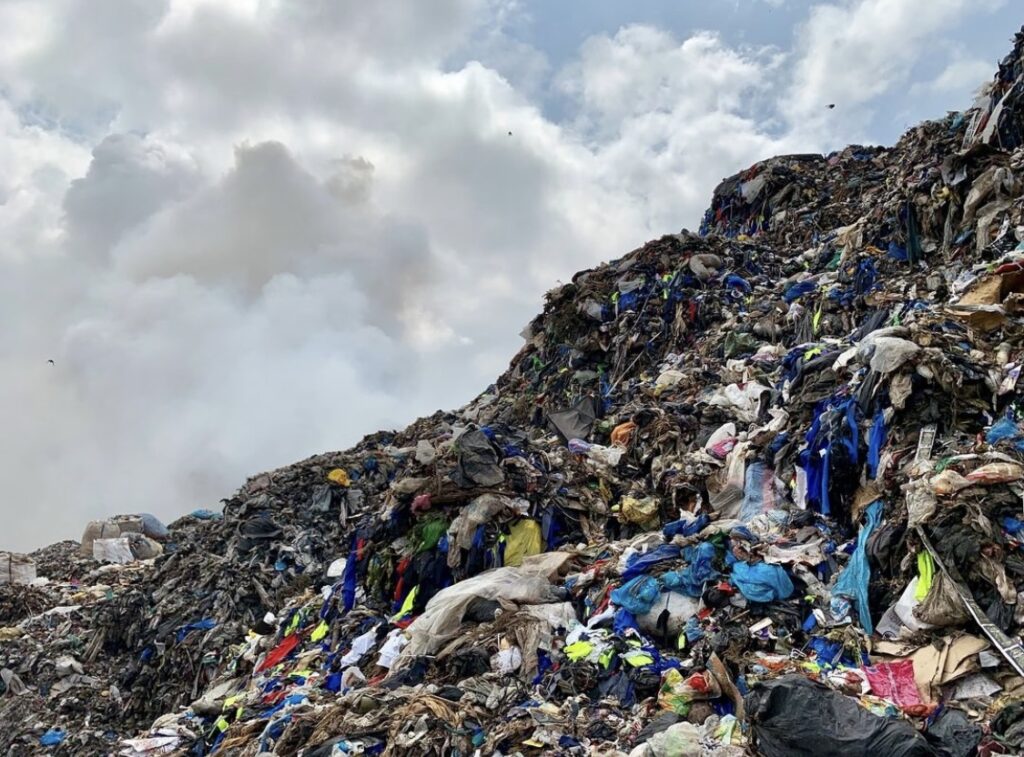
Fast fashion is responsible for 10% of annual global carbon emissions, which is more than international flights and shipping overseas combined. Approximately 1.92 million tonnes of textile waste is produced every year and 92 million garments end up in landfills out of the 100 billion garments produced annually. Further, the fast fashion sector has a detrimental impact on working conditions which results in the exploitation of labour workers. In Bangladesh, workers are paid a shocking 33 cents an hour.
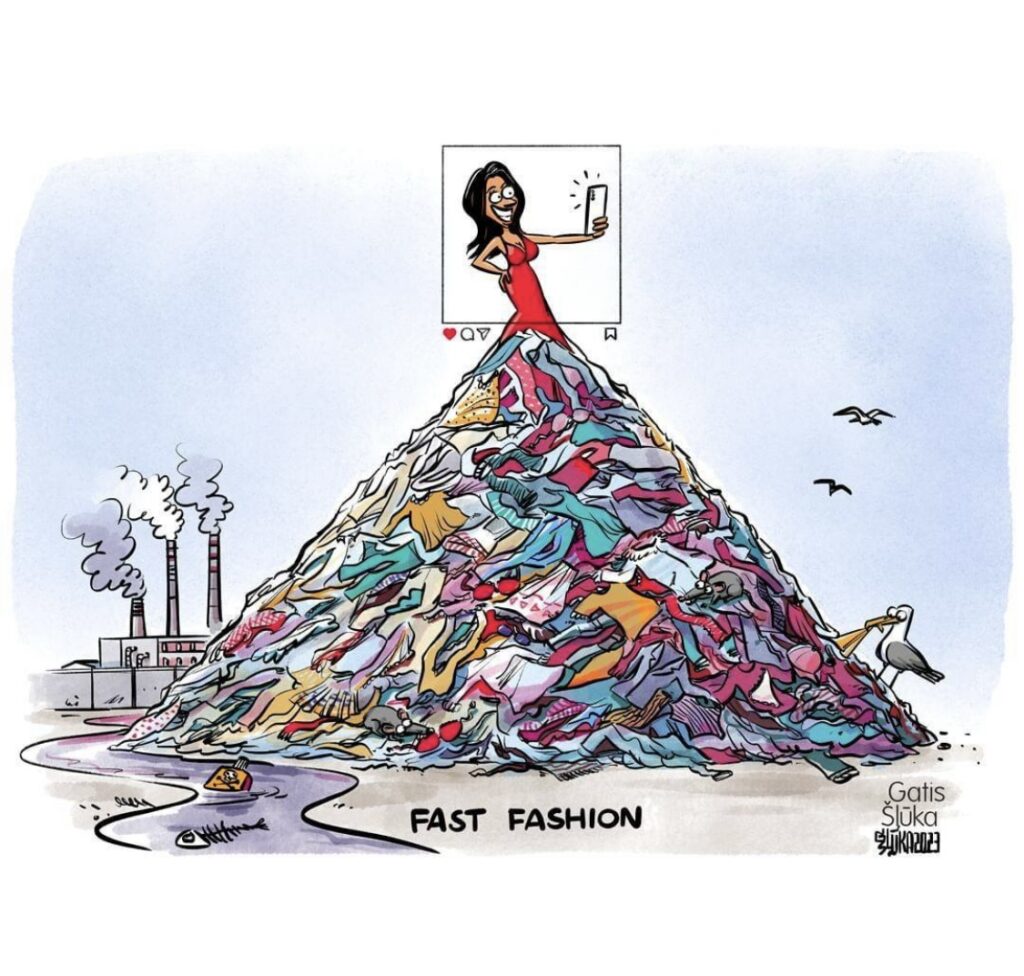
Social media plays a prominent role in shaping millennials’ fashion choices. As we know, influencers, trends, and the pressure to maintain an Instagram-worthy wardrobe perpetuate the fast fashion cycle. To succeed within the TikTok algorithm, frequent posting, if not daily posting, is essential. Many individuals think that to be successful as a TikTok fashion influencer, you would have to own a lot of clothes as there still seems to be a stigma associated with outfit repeating even though realistically it is something every one of us does offline. Due to the constant demand they feel to post daily content, many influencers experience pressure to constantly buy new clothes to generate fresh content. This gives rise to two challenges: the most economical and rapid means of acquiring new clothes often involves resorting to fast fashion, and the lifespans of trend cycles and micro trends continue to diminish.
Marco Pennasilico Ventura, a 19-year-old university student in London, shares his opinion on the impact social media has on fast fashion. He suggests that “the heightened awareness on social media grew my commitment to sustainable practices. A world without social media could mean less information circulating about the actual damages of the fast fashion industry. Thanks to Instagram and YouTube, I’ve picked up so much about the global impact, and it’s enhanced my desire to purchase second-hand gems and get into upcycling.” He recognises the harm social media has on its users but he looks at the positive aspects as it made him resist the allure of the quick and cheap buys at places like Zara and H&M.
We can assume that individuals who purchase fast fashion items because it is all they can afford, are not the ones contributing to the dominance of fast fashion as they do not have the disposable income to buy new clothes every day. The problem is the people who make $800 Shein purchases and promote overconsumption and ultimately think it is ethical.
Giulia Lanfrancotti, a 20-year-old university student in London, discusses her purchases in fast fashion in regards to COVID-19: the young woman expresses that the COVID-19 lockdown fueled her temptation to indulge in fast-paced trends circulating on social media as we were constantly online. She admits being easily influenced by social media apps like TikTok to endure fast fashion purchase habits. Still, a major reason for her purchases is due to the low prices on items within fast fashion. “Even though I recognise the impacts of purchasing from fast fashion websites, I am a university student who is not yet making a steady income and can’t afford to buy more expensive attire. I would love to buy from vintage stores, but I feel like it is important to take into consideration the fact that most items in stores like those are very highly-priced”, says Lanfrancotti.
Fashion designer Claire Crowley creates high-quality sustainable garments for her own brand. Her design collection is 100% made in Italy, responsibly sourced and sustainably produced. Crowley shares that in her opinion many buyers do not seem to recognise the problem and ultimately do not think about where their clothes come from. As we witness giants like Zara and Mango taking steps towards sustainability by incorporating real leather and dedicating sections to sustainable clothing, it’s evident that a shift is underway. However, Crowley believes that the road to true sustainability is still evolving. Buyers often prioritise the allure of their purchases without delving into the origins. “My brand stands as a testament to change, where 60% of unsold items find new life through upcycling. Rather than discounting, I transform these materials into fresh, innovative pieces, ensuring that every thread tells a story of conscious choices and responsible fashion. It’s not just about what you wear, but understanding the journey each garment takes, fostering a mindful shift towards a more sustainable future.”
Echoing what Crowley says, it becomes crucial to take note of brands that are presently integrating sustainable clothing sections into their offerings. For example, Urban Renewal, operating under the umbrella of Urban Outfitters, is dedicated to crafting fashion from recycled clothing, introducing inventive and creative enhancements while actively contributing to the reduction of textile waste. H&M has added a Sustainability page to their website focusing on different ways to upcycle your clothes. They have also added new rewards to push for a more sustainable future: for example, every member gets rewarded with three points when they bring their shopping bag instead of purchasing a new one and if you bring them your unwanted textiles they make sure that those items will get re-worn, recycled or reused and the member will either earn 20 points or a £5 voucher.
Trend cycles nowadays with the invention of social media and the Internet have shortened the length of trend cycles. This is when we start seeing the rise of micro trends as we are experiencing such short trend cycles. There are two sides to TikTok: one that promotes overconsumption of fast fashion products and one that encourages better lifestyles and sustainable choices. There is a growing community that advocates for sustainability, ethical choices, and conscious living. This includes content related to thrift finds, sustainable fashion, eco-friendly practices, and tips for leading a more environmentally conscious life. A big trend right now on platforms online is Vinted purchases and finds.
Jen Graham, a relatively well-known influencer on TikTok with over 80,000 followers, dedicates her account to vintage shopping and calls herself a ‘second-hand stylist’. She is known for her distinctive and chic fashion sense, curating her wardrobe with original pieces. Throughout her videos, she not only showcases charity shops and vintage finds but also provides insights into how to style them effectively, and gives her audience tips on shopping within these stores. Her closet is almost 100% thrifted items and in one of her videos, she speaks about what she does with all the clothes she buys. “Around May I will go through all of my clothes and go, right, I didn’t wear that, I love that and that’s a piece I will transition and bring with me into spring and summer. The stuff I haven’t worn either goes back to donation or I will give it to my family or friends.” One valuable tip she offers is to routinely review your wardrobe, particularly before going on a charity shopping spree. Doing so ensures that you avoid acquiring items you don’t need. Many admire her impeccable fashion sense, seeing it as a compelling endorsement for purchasing from second-hand shops, ultimately promoting and pushing her followers to do the same.