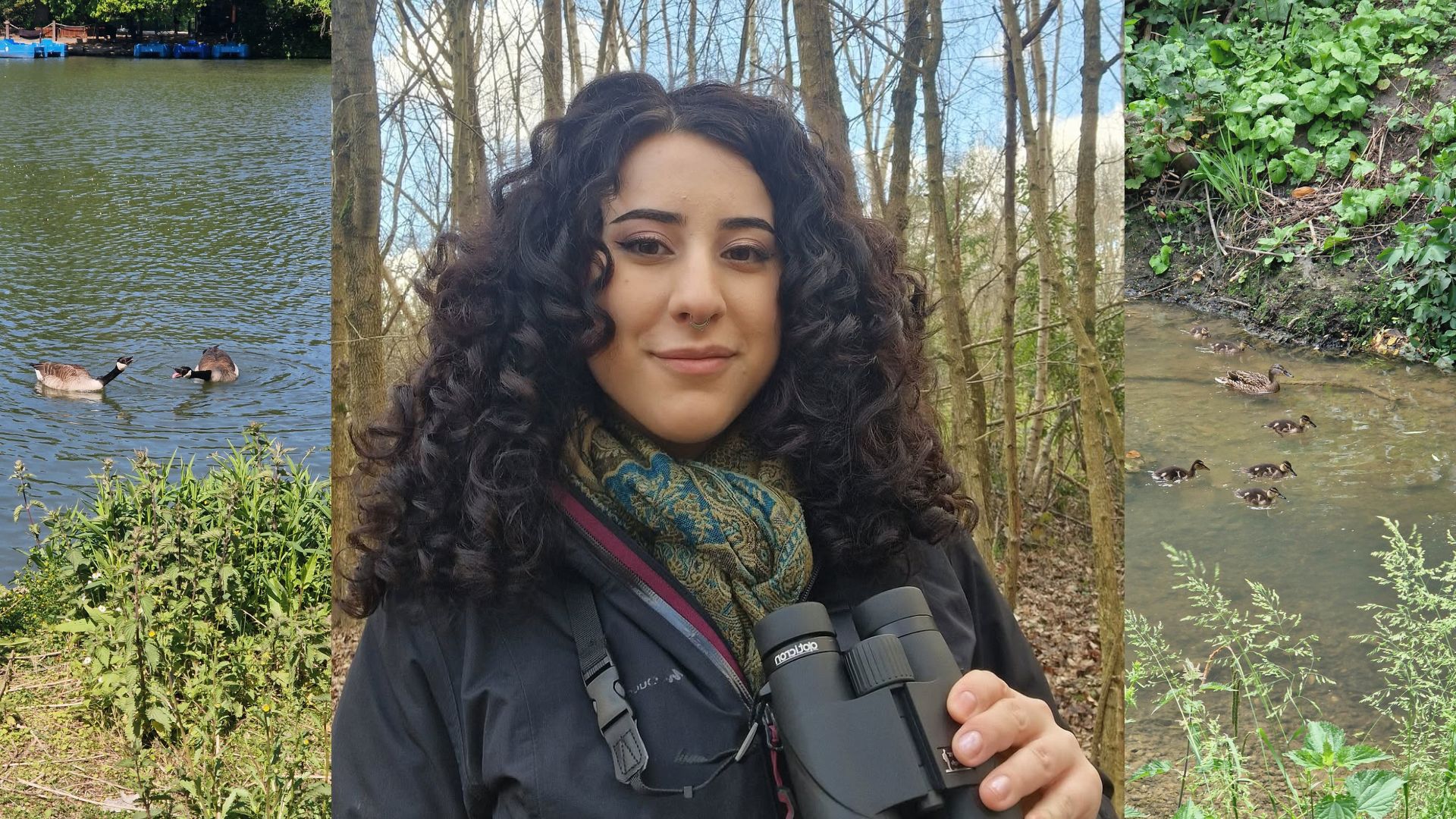
Şeniz Mustafa is a 24-year-old environmental content creator, ecological surveyor and researcher from Bromley. Birdwatching for two years, Şeniz explains how her passion for the avian world has secured her mental wellbeing, brought her closer to like-minded Londoners and allowed her to connect with nature in a manner that is increasingly hard to come by in the capital
Q: How did you first get into birdwatching?
I actually didn’t get into birdwatching until I was 22. A lot of people start young, but that wasn’t me. I didn’t grow up in an environment where I could’ve even known that I liked birds. I was a nature guide for years, so I was always outdoors. My deeper connection to birds didn’t really get lit until it was the Covid-19 pandemic and everything shut down. When I was 21, I got a placement with the Field Studies Council [a nature-based educational charity] and worked at FSC Preston Montford.
There, I took a bird identification course. It was only a couple of days, but I remember it vividly, being told to look at the tops of trees, learning to be quiet, and seeingseeing my first goldcrest. After that, my awareness just… opened. I started noticing birds everywhere, like a nuthatch outside my room. I don’t think I would’ve noticed that bird before. But once your eyes are open, you start seeing everything.
Q: What are your favourite bird watching spots in London?
I live in Bromley, which is super green. I’ve seen little egrets and redwings in Norman Park , jays and great crested grebes in Crystal Palace Park, and even a yellow wagtail recently. Jubilee Country Park has green woodpeckers, and Scadbury and Hawkwood Estate are also great. Bromley also has places like the Wetland Centre, Walthamstow Wetlands, one of the top birding spots around here.
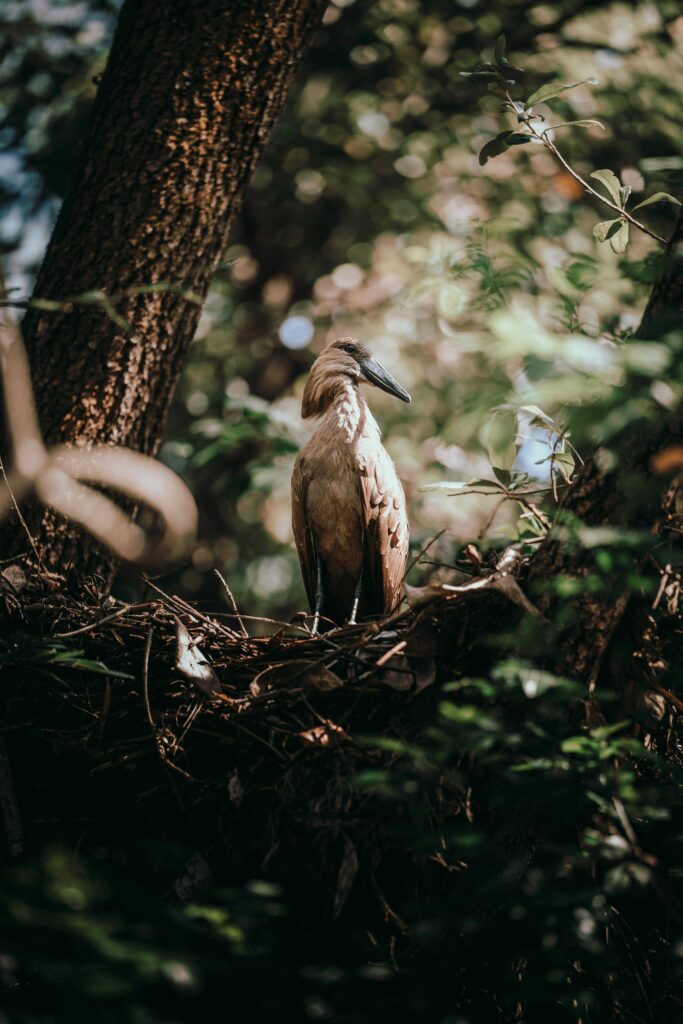
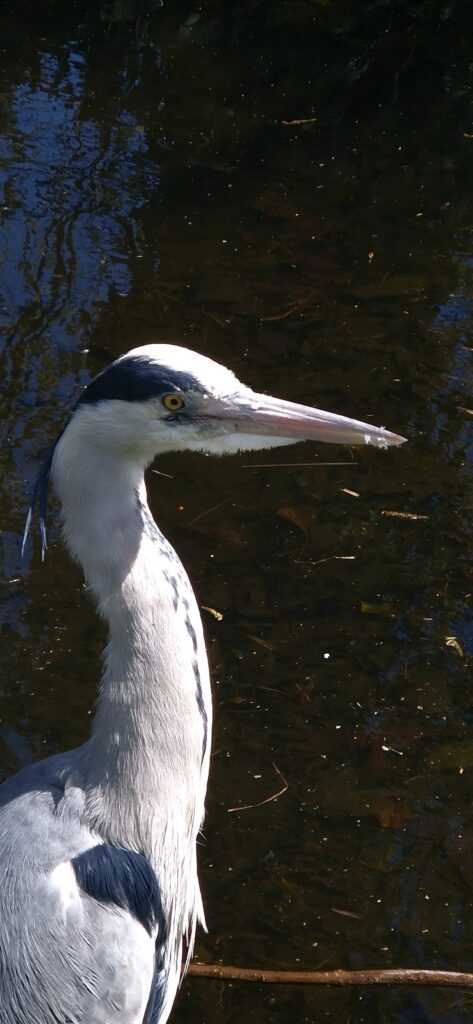
Heron at Chiswick Park and Gardens and Eurasian Jay at Crystal Palace Park. Pic: Şeniz Mustafa
Q: What do you love most about birdwatching?
I love how odd and funny birds are. You’ll walk down the road and there’s a ring-necked parakeet just screaming. I think they might actually be more attention-seeking than robins. Or pied wagtails they literally just dance, wagging their little tails. I see them at Bromley South Station all the time and it brings me so much joy. It’s such a privilege to witness those moments.
Q: Has birdwatching changed how you see the world?
Absolutely. After that first birding course, something in me shifted. Suddenly I was seeing more: nuthatches, great tits, swifts, even beetles and butterflies. It’s like my perception went from 40 per cent to 60 per cent, and it keeps increasing. It’s made me appreciate where I live. Bromley’s so green, and I didn’t even realise it before. Once you start noticing, it’s hard to stop. You realise how much nature has always been around you.
Q: Do you usually go birdwatching alone or with others?
I’m careful about going alone, especially as a woman. If I feel safe, I will, but I love going with friends. When you’re with people who are equally into it, there’s no pressure. You can stand in one spot for 30 minutes and no one’s bored. That’s rare and really special. I’ve also met new people through birding, like at the Wayfinders event run by the Youngwilders, where I led a bird ID session. We played games, did surveys together. Now I’m running more bird walks and meeting even more people. It’s become a whole little community.
Q: Has birdwatching improved your mental health?
I definitely think it helps me calm down. Dealing with relationships and friendships has been really stressful at times, but I would go and sit in the garden and just lay down on the grass and watch the flies and the moths pass in front of me as I looked up. When I was unemployed, daily walks to the park helped me stay out of my head. I saw redwings, egrets, bats – wildlife I never noticed before. That kind of joy is so important. It doesn’t fix everything, but it helps. It gives you perspective, grounding and little bursts of dopamine that make the day better.
Q: What would you say to young people who spend most of their time on screens?
I’m on TikTok and Instagram for hours sometimes, but I’ve had moments where I literally throw my phone across the room because I feel so trapped by it. My advice? Take time for yourself. Even if that’s just sitting in a park for 30 minutes after work. Just chill. No pressure to do anything. That’s self-care. You don’t need to go full birdwatcher mode. Just notice one thing. A robin. A treecreeper. How it makes you feel. That’s enough. And if it makes you feel better? Great, do it again.
Q: Is there a simple way to help birds in your area?
If you have a garden, don’t mow too often, flowers and insects matter. If you feed birds, clean your feeders and avoid bread. It’s basically junk food for them. Be mindful of pesticides and flea treatments too, some can affect bird eggs and chicks if they end up in nests. But one of the simplest ways to help is just to talk about birds. Share what you learn. Ask questions. Start conversations. The more people care, the more we protect what’s around us.