As iced matcha lattes flood coffee shop menus just in time for summer and matcha sales continue to scale up, a question arises: does gen Z spell the end for coffee’s long-standing reign?
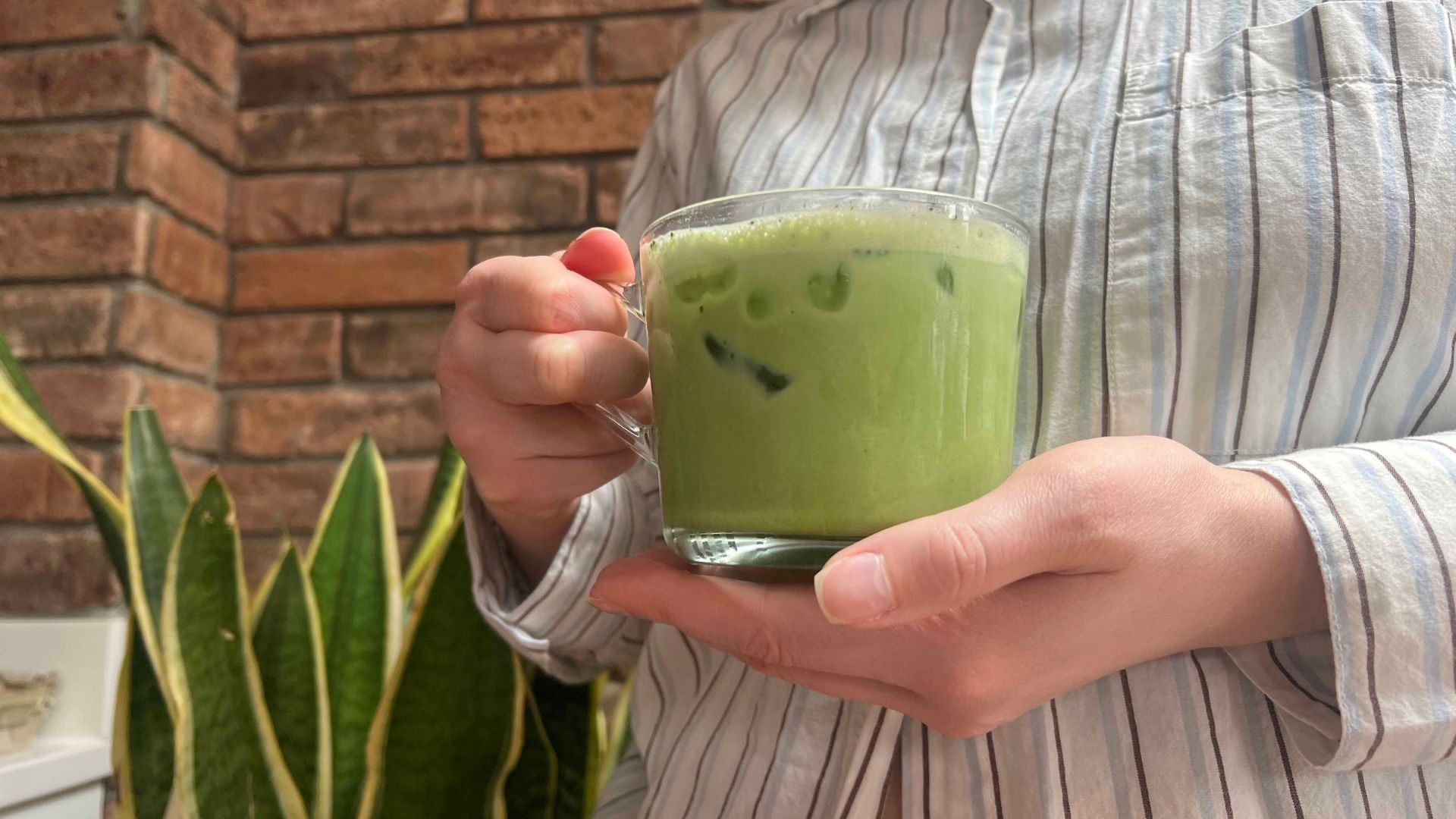
Walk into almost any café and you’ll see it: green, frothy and often iced. Matcha was introduced to Japan by Zen Buddhist Monk, Eisai who discovered it on a pilgrimage in China in the twelfth century. The once-niche Japanese tea powder is no longer reserved for zen tea ceremonies or wellness circles. It’s now on high street menus, supermarket shelves, and all over our socials.
New data from Ocado Retail reveals sales of matcha are up by 67 per cent since last year. TikTok videos tagged #matchalatte now exceed 1.5 billion views. High street coffee chains such as Pret, Starbucks and Caffè Nero have added matcha drinks to their menus. One matcha latte on the high street will set you back about £4.75. Or, for just over £15, you can get a kit with 50g of matcha powder and make your own. Maslow Magazine tried it (and filmed it – down below). That’s around 25 matchas at only 62p a serving.
According to The Economist, Blank Street Coffee claims to sell “some kind of form” of matcha “every four seconds” from its 80 shops in the UK and US. With rising awareness of how caffeine affects anxiety, the gentler green tea powder is earning a place in the daily routines of an increasing number of young people.
Globally, the market for matcha-based products is already worth around £3.3 billion and is predicted to grow by 53 per cent by 2029, according to the Business Research Company. A 2023 report by The Independent also revealed a 202 per cent rise in matcha sales in the UK. And it’s not just about health. There’s an aesthetic to matcha – it’s bright, it’s photogenic, perfect for the social media driven gen Zers, and it certainly makes you look as if you have your life together. But beyond the visuals, there is a practical reason why gen Z might be leaning into matcha over coffee: how it makes them feel.
Unlike coffee, which spikes energy quickly then crashes hard, matcha gives a steady boost. This is thanks to L-theanine, an amino acid unique to the tea that slows the body’s absorption of caffeine. That means no jitters, no sudden crash, and often, better focus. It’s the reason Buddhist monks have been drinking matcha for centuries to aid meditation. Today, students and young professionals use it for calm concentration, as it has proven to be a gentler alternative to coffee for people prone to anxiety.
Jo Travers, registered dietician and founder of The London Nutritionist, says matcha’s benefits go beyond caffeine. “It has a high polyphenol content, it’s higher in fibre than infused tea, and although it has caffeine, the L-theanine reduces the negative side effects like restlessness or anxiety,” she says.
Matcha also wins on other fronts. The Tea Makers of London shared seven reasons why matcha is better than coffee. These highlighted, among other benefits, how matcha doesn’t stain your teeth, like tea and coffee. It actually supports oral health, and it doesn’t lead to dependency. It’s simple to make too: no expensive machines needed, just hot water or milk and a whisk or shaker.
Gen Z, who is notoriously more open than any previous generation about mental health, is drawn to options that support rather than undermine their wellbeing. Sarah Choi, 22 year old associate editor of Healthline, experimented with swapping her morning coffee for matcha for a month. “I didn’t get the energy burst I was used to, but I also didn’t crash,” she says. “Over time, my energy levels evened out. I didn’t feel anxious. And when I went back to coffee, I actually got a headache.” In the end, Choi, who calls herself a coffee enthusiast, was not a matcha convert. “Matcha is nice every once in a while, but it can’t replace my coffee,” she says. “I enjoy the taste of coffee more than matcha and coffee makes me feel like I’ve started my day.” She even felt her performance at work suffered without her morning coffee.
So is matcha replacing coffee? Not quite. But for gen Z, it’s no longer a question of either/or. It’s about having an option that aligns with their lifestyle – one that looks good, leaves them feeling calm, and helps them stay focused without the inevitable crash.
As nutritionist Jo Travers says: “It’s not a direct competition between coffee and matcha. They both have benefits. But matcha is expensive, and not everyone likes the taste.”
So if the price is the issue and you do want to enjoy matcha’s taste and holistic benefits, here is a video tutorial on how you can make your own iced matcha latte at home.