Smart water bottles, tracking apps and flavoured pods, what’s behind Londoner’s unquenchable need to stay hydrated?
Every scroll through TikTok or Instagram is like the hydration Olympics. “‘My emotional support bottle never leaves my side’” is both a meme and a mantra. The ‘Water Tok’ trend is giving us tips on the bottles to buy and introducing us to gadgets such as Air Up, which use scented pods to flavour water for those who dislike the taste. You’ll find people timing their sips, tracking every drop with water tracking apps, and making ‘hydration goals’ part of their morning routine.
Are we so fixated on drinking water that we must celebrate National Hydration Day every summer on 23 June?
For LSE student Anissa Durajczyk, 23, hydration is second nature. “I make sure I have water on me at all times because I used to get headaches quite often and it’s just become a habit,” she says. “Having water with me when leaving the house became part of my routine. If I forget my bottle, then I will make sure to buy one.” She doesn’t track how much she drinks but estimates she hits the recommended two-litre mark. “I think I’ve made my body so used to a generous water intake that when I don’t drink water for a while, I feel dehydrated even though I’m probably not.”
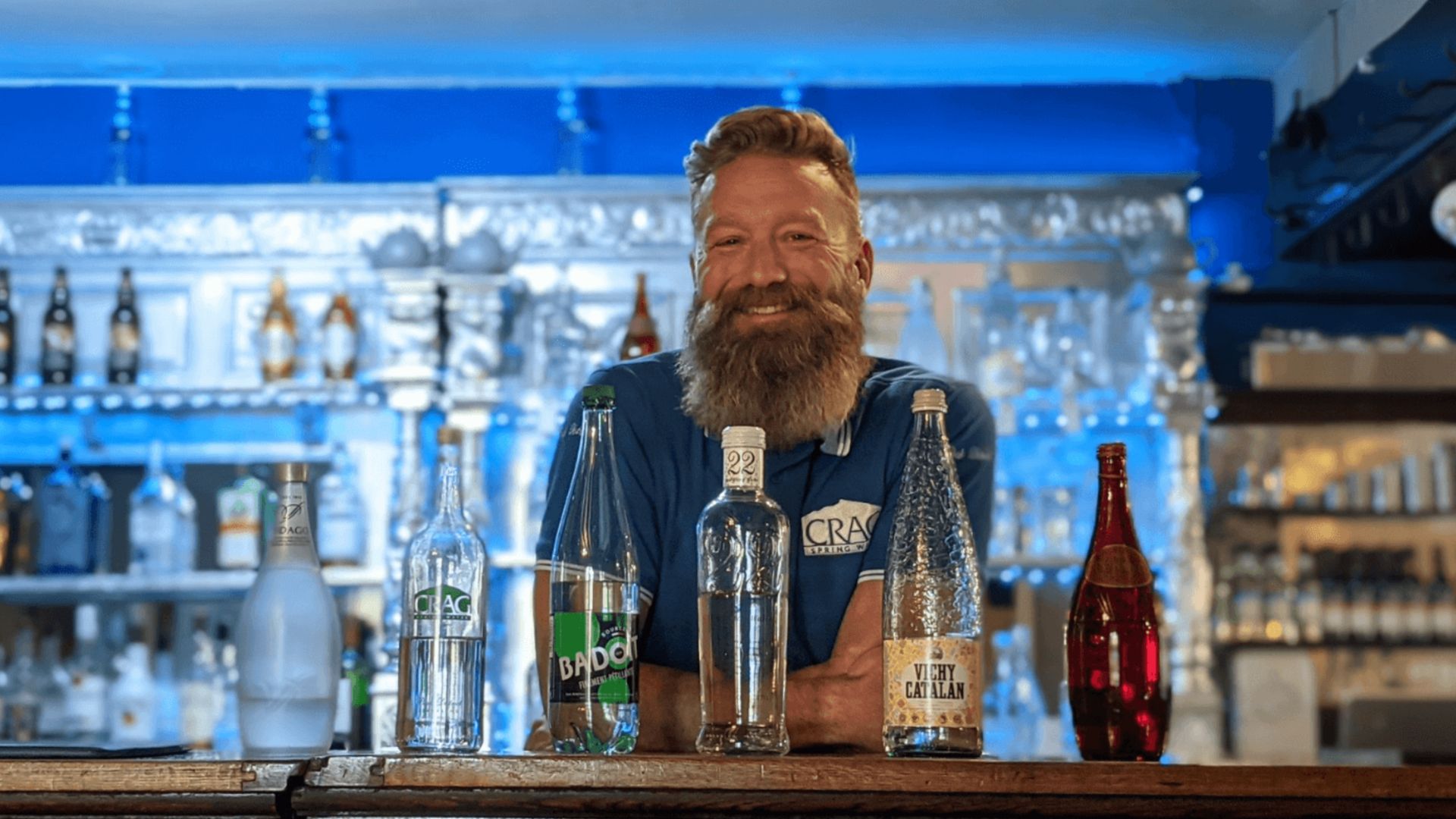
Doran Binder is a certified water sommelier. If you’re unfamiliar with this concept, essentially, this is a specialist trained to educate people about different qualities and types of water. The founder of Crag Spring Water and owner of the UK’s first water bar started doubling his intake after reading The Drinking Water Cure and says it changed his life. He now drinks four litres of water a day – and won’t leave the house without a bottle of Crag Spring. “I get anxious when I don’t have water with me. I won’t go anywhere without it,” he says. Known as the @beardedwatersommelier online, he believes most people are missing out on the health benefits of spring water by relying on highly treated tap or bottled water. “The quality of what we drink matters more than most people realise.”
But how did we move to this idea that hydration is a lifestyle, not just a basic human need?
According to Dr Leah Austin, a London-based GP and nutritional therapist, the popular two litres or ‘eight glasses a day’ rule is more of a guideline rather than a gospel. “It was based on total fluid intake including water from food and drinks like tea or fruit,” she explains.
“The human body will survive dehydrated – just like a plant, but when you rehydrate it, it comes back to life. That’s the difference.”
“Two litres might be right for some people, but others need more or less depending on their body size, climate, activity, and diet.”
Your body, she says, is pretty good at knowing what it needs. “Thirst is the most obvious sign, but it comes late. Earlier clues include dry mouth, low energy, headaches, and darker urine.”
What might be surprising among all the “drink more water” promo is that there is also such a thing as drinking too much. “Overhydration is rare, but it can be dangerous,” Dr Austin says. “It dilutes sodium in the blood, leading to hyponatremia. In extreme cases, that can cause confusion, seizures and even death.” Medics suspect this condition led martial arts legend Bruce Lee to his death. Usually, it’s seen in endurance athletes who drink excessive amounts during races. But it’s a good reminder that an excessive amount of anything can be bad for you.
Dr Austin partly blames the wellness industry for our obsessive need to drink water. “Hydration is essential, but we’ve turned it into another checkbox or source of guilt,” she says. “Huge water bottles can help some people stay mindful – but they can also make you ignore your body’s signals.” Drinking water has gone from a natural habit to a lifestyle statement.
In a time when many of us feel stressed or out of control, the routine of having something to sip on all day or even just hold might bring comfort. It feels like a small thing we can control. Like lighting a candle or doing a skincare routine, carrying a jumbo water bottle can feel like a calming act, making us feel more organised and put together.
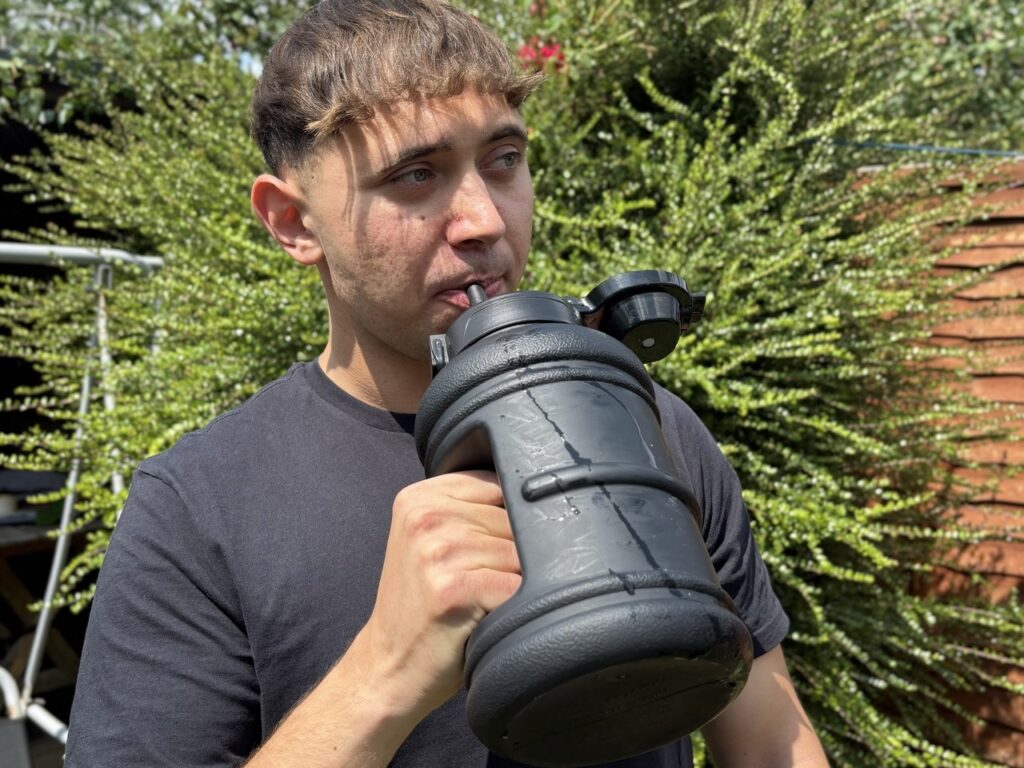
Szymon, 21 carried his two-and-a-half litre Everlast bottle everywhere with him Pic: Ola Mendykowska
Szymon Siemko, 21, bought a giant two-litre bottle to help him drink more water, mainly for the gym. “I bought the two-litre bottle to drink more water and carry it everywhere with me,” he says. “It wasn’t practical, it was a bit too heavy, but it worked in terms of drinking more.” While he doesn’t credit the bottle alone for feeling fitter, it had an effect. “In a gym sense and physical sense, I felt like I had my life together,” he adds. “There’s just something about a bigger bottle that I liked. Even the edginess of it – you’re always drinking water, staying hydrated and keeping healthy.”
Dr Austin backs a simple approach to staying hydrated, “Listen to your body, drink when thirsty, aim for pale straw-coloured urine, and eat plenty of fruit and veg.”
As for her own bottle? “I use a stainless steel insulated one – it keeps the water cold and doesn’t have plastic toxins. I like it simple and sustainable.”
The bottom line seems to be: do what works for you. But there is no denying that water, in the right amount and form, is still one of the simplest ways to feel good. “The human body will survive dehydrated – just like a plant,” says Binder. “But when you rehydrate it, it comes back to life. That’s the difference.”