This isn’t just another crime story; it’s a reminder of how much we rely on our devices. When our phones hold everything from personal data to access to our finances, losing one is more than just an inconvenience
Three e-bikes swerved toward me, their riders clad in black tracksuits, faces obscured by masks. Before I could react, hands grabbed at mine. A sharp tug, a shove, and just like that – my phone was gone.
It was 11:15 pm outside Curzon Victoria in central London, and the crowd from the late screening spilled onto the pavement – laughing, lighting cigarettes, scrolling through their phones. The hum of conversation and the glow of screens gave the scene a familiar rhythm.
Then, in an instant, that illusion shattered.
I chased them, crying and shouting for help. I begged them to let go of it. I ran through the crowd, hoping someone would step in or block their path, but the anonymous faces around me stayed passive, seemingly oblivious as the thieves slipped away.
Then, hands belonging to a well-meaning stranger yanked me back, pulling me onto the pavement. “Don’t chase them – they have knives!” he said. I was furious. I would’ve rather gotten hurt than just stand there and watch something so personal being taken from me.
Within seconds, the thieves vanished into the night and my phone with them. I stood on the pavement, adrenaline coursing through me. The crowd moved around me as if nothing had happened.
My first thought wasn’t about the device itself – it was about everything it held. My contacts, my bank details, years of photos, my only way to book an Uber home, and as a foreigner, my only access to my family. In a matter of seconds, I’d been untethered from my digital life, rendered invisible in a world that expects you to always be connected.
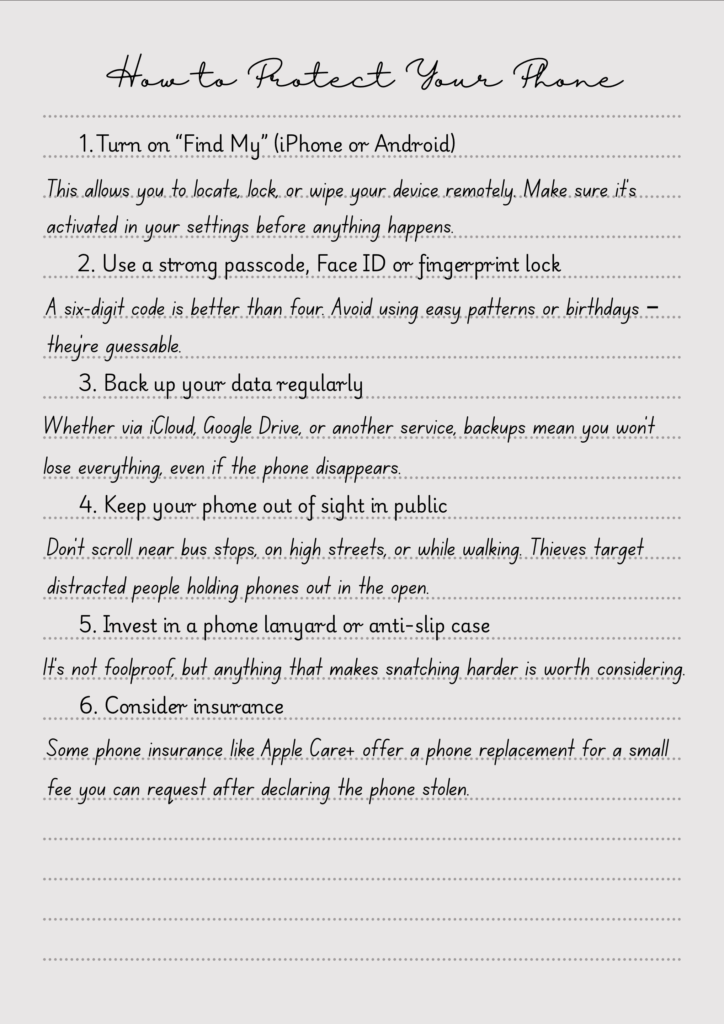
In a matter of minutes, my phone joined the growing digital graveyard, becoming one of the 91,000 phones that are stolen in London each year, with most never recovered. By the time you finish reading this feature, at least one more will be stolen, and one more person will become a victim of a criminal industry worth over £50 million.
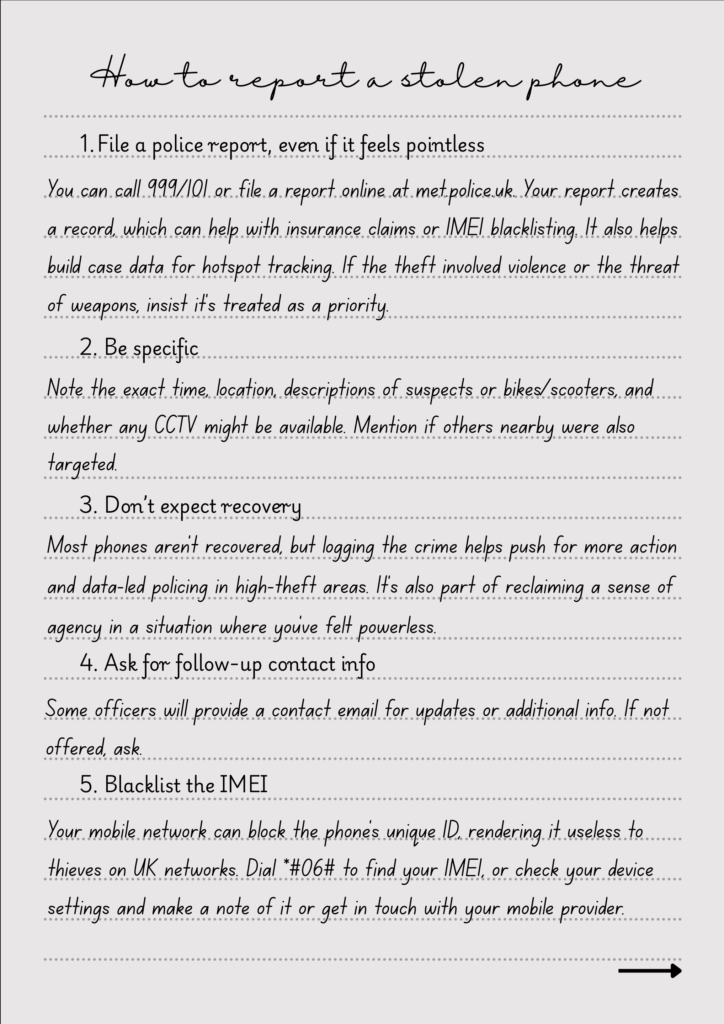
I walked back into the cinema, trying to steady my breathing as the occasional sob escaped my chest. A staff member told me I wasn’t the only victim that night, someone else had their phone stolen just 20 minutes earlier. My colleague called 999, but the operator’s response was curt, saying it wasn’t an emergency and telling us to call 101. The next handler seemed equally uninterested and suggested I fill in an online form instead.
Later, I was told by an emergency call handler that an online report is the best thing to do: “That’s how a crime report is made and passed to an officer. But the main thing is just to cancel your Apple Wallet and get your phone provider to lock the device.”
The days that followed were a blur of frustration, vulnerability, and silence. I had no Google Maps to guide me through unfamiliar streets; no way to share my location with friends to get home safely after dark.
I’m not alone in this. As phone theft surges across cities like London, it’s become painfully clear that our digital infrastructure isn’t equipped to deal with the aftermath.
In a Commons hearing earlier this year, MPs accused Apple and Google of “dragging their feet” on basic software changes that could help deter theft. The Metropolitan Police said they asked both the tech giants to implement a key change – blocking stolen phones from accessing cloud services abroad – but it still hasn’t happened.
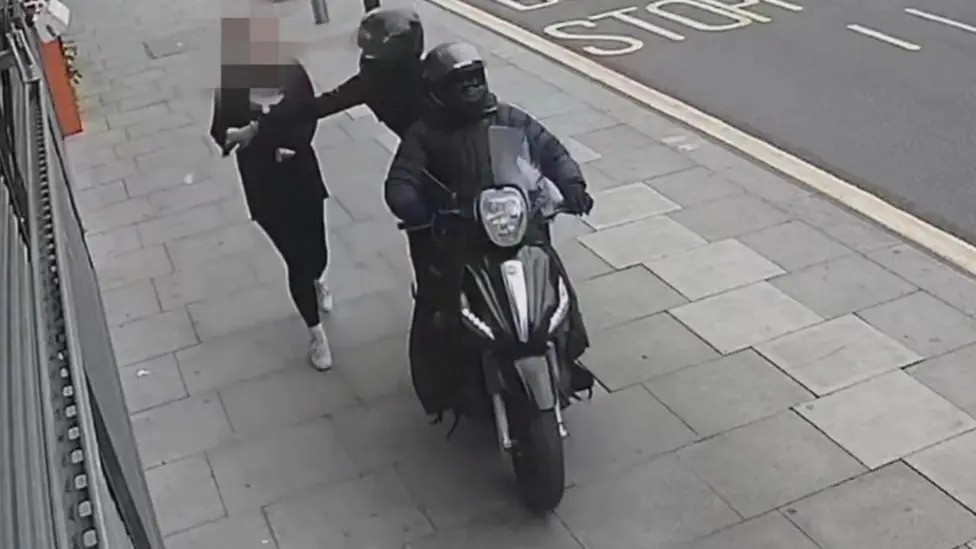
In the weeks after the theft, I started to research phone crime, and the statistics were grim. In London alone, a phone gets stolen once every seven-and-a-half minutes, some in violent snatches. According to Detective Chief Superintendent James Conway, two-thirds of thefts in London now involve phones.
I realised I wasn’t alone in feeling this strange mix of anger, fear, and self-blame. Victims often carry the weight of the crime, even when they did nothing wrong. “When it happened to me, “I felt like it was my fault for getting it stolen,” said Jed Fewtrell, 30, whose phone was stolen on his way home from a party after he had one too many drinks. “I could’ve been more careful.”
Jed filled in the online form, which was followed by a brief email outlining the next steps. The kind that usually ends with the case being dropped due to lack of evidence. His phone was gone, but he quickly replaced it with a new one.
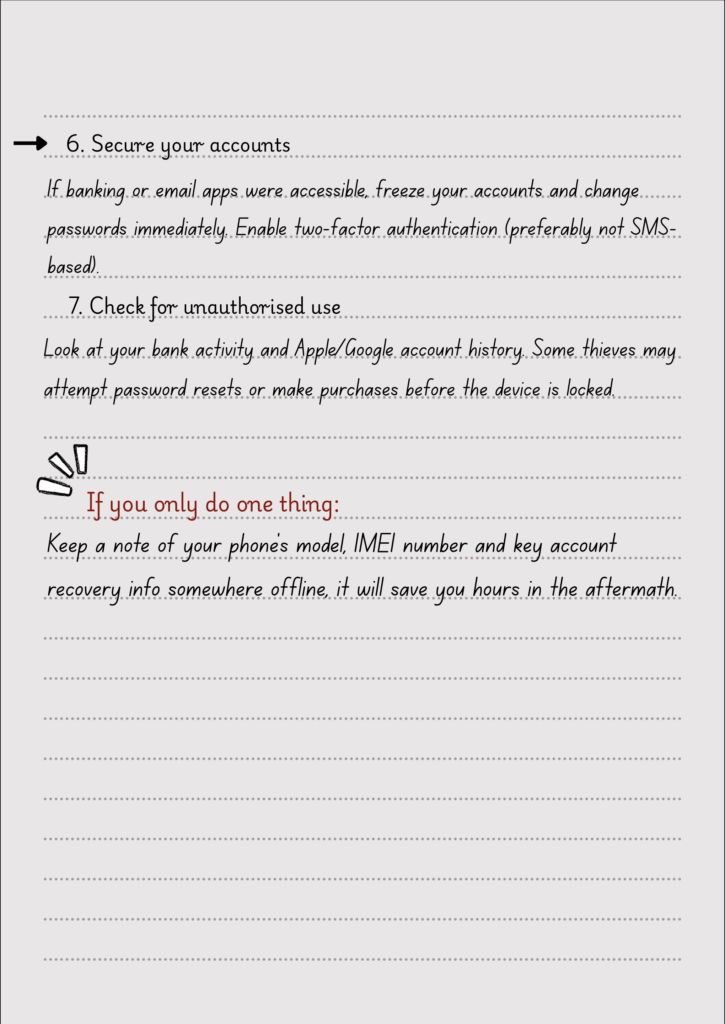
I had insurance, too. But unlike Jed, I hadn’t backed anything up to the iCloud. While he restored everything in a few taps, I was starting from scratch. Contacts. Photos. Notes. Work files. Gone.
I replaced the phone, of course – I had to. But now I treat it differently. I back everything up. I double-lock my apps. I hesitate before taking it out on the street. I’m more careful now, but also more anxious.
And that’s the uncomfortable truth: Our phones aren’t just tools anymore. They’re extensions of our safety, our social lives, even our self-worth (thanks, Instagram). Losing one doesn’t just inconvenience you – it destabilises you.
I flinch at the sound of e-scooters and bikes, and I look over my shoulder every time I hear one. I keep my phone hidden in public. I’m suspicious of everyone and everything. Crowds feel less like a community and more like camouflage for threats. I’ve mastered the art of the sideways glance, the instinctive clutch of my bag when someone walks too close. My phone stays buried in an inner pocket now, never casually in hand, never tempting fate twice.