The silent and walking London book clubs introducing lonely young people to books and friends
Every Friday at 7pm, Andrew logs onto his computer and, in the company of 10 to 15 relative strangers, settles into an hour of uninterrupted reading of one of the four or five books he has on the go at all times.
This week, it’s Stephen King’s Black House. In this silent book club, people meet up online and spend one hour reading, with their microphones muted… in absolute silence. They talk about their book before and after the allotted silent time – but for 60 minutes, they read their personal books, alone, simultaneously.
The London Silent Book Club is part of an international collection of Silent Book Clubs with offshoots in over 55 countries. Readers meet up either in person or on Kumospace – a video conferencing platform – and introduce themselves and the books they’re reading. There are a few more London Silent Book Club groups that meet in person but less frequently at Kings Place.
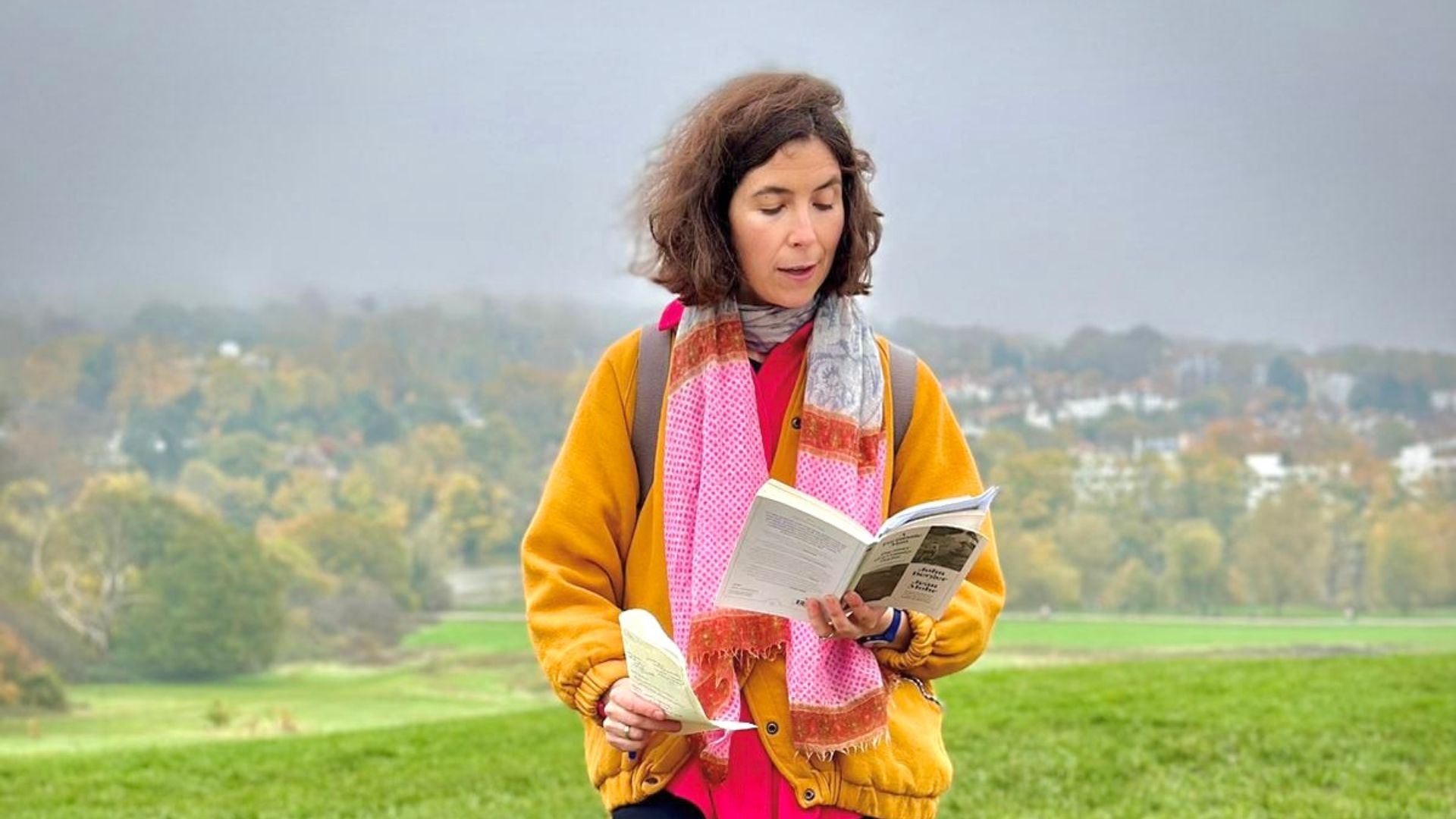
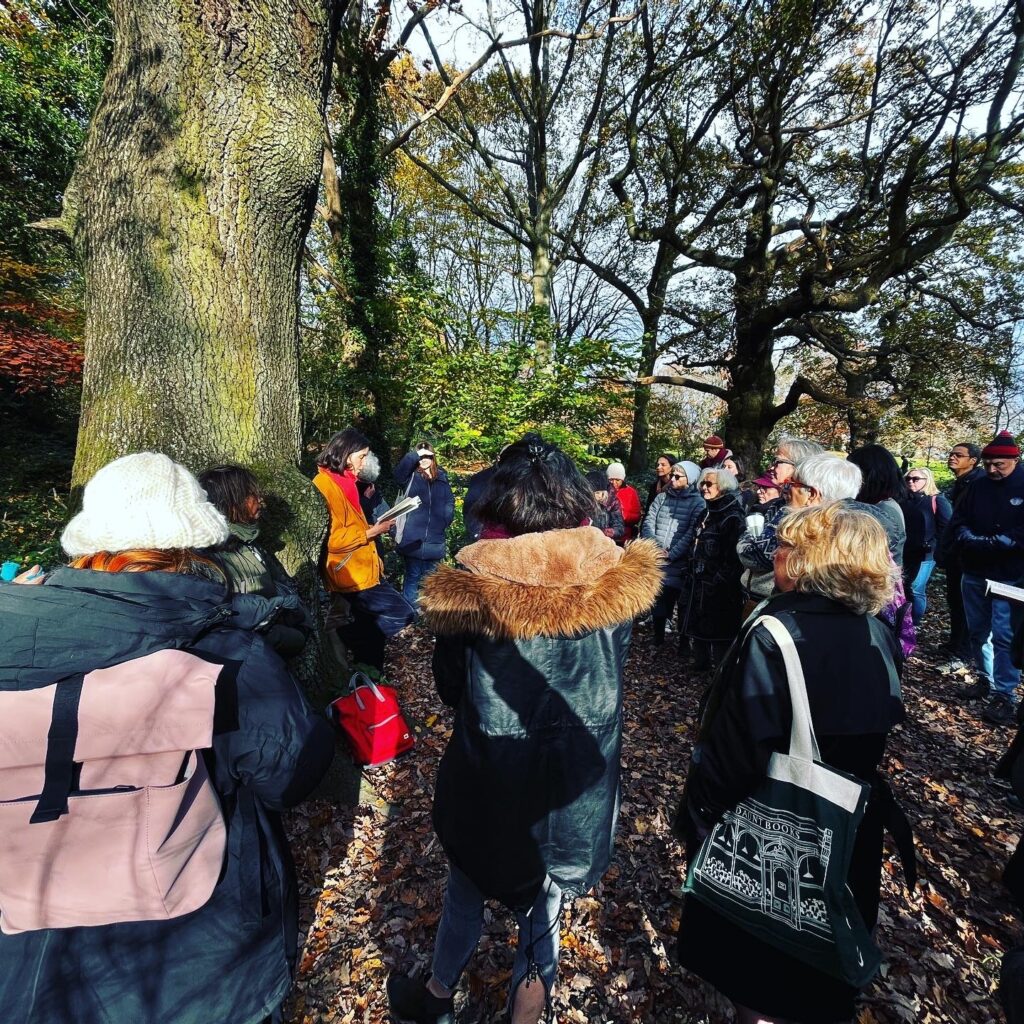
Meanwhile, across the city, dozens of Londoners stride across Hampstead Heath discussing Emily Rhodes’ pick that month. Emily, the organiser of Emily’s Walking Book Club, which started in 2012 as an extension of her work as a bookseller at Daunt Books, wanted to combine walking with her and her customers’ mutual love of books.“Maybe we could have a book club,” she thought, “but instead of sitting inside, the landscape could somehow inform our discussions.” Since then, once a month, a friendly, bookish group around 75 to 100 people of all ages meet up in Regent Park and Hampstead Heath for a walk and talk about the literary pick. In sunny May, about 35 arrived at the Heath to discuss Jhumpa Lahiri’s Whereabouts.
These clubs are part of a larger and well-established trend. Summer 2024 was ‘book girl summer’, a time when books became a gen Z accessory. The fad rode on the coattails of the popularity of reading content creators on BookTok and BookTube (reading content on TikTok and YouTube) and celebrity it-girl book clubs like Kaia Gerber’s and Dua Lipa’s.
Given the widely reported on global loneliness epidemic, the rise of book clubs could become an antidote. In May, a study by The Queen’s Reading Room, Queen Camilla’s charity promoting reading, found that reading for five minutes can reduce stress by 20 per cent, and that reading fiction can significantly reduce feelings of loneliness.
The National Literacy Trust’s research on reading and empathy also found that one in five people read to feel connected with the world, one in 10 read because it helps them spend time with others and one in three said reading helps them understand the views of others. Reading, in reducing stress and encouraging connection and empathy, provides young people with an opportunity for community building and self-fulfilment.
In their first meeting this June, the London Silent Book Club held a delightful post-reading rundown. The meeting chat pinged every few minutes with links to recommendations and book launches; one member’s cat even made an appearance. “Cats and books,” joked Beena, the club’s co-organiser, “cats and books.” Beena joined the club after her first cat died, and she had her first Christmas alone in lockdown. She struggled with the loss greatly.
Each member has a unique story about why they started attending. “I was very ill at the time,” Andrew says, “and started reading more and saw the book club online. I tried for many years to read at home on my own and it never worked; I don’t remember one single day that I was able to. I always had other thoughts in my mind.”
“The books are sort of a common ground. It’s very hard to make small talk with strangers, but this is big talk.”
The book club motivated Andrew, who studied literature. From reading 25 books a year before joining, he now reads up to 45. “Getting to know the people there and managing to read more and socialise more helped me in my personal journey”, he says. “Generally,” Andrew smiles, “the talking lasts longer than the reading.”
Naomi, in her twenties, loves that the Silent Book Club guarantees an hour of reading a week – not a given in a world of infinite doom scrolling and diminishing attention spans. Research suggests that the more time spent online, the more removed from any kind of community bond. According to Sprout Social young people between the ages of 18 and 24 spend the most time online of any age group, averaging six hours, followed by those 25 to 34 with almost five hours.
The infamous loneliness epidemic, now a consistent cultural talking point, seems to have contributed to the rise of book clubs. The Office for National Statistics reported in January 2025 that four in 10 young adults report feeling lonely at least “some of the time.” Both the Silent Book Club and Emily’s Walking Book Club are at least partially reliant on the socialising opportunity they provide.
Becky, screen name ‘Becky Bear’, a sci-fi reader in her late twenties, confided in the Silent Book Club, with her slight Southern American twang, that she’s a very introverted person. “So this is like my social hour,” she says.
Ali, currently reading a book of Beatnik poetry, also emphasised the social side of the reading group. “I think we’re going through a loneliness epidemic… for me, I’m consumed by loneliness, I don’t mind sharing it, I’m an open book. It’s just somewhere to be regularly,” he says.
Andrew took advantage of the moment. “For the first few years of my hosting, it was always different faces… This is the first time I’ve seen so many people coming regularly for so long… I’d like to thank you all for that.” Every single member thanked him as well. This is much more than a book club.
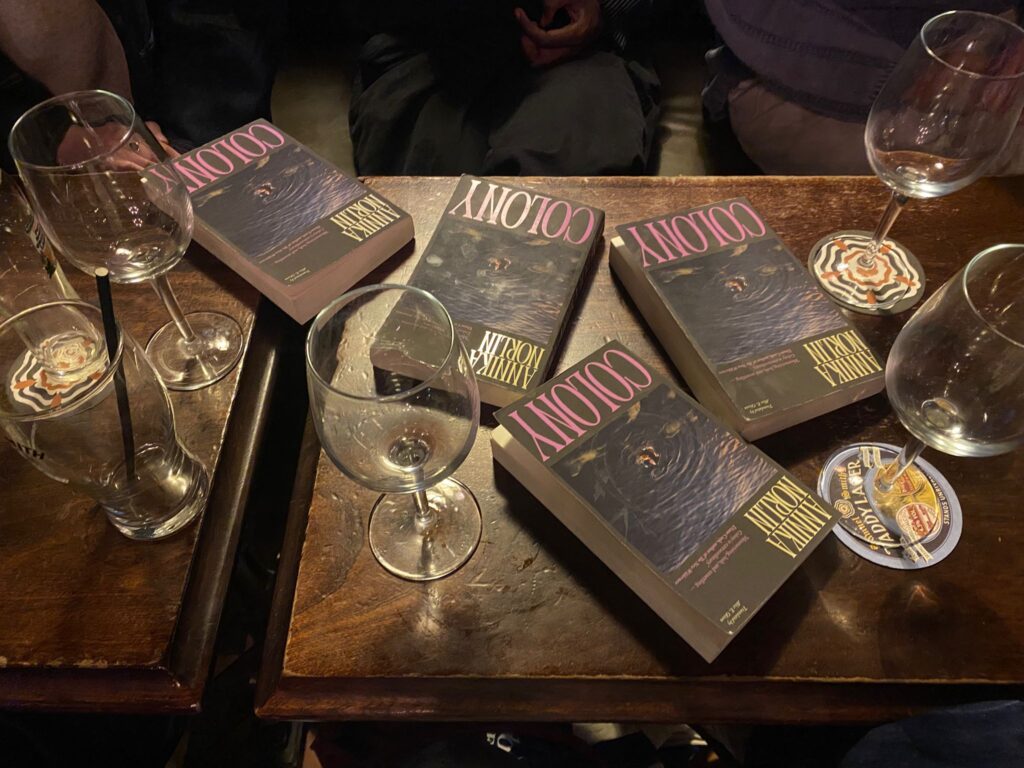
Members of the ‘Bookworms’ book club, all aged between 25 and 30, praised the experience for introducing a non-academic, non-professional and non-romantic commitment to their lives, while discussing Annika Norlin’s Colony. One member says, “I read the book differently knowing [they] were going to discuss it”.
There is a social side to this book club as well as the others. “As you grow up people kind of silo off and you never get to combine groups,” Cami, 30, says. “But with the book club, it’s not about meshing groups; it happens naturally. You don’t have to make small talk, because there’s always going to be something to talk about. You can just cut to the good stuff.”
On the Heath in May, members of Emily’s Walking Book Club chatted away, some bravely introducing themselves and others demurely finding their old acquaintances, until a hush fell as Emily began the meeting.
Reading from her notes, which she always prepares in advance, Emily welcomed old and new faces from diverse backgrounds, with readers ranging from their mid-twenties to their mid-seventies. At regular intervals throughout the walk, these groups reshuffle, ensuring maximum social mixing.
These group changes also allowed for a better interchange of ideas. In one group, a 23-year-old young woman, who had studied Jhumpa Lahiri’s writing at university, spoke about how different Whereabouts was to her other writing. In my next group, a man in his sixties who had come with his wife compared the book to Middlemarch. Something for everyone.
Emily often hears visitors say that the book club is the first thing they do when they move to London. People make friends and move on to other things. “One German lady met this New Yorker and then they went off on holiday together,” Emily says.
But why a walking book club, not simply a walking club or a social club? “The books are sort of a common ground,” Emily explains, “it’s very hard to make small talk with strangers, but this is big talk.”
*Upcoming dates for Emily’s Walking Book Club can be found on Substack and the London Silent Book Club organise meetings on MeetUp.