
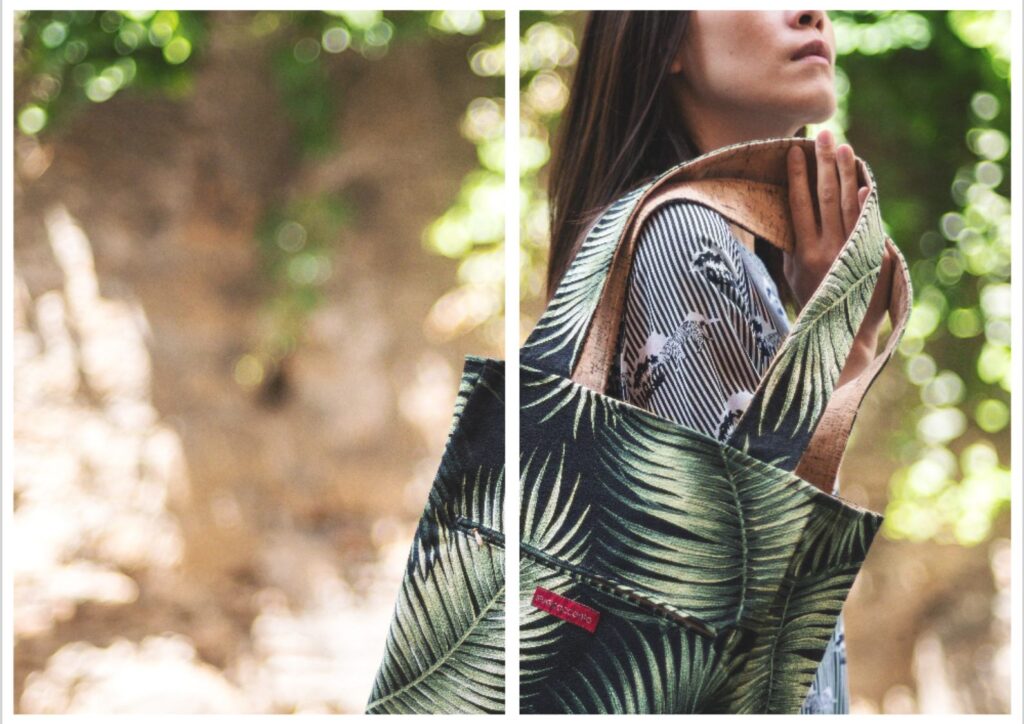
Fashion designer, Sarra Brill, grew up in New York and currently lives in her hometown, Rome where she started her design project in 2016 called Studioaccanto. Her design pieces are locally made in Italian tradition but are also paired with an international range of fabric traditions – from Hawaiian barkcloth, Japanese Kasuri prints, South African Shweshwe, Sardinian cork, American quilting cotton and many others. Brill shares the difficulties she encounters running her design project in the fashion industry.
Starting a design brand can be financially demanding, how did you face these challenges?
Initially, I dove into the venture without understanding the need for structure and financial planning. Balancing work while navigating the prototype phase took several years. Selling off samples, supported by local feedback and supportive friends, sustained the business. Now, transitioning to a medium/high-price wholesale market poses new challenges, especially considering the balance between creating beautiful products and managing costs. Years into this project, I am still figuring out how to make the financial model as successful as it can be, emphasising global traditions merged with Italian craftsmanship, as sourcing materials globally can be expensive, however, it is what differentiates my products from others.
What challenges have you faced regarding production and sourcing materials for your designs?
My journey in design and fashion started with a steep learning curve, considering my limited background in the field. I had to familiarise myself with materials, machinery, and the potential each offered, often through trial and error. As I had recently moved to Italy from New York at the start of my project, language was a barrier and it was necessary to learn the Italian vocabulary related to the field, a process I found challenging yet essential. Extensive research on the Internet guided me to the discovery of many things that were essentially new to me.
Additionally, ecological considerations became a significant factor for my brand. While some shipping is unavoidable, I intend to reduce my carbon footprint. Sourcing locally has become a priority for me. Italy’s rich handmade craftsmanship offers a silver lining and knowing that skilled artisans are available eases that aspect of the process. Adapting my sourcing modality remains an ongoing challenge, but one I’m committed to addressing for a more sustainable future.
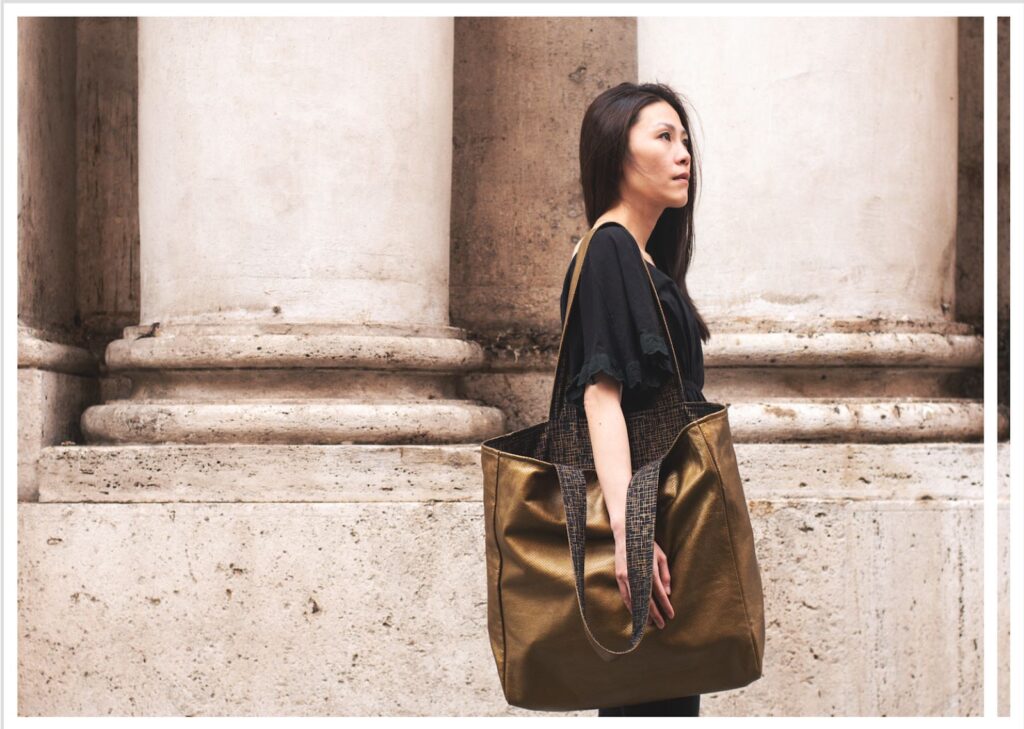
Did the COVID-19 pandemic impact the progression of your design project, and how did you navigate through the challenges?
It presented a massive professional setback for many. Surprisingly, these challenging times turned into a period of substantial growth for me and my design project. Fortunately, my specific customer base didn’t suffer as much, allowing me to maintain a steady course. Navigating through uncertainties was undoubtedly tough, but being a small business had its advantages – I could adapt by scaling back on certain aspects and making necessary adjustments to keep the business afloat.
Staying local became a priority, and I redirected my efforts towards the decor side of my business, experimenting and growing in that domain. With the freedom to adapt quickly, I concentrated my energy where I saw potential. This led me to explore opportunities in New York, contemplating participation in trade shows to expand my reach. While setbacks are inevitable, I can confidently say that I managed to find a positive trajectory for my business.
Can you give any suggestions for those who aspire to start their fashion design project?
I believe it is crucial to learn about what’s around you and available to you but be mindful not to let it overshadow your creativity. You should be able to strike a balance to make sure that your design project reflects your distinct creative voice. Let your creativity run wild, but also practise reining it in as it will help you discover how to create something beautiful while staying grounded in the practical aspects of your design project.