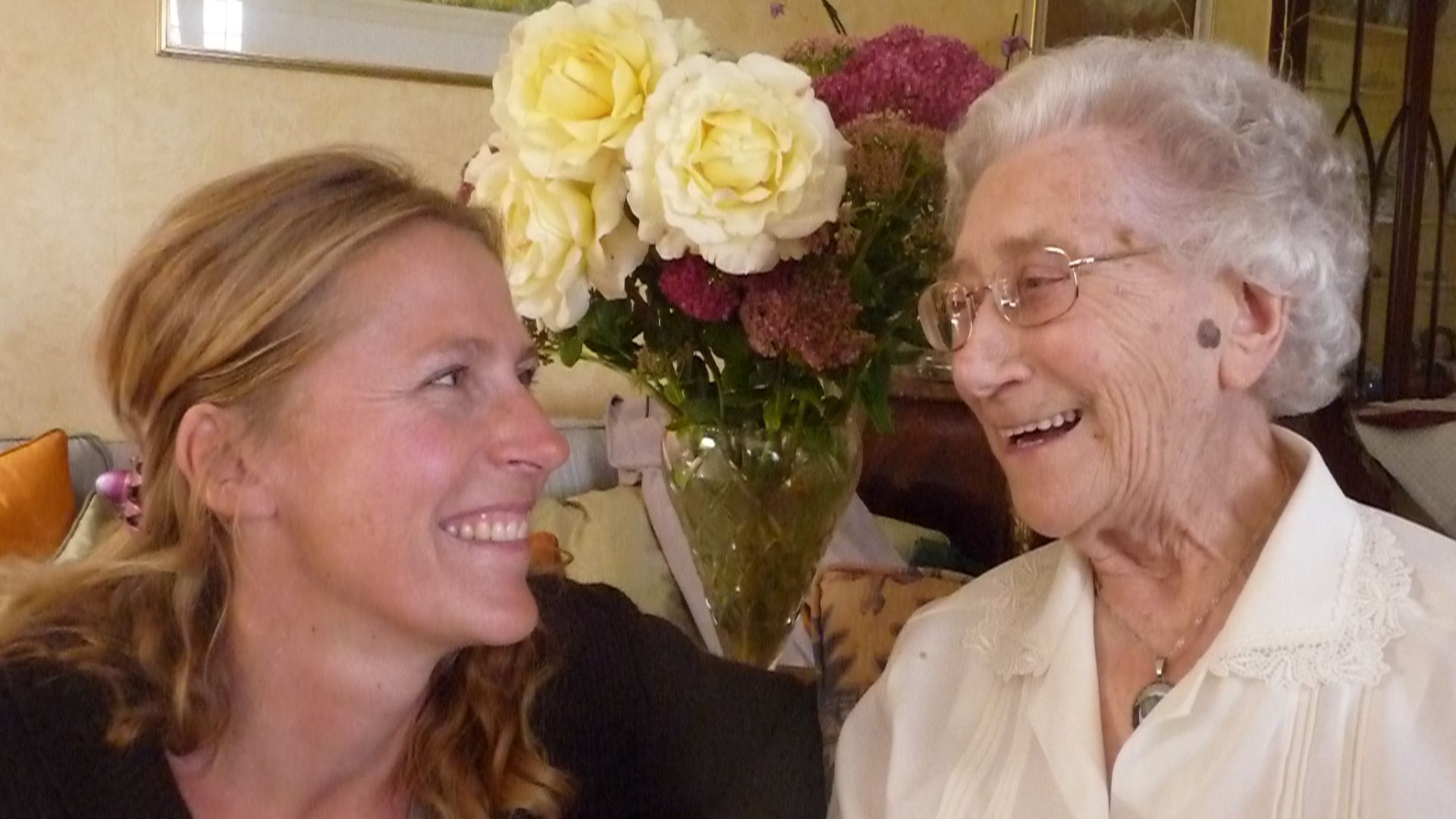
A new report argues that the UK is facing a stark level of age segregation – in how we live both online and in the real world. Its authors argue we need a new approach to connection, cohesion and care
The growing generational divide in the UK has led to declining trust among neighbours, weakened social ties, huge financial strains on young people and a growing sense of isolation and loneliness on both sides of the age scale, according to a new report.
The report, Divided Kingdom, published last month by Intergenerational England, found that the UK is experiencing a stark level of age segregation, both in how we live and how we interact online.
A “deepening divide fuels mistrust between generations and means we risk losing the well-evidenced benefits of intergenerational connection,” Bobby Duffy, Professor at King’s College London and Director of the university’s Policy Institute, says in the report. “Now is the time to act for our health, communities and shared future.”
“When we fail to integrate values and insights from younger generations, we risk stagnation. Wisdom does not only flow from the top down. The iconic “Okay, Boomer” meme served as a warning that cultural deafness leads to disconnection.”
Deborah Heiser PhD, TEDx speaker and CEO/Founder of The Mentor Project, told Maslow: “When we fail to integrate values and insights from younger generations, we risk stagnation. Wisdom does not only flow from the top down. The iconic ‘Okay, Boomer’ meme served as a warning that cultural deafness leads to disconnection.”
The Divided Kingdom report claims that young people in the UK are facing a wellbeing crisis, compounded by structural issues such as digital overwhelm and a cost-of-living crisis that disproportionately affects younger generations.
The report claims that one in five children and young people aged eight to 25 in England have a probable mental health disorder, with rising levels of anxiety, depression, and disengagement from school and community life.
Loneliness is increasingly a generational issue, not just a matter of lacking social networks of our peers, the report claims. Loneliness increases the risk of early death by 26 per cent, and social isolation has the same health impact as smoking 15 cigarettes a day. Loneliness has also been shown to double the risk of developing Alzheimer’s disease.
Despite clear benefits, regular intergenerational interaction is limited in the UK. Only seven per cent of care home residents report regular interaction with anyone under age 30, according to Care England (2023). Just 17 per cent of UK adults regularly engage with people from a different generation in community spaces.
Home sharing: an affordable and bonding solution
Caroline Cooke, founder of Share and Care Homeshare, the largest and most experienced homeshare organisation in the UK, says, “We set it up because my dad was living with dementia, my mum had mobility issues, and I thought ‘God, wouldn’t it be wonderful if there could be something like au pairs for the elderly’ and realized there were versions of home shares around the world.”
The concept of home sharing – a homeowner with an affordable spare room to offer to a sharer who can offer around 10 to 15 hours a week of care and company – has been around since the 1980s and Share and Care was established in 2006. “The care may involve getting the shopping, cooking a few meals a week, changing light bulbs, carrying heavy things,” Caroline says.
Home shares rely on the concept of two parties helping each other though they consider much more than that; when matching people always take personalities into account. “We want to create a real connection between the two, classical music or a love for East Enders,” Caroline says.
“Living with a woman in her 80s has taught me such a lot about life, and inspired how I’d like to be and who I’d like to become when I’m in my 80s.“
Home shares address the huge cost and wellbeing issues facing young people. The Intergenerational England report found that economic challenges are compounding the sense of disconnection between generations. Renters spend around 40 per cent of their income on housing. These financial strains, the report claims, intensify the barriers between generations. While finding a way to cope with these financial pressures, in a homeshare, young people are giving something back as well.
“One of our sharers was an NHS nurse,” Caroline says, “at the end of three years she was able to put a deposit down on her own home which she never would have been able to do if she had been paying normal rent.”
One 30-year-old Share and Care user says: “living with a woman in her 80s has taught me such a lot about life, and inspired how I’d like to be and who I’d like to become when I’m in my 80s.”
Another user, 49, says, “Living with someone with dementia gave me a completely new insight. I’ve learned how to see the real person behind the dementia mask and above all I’ve learned immensely about myself. All in all, this experience gives me a sense of purpose which I am grateful for.”
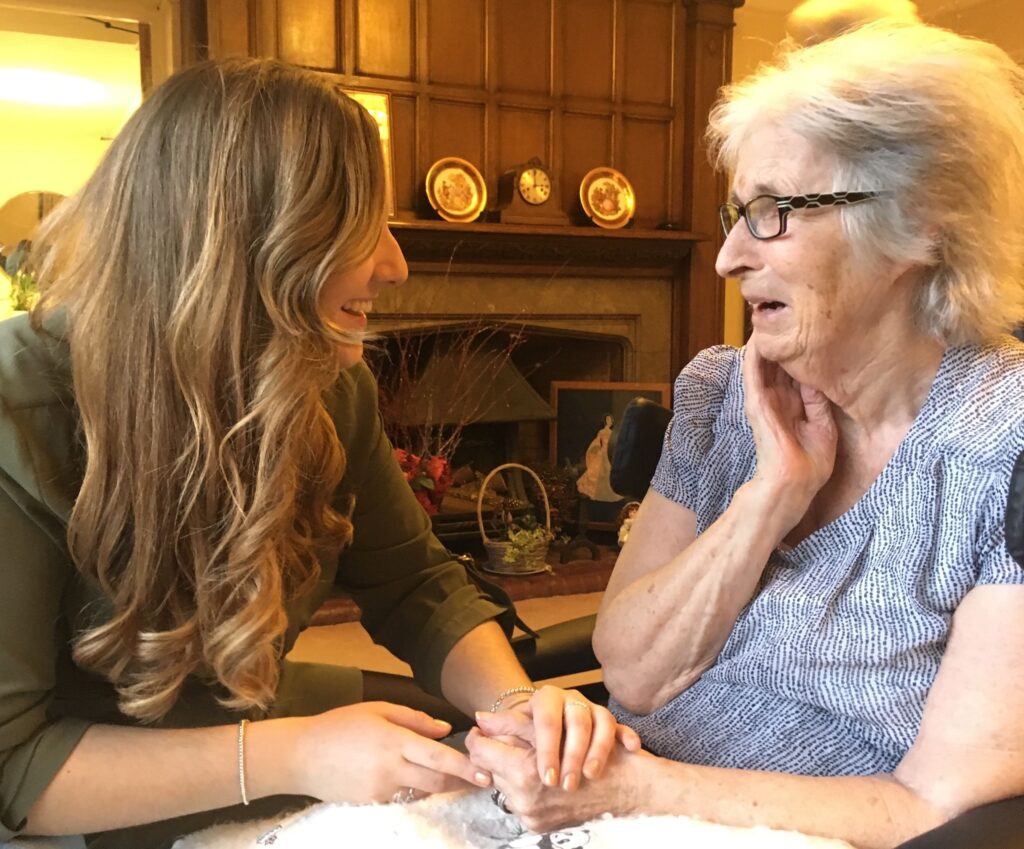
Caroline remembers one homeowner who was a retired professor with dementia. “He still wanted to have value, so Share and Care matched him with a mature PhD medical student in her late 20s. They shared for a year-and-a-half. While she was off at university he had a wonderful library, he’d go through his books and the news and at dinner they’d discuss what he’d read and he’d help her with her studies,” she says. “Another elderly lady would help her sharer with dating advice, they’d discuss whether to swipe left or right.”
Another homeowner helped her sharer learn how to propagate plants, Caroline says, “Even if it’s just learning a favorite recipe, some words of wisdom never go amiss,” she says. Home sharing is a daily chance to learn about the past instead of just living in the present. In fact, 96 per cent of sharers and owners reported improved quality of life.
Home shares, social mixing and day to day connections with people on the opposite side of the generational spectrum are good for our mental and physical health, our bank accounts and repair the harmful cultural tensions between generations.