Young Londoners are seeking temporary refuge from the hustle and bustle of city life, putting down their screens and getting their hands dirty at their local allotment
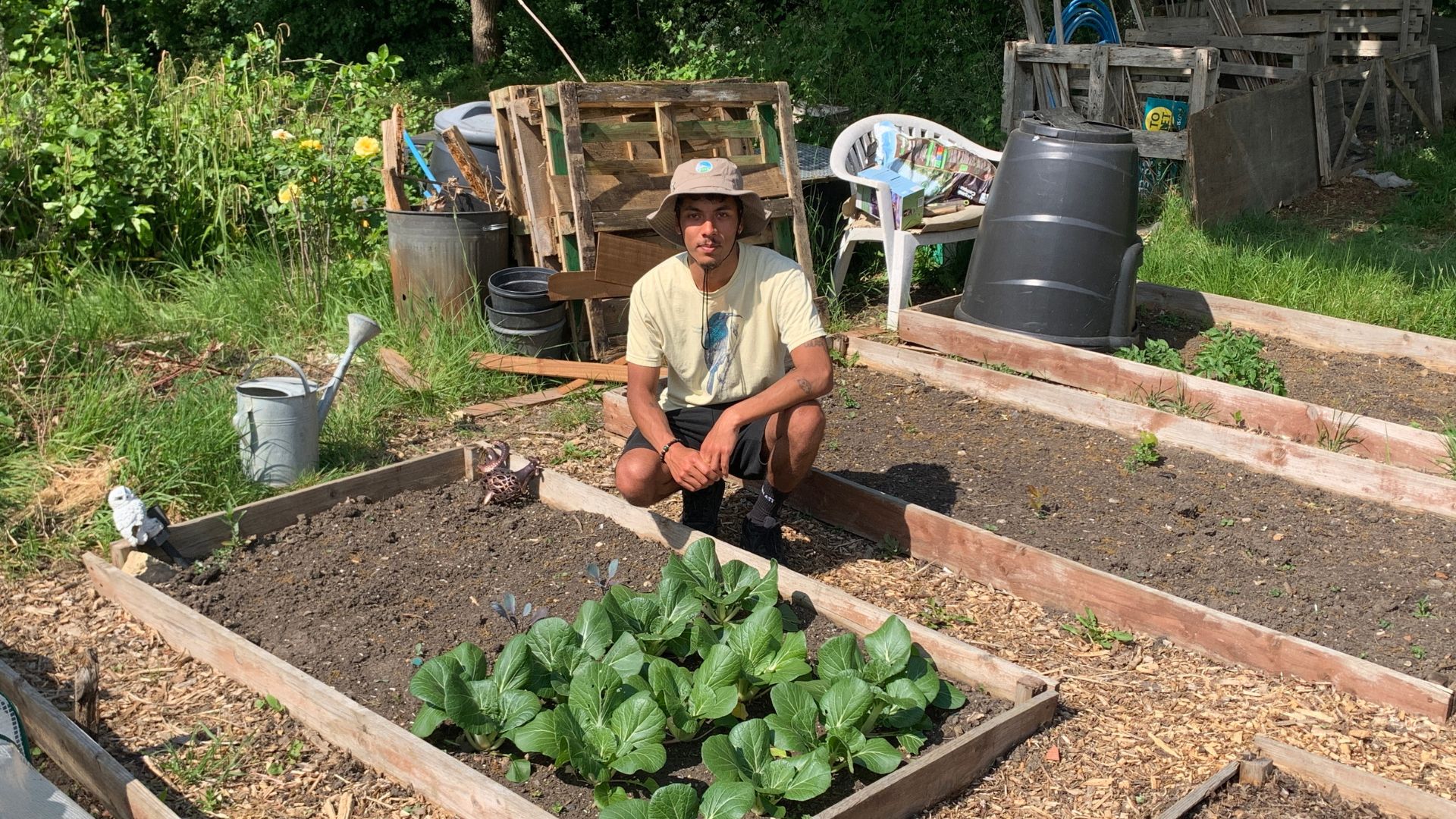
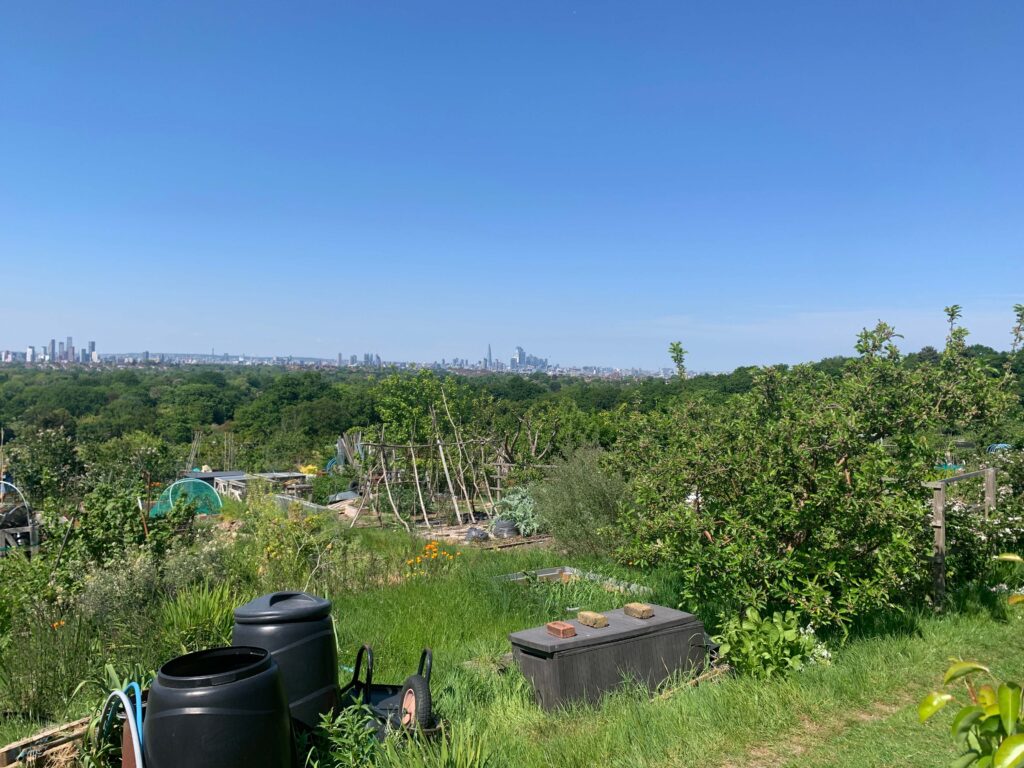
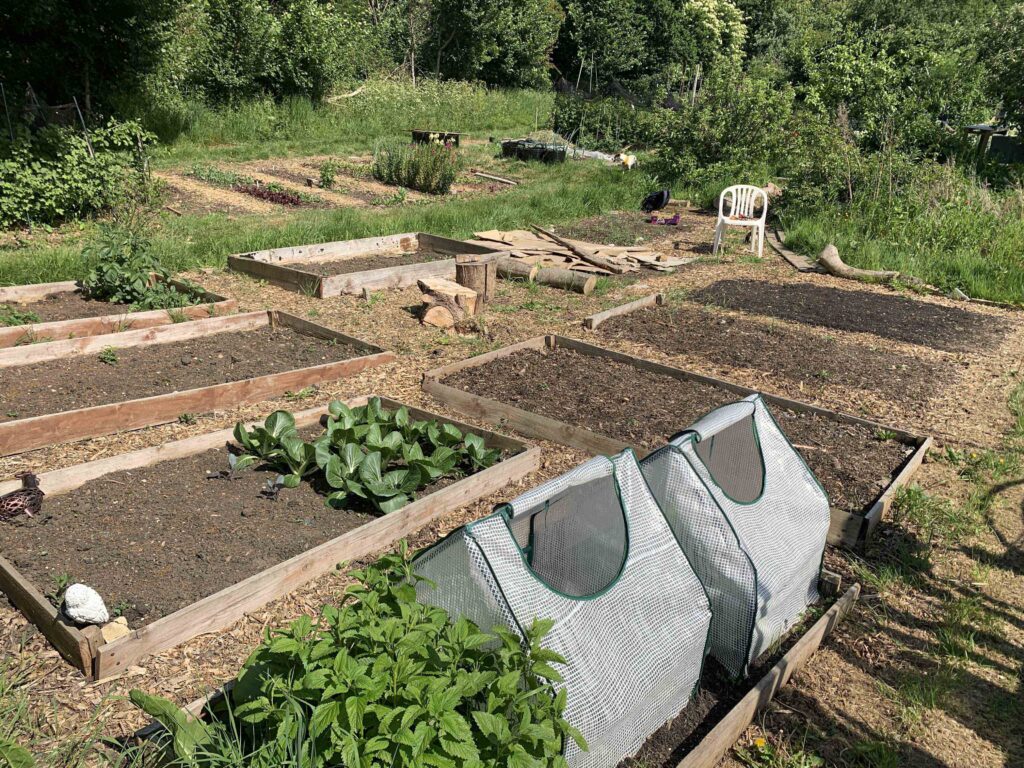
It’s a sweltering Sunday afternoon at Grange Lane Allotments in South London. Bees drift diligently between the flowering tulips, birds call from nearby trees and the smell of damp earth hangs perpetually in the air. At the centre of this quiet green sprawl, 24-year-old Akash Barua is crouched by neat lines of lettuce and courgettes, pinching off dead leaves and checking meticulously for any signs of blight.
“I’ve never had a garden or any real outdoor space of my own,” he says, standing up and brushing the soil from his palms. “So getting my own plot felt like the perfect way to stay connected to nature and start growing my own food.”
In bygone years, the allotment may have conjured images of retirees pottering around in bucket hats, trowel in hand, chatting amiably over picket fences: a pastime reserved for those unimpeded by the demands of busy urban life. Not anymore. Across London, there’s been a quiet boom in younger people signing up for plots, planting their own food and connecting with nature in a way that many find increasingly hard to come by in the capital.
Akash, an ecologist who secured his own plot in June last year, is part of a growing demographic rethinking their relationship with nature. “The allotment is a way to switch off and reset,” he says. “There’s something really calming about being here.”
His experience isn’t unusual. According to researchers at King’s College London studying the effects of outdoor contact on psychological wellbeing, “regular contact with nature and green spaces promotes better mental health”, with half an hour of quiet contemplation in these environments significantly lowering levels of the stress hormone cortisol.
Dr Eleanor Ratcliffe, a lecturer in Environmental Psychology at the University of Surrey, echoes this sentiment: “Accessible, high-quality green and blue spaces in cities provide opportunities for people to get away from everyday psychological stressors. We benefit not only from things we can see in nature – such as trees, plants, and flowers – but also things we can hear, smell, and touch.”
As many of you know, for a large proportion of young people in London the prospect of having a garden is increasingly out of reach. More than half of the capital’s under-40 population now rent from a private landlord, living in buildings where outdoor space is either not available or shared with a number of other tenants.
“The allotment is a way to switch off and reset, there’s something really calming about being here.”
Even when properties do include gardens, many are often restricted by landlords from making meaningful use of the space. For young people like Akash, the rarity of sufficient garden space and an innate desire to maintain a connection with nature have propelled his allotment journey.
Laura Orsini, site manager of Grange Lane, says she’s noticed a distinct demographic shift in recent years. “There’s been a definite uptick in younger plot holders,” she notes. “When I first started here, there weren’t many women around and it was mostly older men, so it’s really great now to see an even wider mix of people getting involved”.
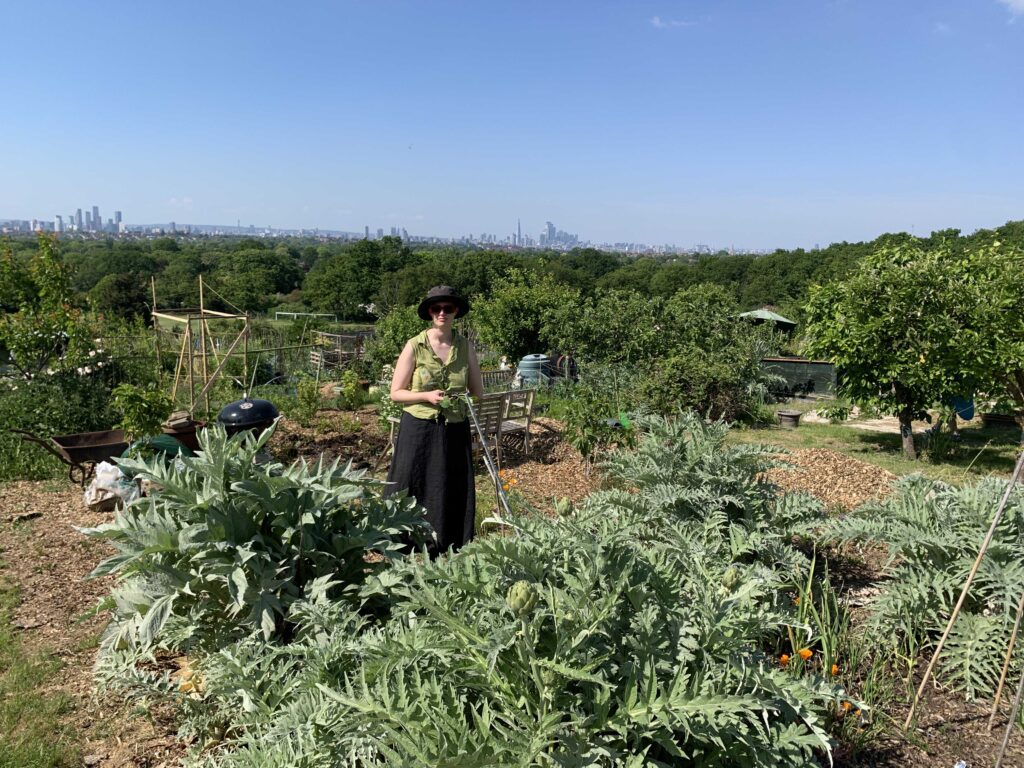
One such fresh face is Catherine Jones, 36, who has been cultivating her own patch of land here for seven years, initially sharing with her brother but now going it alone. For her, the space became vital during the isolation of the Covid-19 pandemic. “It was a lifeline during lockdown,” she recalls. “Having somewhere to go outside instead of being cooped up inside was essential.”
Catherine now works a hybrid four-day week, which gives her more time on the plot each Friday. “It’s become non-negotiable for my wellbeing,” she says. “There’s a sense of delayed gratification with cultivating your own crops. The asparagus I just planted will take two years to grow, but the end result will be all worth it.”
Though gardening is often thought of as a solitary pursuit, many young plot holders speak fondly of the community they find with their neighbouring growers. “There’s a lot of knowledge sharing,” says Akash. “People have helped me with advice, seeds and sometimes spare plants.” This, he tells me, is despite the customary disagreements amongst the pensioner population over plot boundaries and maintenance.
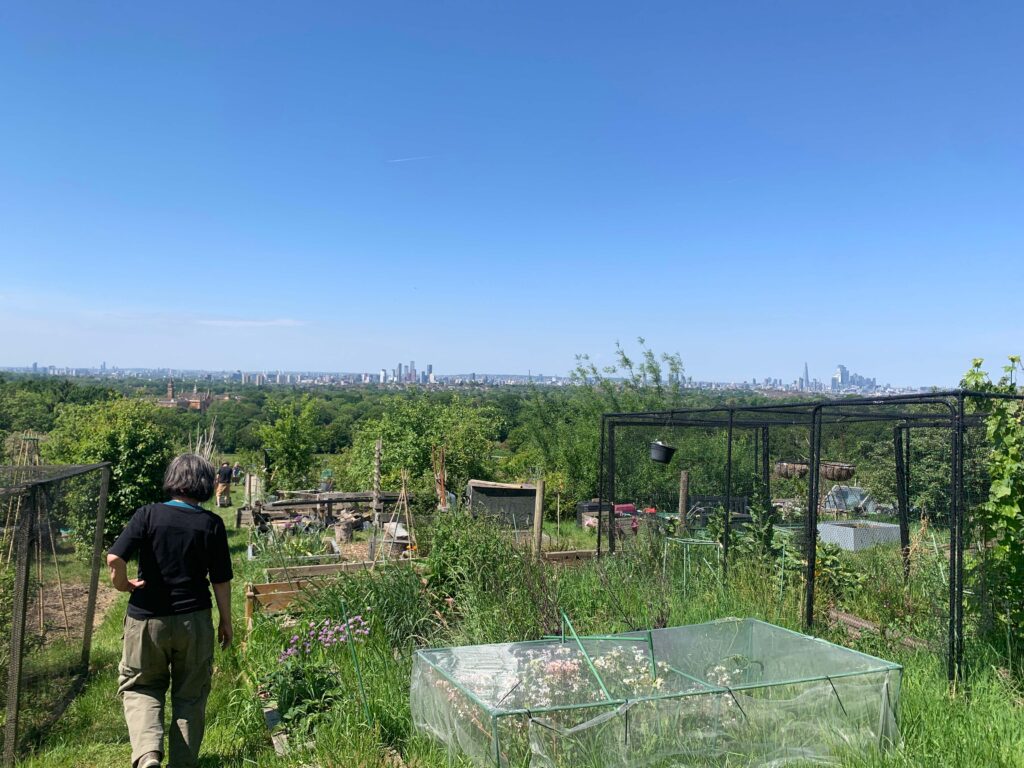
For young Londoners curious about taking the plunge, there remain practical considerations. Most borough councils operate a waiting list system for allotment plots and demand far outstrips supply–the average wait time in London is almost six years! Akash was one of the lucky ones: “I was only on the waiting list for two years before I got my plot last summer.”
Once on site, costs are relatively low. Plot rental varies but usually hovers around £50 to £100 a year, depending on size. Tools and plants can be sourced second-hand or from on-site shops.
Newcomers are advised to start small and be patient. “It’s easy to get overexcited,” Catherine laughs. “But your back will thank you if you don’t try to do everything in one weekend.” She recommends starting with low-maintenance crops like lettuce, herbs and courgettes, which yield quickly and help to boost confidence.
Another of Grange Lane’s young patrons, Tiger Cook, 25, has found a way around the waiting list issue. Tiger works as an assistant to an elderly plot holder, initially agreeing to give an hour of his time each week in exchange for a quarter of the plot. When the owner’s health began to decline, though, Tiger stepped up to take greater responsibility.
He now shares with a ‘plot partner’ who, he admits, is the real brains of the operation. Like Akash and Catherine, it’s the tranquility of allotment gardening that keeps him hooked. “I like the solitude of being up there,” he says. “Just being able to listen to something and work on the plot. It’s quite peaceful.”
Tiger has also found a way to offset some of the financial concerns that might deter other young Londoners. “Sometimes I’ll get paid if I’m spending a lot of time or doing a lot of work for someone,” he says. This informal system helps cover some of the opportunity costs while still allowing him to benefit from the space.
He is not interested in securing his own plot, however, seeing it as too much of a commitment. Assisting others, Tiger says, gives him the same benefits without forcing him away from the slew of work and social obligations that seem to characterise contemporary London life.
The resurgence of the humble allotment amongst London’s younger generations serves as a reminder of our inherent attraction to the natural world. Whether its community, a psychological lift or a healthier diet, there’s something for everyone in the capital’s thousands of allotments.